

Experimental AI-Designed Drug Appears To Reverse Biological Age by up to Six Years in Small Human Trial
Experimental drug Rentosertib, designed with AI, shows promise in reducing biological age markers in IPF patients
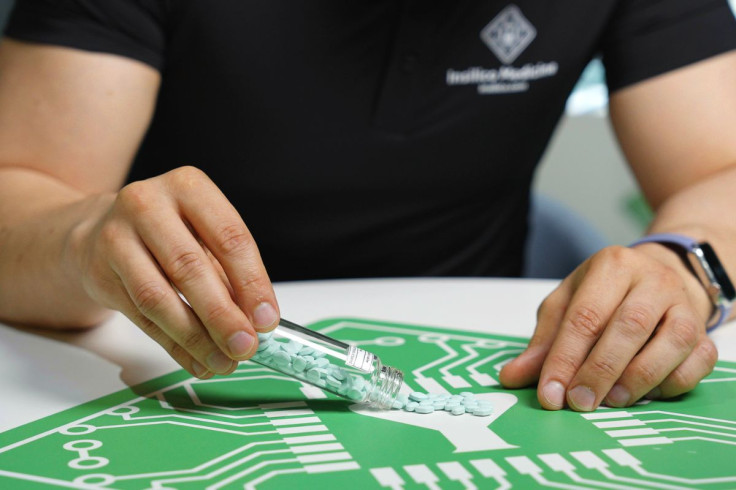
In a significant development, an experimental drug designed with artificial intelligence appeared to reverse biological-age markers by as much as six years in a small human study, offering an early glimpse of how medicines developed for disease could potentially target ageing as well.
The drug, called rentosertib, was developed by Insilico Medicine to treat idiopathic pulmonary fibrosis (IPF), an incurable disease that causes progressive scarring of the lungs.
But a new analysis of blood samples from 42 patients found another intriguing signal: all six protein-based 'ageing clocks' detected reductions in predicted biological age among patients receiving rentosertib compared with placebo. The findings were published in Nature Biotechnology on 7 September.
Biological Age Drops by up to Six Years
Biological age differs from the number of years someone has been alive. Instead, researchers use molecular signs in the body to estimate how closely a person's cells and tissues resemble those typically seen at different ages.
In this study, six independently developed proteomic ageing clocks analysed changes in thousands of blood proteins.
The strongest signal appeared after four weeks among patients receiving 30mg of rentosertib twice daily. Most clocks suggested a reduction of roughly three to four years, while one estimated an improvement of about six years. Patients receiving placebo showed little change or slight increases over the 12-week study.
The ageing-clock signal was less pronounced by week 12, although researchers found that many of the underlying protein changes persisted through the end of the trial. The findings remain exploratory.
Study Does Not Prove People Became Younger
The results do not mean patients literally reversed six years of ageing or will necessarily live longer. The analysis involved only 42 people, all with IPF, with an average age of about 67.
Researchers also acknowledged that the protein-based clocks cannot completely separate changes caused by improved lung disease from changes in ageing itself.
Alex Zhavoronkov, founder and co-chief executive of Insilico Medicine, said the findings were encouraging but cautioned that larger studies would be needed to determine any long-term health effects. That distinction matters because no drug is currently approved specifically to reverse human ageing.
AI Helped Find Target and Design Drug
Rentosertib is unusual because AI played a role at both ends of its discovery. Insilico first used its artificial-intelligence platform to identify TNIK, a protein associated with fibrosis and several biological hallmarks of ageing. It then used its generative chemistry system to design and optimise molecules that target it.
The company says the process from identifying the target to selecting a preclinical drug candidate took about 18 months.
The original Phase IIa trial enrolled 71 people with IPF across multiple sites in China. The 42-patient ageing analysis used blood samples from participants who agreed to additional protein testing.
Rentosertib has since advanced further as a lung-disease treatment, with Insilico announcing the start of a Phase III IPF trial in July.
For now, the apparent anti-ageing effect remains an intriguing signal rather than proof of a longevity drug. But the agreement across six different ageing clocks gives researchers a reason to investigate whether drugs designed to tackle age-related diseases might one day do something broader: slow some of the biological processes underlying ageing itself.
© Copyright IBTimes 2026. All rights reserved.