

Cosmetics Heir Andrew Luster's Prison Release Prompts Row Over Rape Classification
Luster's release following a sentence reduction and the application of prison credits has drawn criticism from survivors and local officials
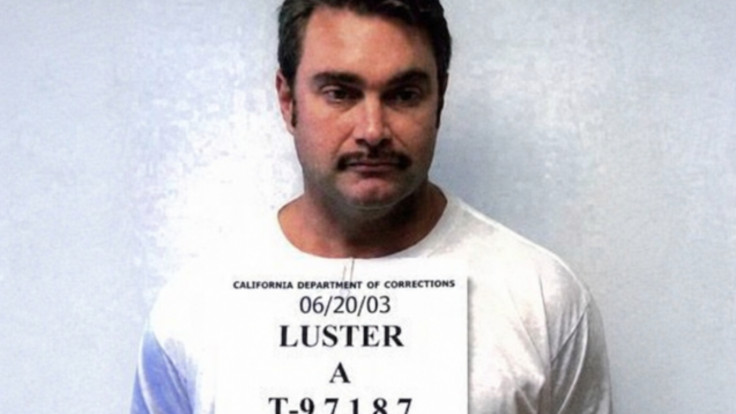
The prison release of Andrew Luster, the 62-year-old heir to the Max Factor cosmetics fortune, has drawn anger from survivors and public officials in California. He was convicted in 2003 for drugging and sexually assaulting three women, initially earning a sentence of 124 years in prison.
Luster successfully challenged his sentence through a habeas corpus petition. In 2013, a Ventura County Superior Court judge vacated the original 124-year sentence and resentenced him to 50 years, while his convictions remained in place.
The release has also triggered criticism of the legal classification of sexual offences involving incapacitated victims.
How Sentence Reductions and Prison Credits Affected His Release
He was convicted in 2003 on 86 felony counts, including poisoning, rape, sodomy and oral copulation involving unconscious victims.
The controversy centres on California's statutory definition of a violent felony, which affects eligibility for certain parole and prison-credit provisions. Under Proposition 57, some people convicted of offences classified as nonviolent may qualify for expanded credit-earning opportunities or parole consideration, subject to the applicable rules.
Senate Bill 268 took effect on 1 January 2025, adding specified rapes involving intoxication deliberately induced by administering a controlled substance without consent and with intent to sexually assault the victim to California's list of violent felonies.
However, the California Department of Corrections and Rehabilitation (CDCR) said Luster was released on 11 October 2026 after completing his sentence under applicable credit rules. The department cited 977 days of presentence credit and his eligibility to earn credits while incarcerated.
Glendora Mayor David Fredendall blamed the state's sentencing and release framework, including Proposition 57, for allowing Luster to leave prison. CDCR maintained that his release was not an early release.
Victims' Objections and Community Outrage
All three victims opposed Luster's release at an August 2024 parole hearing, according to the Ventura County District Attorney's Office. A two-member panel initially approved his release, but the full Board of Parole Hearings reversed that decision in October 2024 after prosecutors challenged the ruling.
Fredendall added that the people of Glendora should not have to worry about their safety because of a decision by the state which allowed an individual with a history of rape and violence to live in proximity to schools and playgrounds.
In a statement issued ahead of Luster's scheduled parole hearing on 29 April 2025, Ventura County Senior Deputy District Attorney Anthony Wold described his crimes and the risk he believed Luster posed. He said that by drugging his victims into a comatose state, Andrew Luster played Russian roulette with the lives of the victims so he could abuse their bodies.
Fugitive History and Current Residential Controversy
The outrage is further magnified because of Luster's history of evading justice and his current integration into a residential neighbourhood.
Luster fled to Mexico during his 2003 trial after being released on $1 million bail. He was convicted in absentia and was later captured in Puerto Vallarta by bounty hunter Duane 'Dog' Chapman. After his recent release, Luster remains under parole supervision, according to CDCR.
Glendora officials are demanding answers from Sacramento about the circumstances of Luster's release and the conditions of his parole. Under the terms of his release, Luster is listed on California's Megan's Law website as a registered sex offender.
© Copyright IBTimes 2026. All rights reserved.