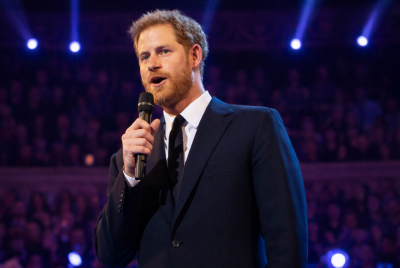
Andrew Mountbatten-Windsor Heartbreak: Why 'Disgraced' Royal Was Banned From Beloved Hobby
Andrew Mountbatten-Windsor's 'quiet life' shrinks further as an investigation and optics collide.
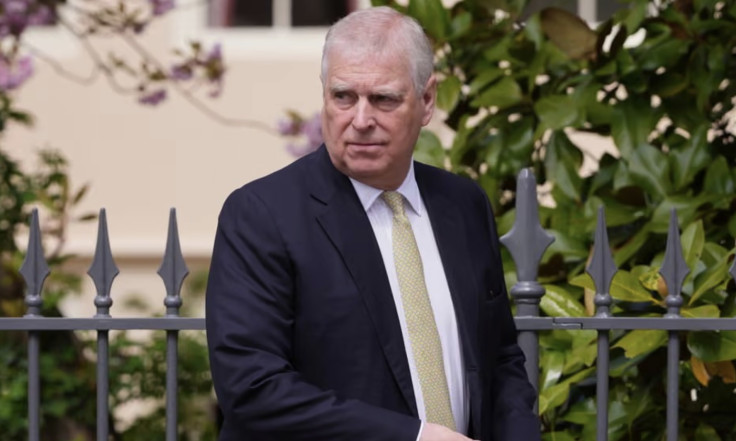
Andrew Mountbatten-Windsor, recently arrested and then released as investigations continue, has reportedly been advised to refrain from horse riding, as even a seemingly innocent outing could be perceived negatively by the public.
Here's the core issue the Royal Family aims to manage: Thames Valley Police reported that a 'man in his sixties from Norfolk' was arrested on 19 February 2026 on suspicion of misconduct in public office, with searches conducted in Berkshire and Norfolk. The police have not disclosed his name and have advised media caution while the case remains active. Andrew Mountbatten-Windsor has denied any wrongdoing, according to reports featuring the police statement.
Andrew Mountbatten-Windsor: Navigating Royal Life and Public Scrutiny
The modern British royals frequently lament intrusion, yet they rely on the performative nature of public duties: the wave, the walkabout, the staged normality. Remove that façade, and what's left is a harsher reality—an existence dictated by the necessity to avoid the cameras, where even leisure activities carry reputational risks.
Police efforts have focused on two locations with distinctive symbolism: Wood Farm on the Sandringham estate in Norfolk, where Andrew resides, and Royal Lodge near Windsor in Berkshire, his former residence. Thames Valley Police indicated that these searches in Berkshire and Norfolk are part of their ongoing investigation. They confirmed the completion of Berkshire searches, while inquiries remain active.
To clarify the UK legal context: being 'released under investigation' does not equate to a charge, exoneration, or resolution—it is a procedural status that allows detectives to continue gathering and examining evidence. The allegation being reviewed, as reported by police and briefings, suggests Andrew may have shared confidential information with Jeffrey Epstein during his tenure as a UK trade envoy.
Andrew Mountbatten-Windsor and Managing Public Image
The horse riding prohibition might appear trivial unless one considers the Royal Family's main asset: their public image. According to The Sun, cited by the Mirror and Express, a source indicated Andrew has been 'advised not to engage in horse riding' due to its 'perceived negative optics,' aiming to prevent him from being seen 'grinning and cheerful on horseback.'
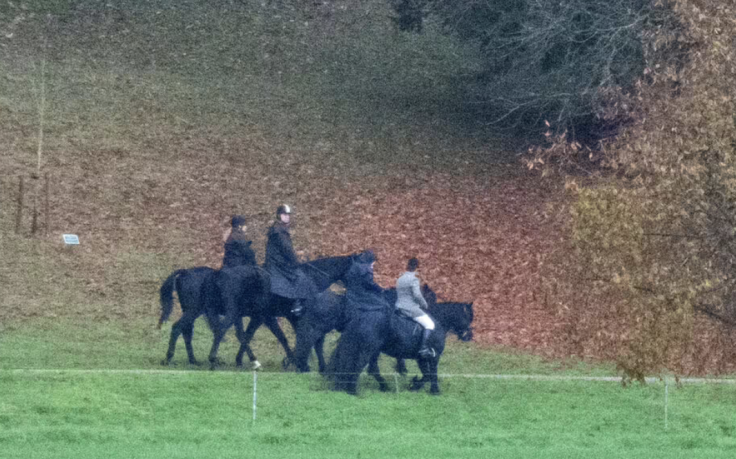
Andrew's freedom is not restricted by formal bail conditions, at least publicly known, but by the threat of unfavourable media coverage. It is not about justice—rather, it's about protecting the Royal brand, ensuring images do not overshadow the ongoing inquiries. In Andrew's instance, public perception has often been pivotal.
Legally, the accusation of misconduct in public office is notably British, tied to the misuse of power by public officials. Thames Valley Police have reiterated the importance of procedure—confirming the arrest, affirming the searches, withholding the suspect's identity 'per national guidelines,' and asking for cautious reporting to prevent prejudicing an active investigation.
Currently, the sole tangible fact is procedural: Thames Valley Police have stated that the arrested individual has been released under investigation, with searches in Berkshire and Norfolk still relevant. All other aspects, from the orchestrated royal life behind estate gates to the alleged horse-riding ban, reflect the monarchy's enduring instinct for control: if the narrative can't be controlled, then at least manage the imagery.
© Copyright IBTimes 2026. All rights reserved.
- MOST POPULAR IN Royals