

Florida Joins FTC in Dollar General Lawsuit Over Claims Shoppers Paid More Than Shelf Prices
The complaint alleges repeated differences between advertised and checkout prices, while Dollar General disputes the claims and says it has improved pricing processes
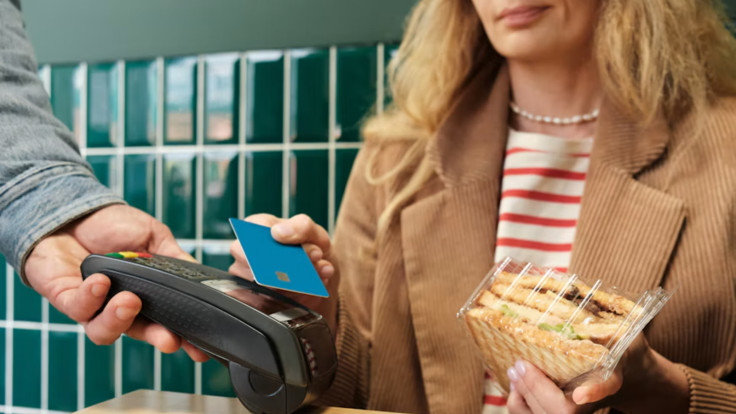
Florida has joined the Federal Trade Commission (FTC) and 19 other states in suing Dollar General over allegations that shoppers were charged more at checkout than advertised prices. Filed on 26 October 2026, the lawsuit alleges repeated pricing discrepancies harmed consumers buying everyday essentials.
Florida Attorney General James Uthmeier announced the state's participation in a video posted on X. The complaint was filed in the US District Court for the Middle District of Tennessee. The allegations have not been proven in court.
The FTC and the states allege that prices displayed on shelves, price tags and advertisements sometimes differed from the amounts charged at checkout. They claim the retailer failed to implement adequate safeguards despite repeated complaints.
What the Dollar General Lawsuit Alleges
According to the complaint, Dollar General received at least 29,265 complaints categorised as failures to honour marked prices between 1 January 2023 and 31 March 2026. The plaintiffs also cite previous state enforcement actions concerning pricing accuracy.
The complaint alleges that Dollar General entered into seven settlements with six state attorneys general and consumer protection agencies between 2019 and 2026, paying more than $6 million (£4.5 million) in penalties. It further alleges that company data and internal communications showed the problem was recurring.
The plaintiffs claim the practices violated federal and state consumer protection laws. They are seeking an injunction, monetary relief, civil penalties and other remedies. The court has yet to determine whether the company broke the law.
Dollar General disputed the allegations in a statement published on 26 October. The company said its goal was 100 per cent accuracy between shelf and register prices. It acknowledged that occasional discrepancies could occur and said employees were expected to resolve them for customers.
The retailer also said it had improved its pricing processes and co-operated with the investigation, providing more than 200,000 documents and 350 gigabytes of data. It criticised the FTC's approach to monetary penalties and said it would defend the case.
Why The Case Matters to Shoppers
Dollar General operates more than 21,000 stores across the United States and markets itself as a low-priced option for everyday goods. The FTC says many customers have low or fixed incomes and rely on accurate prices when purchasing household necessities.
The alleged discrepancies could make budgeting more difficult for shoppers seeking affordable groceries and other essentials. However, the lawsuit does not establish that every pricing mismatch was deliberate or unlawful.
The case will examine whether Dollar General took adequate steps to prevent recurring pricing errors. The company has disputed the allegations, and the court will assess the evidence before reaching a decision.
The plaintiffs are seeking consumer restitution and other monetary remedies. However, no refund amount or claims process has been confirmed. Shoppers should not assume compensation is guaranteed or that a claims process is currently available.
The lawsuit could clarify retailers' responsibilities when advertised prices differ from checkout charges. For now, the central issue is whether Dollar General adequately addressed the alleged discrepancies and complied with consumer protection laws.
The case remains pending, and its outcome will depend on the legal proceedings. Any compensation or additional requirements would depend on a court ruling or settlement.
© Copyright IBTimes 2026. All rights reserved.