

BBC Website Spent Nearly 17 Hours Serving Hackers' Code to Visitors in Optimizely Attack, Researchers Say
The script swapped crypto addresses and sought card data, and ASOS, Equifax UK, and TalkTalk sites carried it
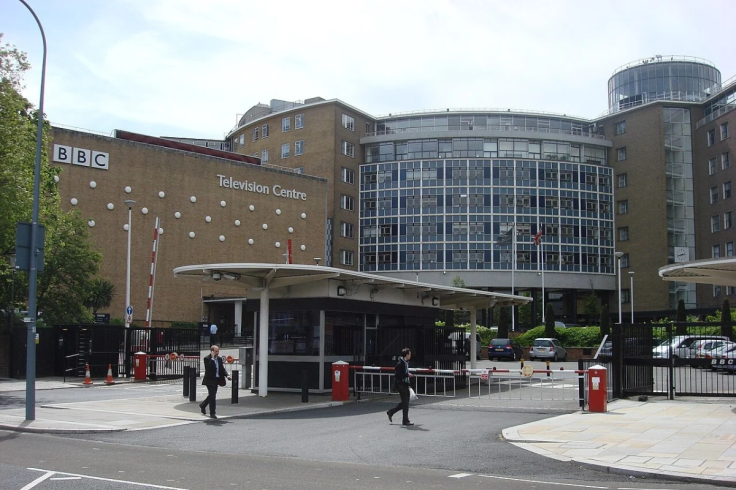
The BBC's website served hackers' code to visitors for nearly 17 hours on Monday 16 November, according to security firm Report URI. The firm first saw the code at 4:21am UK time, and the BBC's copy was clean by 9:07pm. The code arrived through Optimizely, a website-testing tool, and reached 178 organisations' sites.
The code swapped crypto wallet addresses and, from 1:43pm, targeted card details typed into some websites' own forms. It also tried to break into older iPhones and iPads. Report URI says attackers collected about $7,040 (about £5,300) in cryptocurrency. They altered the code at Optimizely, not on the BBC's servers.
How the Attack Worked
Optimizely gives each customer a small file of code, called a snippet, which their website loads from Optimizely's servers on every page. They added malicious code to the Project JavaScript field in affected customer projects. Because the code still came from Optimizely, which the sites already trusted, browsers ran it without warning. Optimizely confirmed that an unauthorised party exploited a flaw in its sign-up process, and says it has fixed it.
The address-swapping went beyond the page, Report URI says, and could change a wallet address copied to the clipboard while the tab stayed open. Card details typed into hosted payment boxes, such as Stripe's, stayed out of the script's reach. On devices running vulnerable versions of iOS, it loaded two hacking kits, Coruna and DarkSword. When it swapped an address near wallet or payment wording, it also sent script-accessible cookies and a screenshot of the page to the attackers. Report URI cannot tell how many card details reached the attackers.
The British Brands on the List
Report URI found the code in 188 of the 1,611 Optimizely files it checked, and says the real number is likely higher. Its list includes brands with large British audiences. They include ASOS, Equifax UK, Funding Circle, O2, Virgin Media, Admiral, interactive investor, and the BBC Earth and Top Gear sites. TalkTalk's website was the last still carrying the code at 9:52pm UK time, after most others had removed it.
This is a big one.
— Scott Helme (@Scott_Helme) November 16, 2026
We found malicious JavaScript being served through Optimizely to some of the world's largest websites.
178 organisations affected, with everything from crypto theft and card skimming to iOS exploits.
Zoom, BBC, CNN, HSBC, Salesforce, GitLab, KLM, IKEA,…
Report URI, which sells tools to spot this kind of attack, says it contacted Optimizely before publishing its research and had no reply. The attackers moved the stolen cryptocurrency onto exchanges, the firm says. Optimizely later confirmed the incident in a statement on X. Helme's post on X appears below. He told Newsweek the list identifies websites where the code was found, but does not establish how many visitors were exposed or whether their data was stolen.
What Visitors Should Do Now
Report URI advises visitors to an affected site on 16 November to install the latest iOS or iPadOS update for their device, check any crypto transfer made that day, and watch card statements. IBTimes UK found no public BBC statement by Wednesday.
Report URI still does not know how attackers reached so many Optimizely accounts. Helme warns website owners that 'trusted JavaScript doesn't always remain trustworthy.' The firm linked the attacker to an earlier wave, from 13 November, using three other website tools.
© Copyright IBTimes 2026. All rights reserved.