

New York Times Lawsuit Accuses Brave Browser of Scraping Paywalled Journalism for Major AI Companies
The complaint alleges Brave's crawler, Search API and paywall-blocking tools allowed access to copyrighted news content without publishers' permission or payment
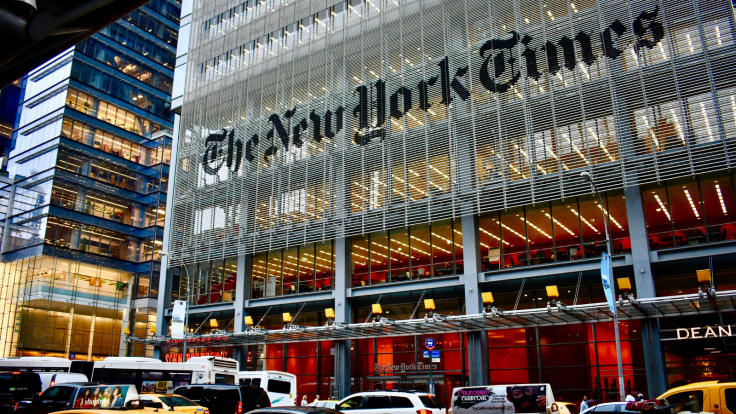
The New York Times has accused Brave Software, maker of the privacy-focused Brave browser, of scraping its paywalled journalism and providing access to it through services used by major artificial intelligence (AI) companies without permission or payment.
The complaint, filed on Monday in the US District Court for the Southern District of New York, names Anthropic, Perplexity, Mistral, xAI and Cohere among the AI companies that allegedly received access to Brave's services. None of the five is a defendant in the case. The allegations are the publisher's claims and have not been tested in court.
Separately, the New York Daily News, the Chicago Tribune and the Orlando Sentinel filed a similar lawsuit against Brave in the same Manhattan federal court on Monday, extending the dispute to regional publishers.
Brave did not immediately respond to a request for comment, and no formal statement from the company was available by Monday evening in New York.
How Brave's Web Crawling Came Under Scrutiny
According to the Times' complaint, Brave built an index of more than 30 billion webpages using a crawler that did not identify itself to publishers in the conventional way. The publisher alleges this made it difficult for website operators to identify and block the crawler.
The lawsuit alleges that Brave made the scraped material available to AI companies through its search index and related services, including its Search API. Customers could allegedly use the content to train AI models or to retrieve information when answering user queries. The Times argues that such uses could undermine its journalism and digital products.
Paywalls, Ads and Brave's Business Model
The complaint also targets Brave's Paywall blocker feature, which the publisher alleges allows users to bypass subscription restrictions on news websites. The Times argues this undermines publishers' ability to protect their copyrighted material and generate subscription revenue.
The publisher further challenges Brave's advertising model. It alleges that the browser blocks advertisements on publishers' websites while the company operates its own advertising network and rewards programme. The Times argues that Brave benefits from journalism produced by others while depriving publishers of advertising revenue.
Founded in 2015, Brave describes itself as a privacy-focused browser that blocks third-party trackers and advertisements.
What The Times Wants From The Court
In its complaint, the Times asks the court to prevent Brave from scraping, copying or distributing its copyrighted material without permission. It is also seeking monetary damages, although the complaint does not specify an amount.
The case comes amid a wider legal campaign by the publisher against technology companies it accuses of exploiting its journalism to train AI systems and develop competing products. The Times previously sued OpenAI and Microsoft in a joint copyright case and filed a separate lawsuit against Perplexity in December 2025.
In the OpenAI and Microsoft litigation, it has alleged that the companies used millions of its articles without permission to train AI models and that their products can reproduce substantial passages of its reporting in response to user prompts.
If the Brave case reaches discovery, the company could face requests for information about its crawling technology, AI-related customers and the alleged circumvention of paywalls. The extent of any disclosure would depend on the court proceedings and applicable discovery rules.
Publishers argue that AI-generated summaries could discourage readers from visiting their websites, weakening the subscription and advertising revenue that supports original reporting. The case could become another important test of how US copyright law applies to web scraping, search indexing and the use of journalism in AI products.
© Copyright IBTimes 2026. All rights reserved.