

Bono Says Ed Sheeran Didn't Want to Get Into Politics on U2 Song: 'I Just Want To Keep My Thing Free'
Sheeran reportedly told Bono he wanted to keep his public platform separate from political issues, as scrutiny grows over his stance on Gaza and Macklemore's tour removal
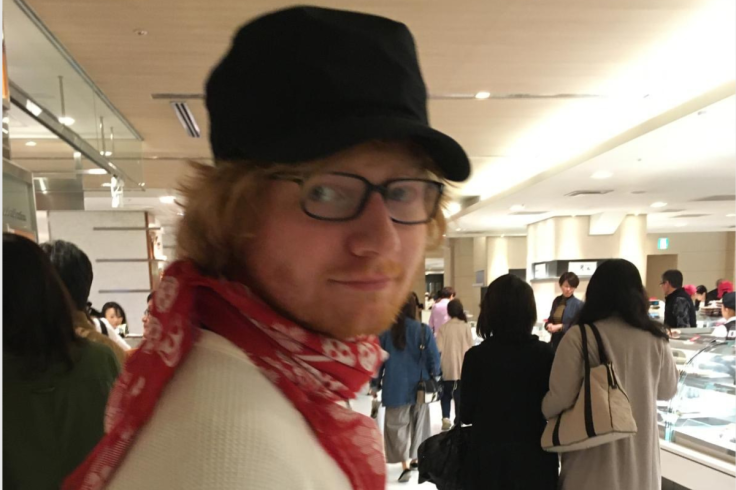
Bono has revealed that Ed Sheeran was reluctant to get involved in politics when he collaborated with U2 on 'Yours Eternally', a song inspired by the war in Ukraine. The revelation comes as Sheeran faces renewed scrutiny over his approach to political issues following the removal of Macklemore from his US tour.
Speaking to Rolling Stone UK, Bono recalled Sheeran asking whether the collaboration was going to pull him into political territory. According to Bono, Sheeran told him: 'You're not going to get me into politics, are you?'
When Bono explained that the song had been inspired by a Ukrainian soldier who admired Sheeran, the singer reportedly replied: 'Yeah, but I just want to keep my thing free.'
Bono Reveals What Ed Sheeran Said About Politics
'Yours Eternally' appeared on U2's 2026 Days of Ash EP and features Ukrainian musician Taras Topolia. The song is written from the perspective of a Ukrainian soldier during Russia's ongoing war against Ukraine.
Bono said he ultimately understood Sheeran's position, adding that 'you can't be pushing people around'. Rather than criticising the singer for wanting to keep his public platform separate from politics, Bono suggested artists should be allowed to decide how politically involved they want to become.
The comments are particularly notable because U2 have spent decades using their music and concerts to address political and humanitarian issues.
Ed Sheeran's Apolitical Stance Has Come Under Scrutiny
Bono's comments arrive during a difficult period for Sheeran, whose reluctance to make political statements has become a major talking point.
The controversy intensified after Macklemore was removed from the US leg of Sheeran's Loop Tour following the rapper's pro-Palestinian remarks during concerts at MetLife Stadium. Sheeran subsequently said the decision was made by venues and promoters rather than himself.
Sheeran also explained that he deliberately avoids using his professional platform for politics because his audience includes young people from different backgrounds. He said he wanted his shows to remain a place of 'safety and sanctuary' and argued that artists can pursue peace through different approaches.
Sheeran Has Since Spoken More Directly About Gaza
Despite previously describing himself as someone who does not use his professional platform for politics, Sheeran later addressed the Israel-Gaza conflict from the stage.
At a September concert, he described the events of 7 October as horrific while saying the situation in Gaza was 'catastrophic and unjustifiable and disproportionate'. He also said he could no longer hide how he felt about the humanitarian situation.
That shift has made Bono's recollection of their earlier collaboration particularly relevant to the ongoing debate around Sheeran's public position.
However, Bono did not portray Sheeran as someone who should be forced into political activism. Instead, he stressed that artists have different approaches to public issues.
Larry Mullen Jr. Defends Artists' Right to Stay Out of Politics
U2 drummer Larry Mullen Jr. echoed that position during the same interview.
Mullen cited producer Brian Eno's view that artists are entitled to decide whether they want to become involved in political issues. He argued that it is not the job of other artists to criticise those choices simply because they would approach politics differently.
At the same time, Mullen drew a distinction between an artist voluntarily avoiding politics and outside forces attempting to control what musicians can say on stage.
He criticised the idea of promoters or billionaire venue owners influencing an artist's speech, pointing to U2's own history of politically outspoken songs such as 'Sunday Bloody Sunday'.
Bono Says Artists Should Not Be Forced Into Political Battles
Bono ultimately framed the issue as one of persuasion rather than pressure.
He acknowledged that U2 have long been comfortable getting involved in political causes, but said they can also recognise when other artists do not want to take the same path.
His comments offer a more complicated picture of the Sheeran controversy than a simple clash between political and apolitical musicians.
For Bono, artists can make different choices about their platforms. Sheeran's reported desire to 'keep my thing free' may therefore reflect a deliberate approach to his career rather than an unwillingness to care about political or humanitarian issues.
The debate surrounding Sheeran, Macklemore and U2 nevertheless highlights an increasingly difficult question for major musicians: when their platforms become powerful enough to influence public conversations, should they use them for political causes, or should they be allowed to keep their music separate from politics?
© Copyright IBTimes 2026. All rights reserved.