

Japan and China Tension: Fighter's Radar Lock on SDF Jet Sparks Scramble Amid Major Carrier Exercises
Two radar lock incidents heighten regional alarm as China expands carrier drills
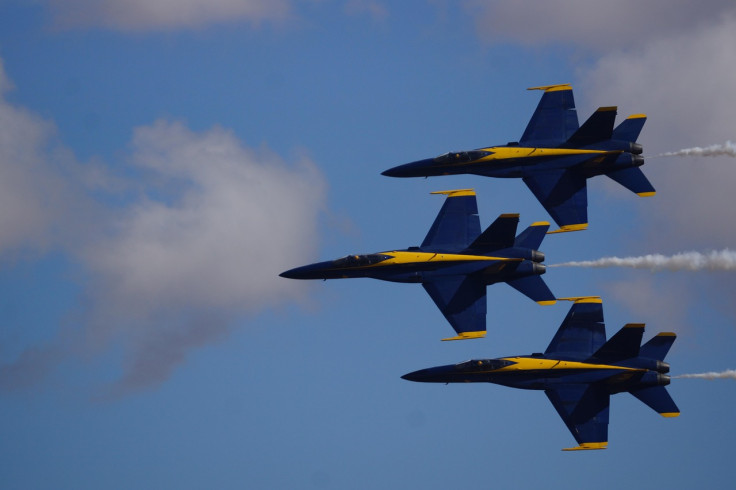
Tensions between Japan and China escalated sharply over the weekend after Chinese fighter jets twice locked their targeting radar on Japan's Air Self-Defense Force aircraft southeast of Okinawa. The incidents unfolded as China conducted expansive carrier exercises in the Pacific, marking one of the most confrontational episodes between the neighbours this year.
According to Japan Today's report on the carrier drills, China's aircraft carrier Liaoning sailed through waters off Okinawa before launching a series of fighter and helicopter training flights. Japan's Defence Ministry responded by scrambling SDF jets after detecting the carrier group near contested areas.
Hours later, the situation escalated further. The Japan Times confirmed that J-15 fighters from the Liaoning allegedly directed their radar at Japanese F-15s on two separate occasions, once in late afternoon and again during the evening. Radar lock is considered a hostile act because it indicates preparation to fire weapons.
Tokyo Issues Strong Protest
Prime Minister Sanae Takaichi condemned the radar lock as a dangerous provocation. She stated that Japan had filed a strong protest and stressed that the country would continue monitoring Chinese military activity with greater vigilance.
Defence Minister Shinjiro Koizumi added that no Japanese aircraft were damaged, yet the ministry viewed the repeated radar targeting as a direct threat to aviation safety in international airspace.
Beijing Rejects Accusations and Shifts Blame
China countered immediately, releasing a statement accusing Japan of harassment. Chinese defence spokesperson Zhang Xiaogang argued that Japan 'maliciously monitored' the Liaoning's training area and disrupted legitimate exercises. He rejected Tokyo's claims and framed Japan's response as an attempt to mislead international opinion.
The competing narratives underscore the increasingly confrontational military environment in the East China Sea and Pacific. China's carrier movements have grown more assertive, and the commissioning of the Fujian last month allows Beijing to rotate three carriers for near-constant regional deployment.
Heightened Strategic Stakes Near Okinawa
Okinawa sits close to Taiwan, a focal point of geopolitical friction. Japan has sharpened its security posture in response to concerns that conflict in the Taiwan Strait could endanger its own national stability. Tensions worsened further after recent remarks by Takaichi signalled Japan may view an attack on Taiwan as a threat to its survival.
China's expanding carrier operations now routinely place its naval forces near Japanese territory, adding pressure to already strained diplomacy between the two regional powers.
Regional Allies Voice Alarm
Australia joined Japan in expressing unease. During a meeting in Tokyo, Australian Defence Minister Richard Marles referred to the radar lock incident as concerning and drew parallels to Australia's own encounters with the Chinese military. He reiterated Australia's intention to stand with Japan in preserving a rules-based order throughout the Indo-Pacific.
A Turning Point in Air and Maritime Posturing
The weekend's incidents reflect a broader shift in China's operational confidence and Japan's increasingly firm responses. Beijing is pushing its carrier fleets farther from the mainland as part of a long-term plan to project power across the Pacific. Japan, meanwhile, is accelerating defensive readiness and strengthening security partnerships with regional allies.
Although both sides have avoided direct conflict, the radar lock events underscore how quickly routine monitoring can escalate into confrontational standoffs. With more carrier deployments expected and political rhetoric hardening on both sides, the Japan-China dynamic appears set for a more turbulent chapter.
© Copyright IBTimes 2026. All rights reserved.