

British Passport Dual Citizenship Rule Change Could Cost Travellers £1,000 to Enter the UK
From February 2026, British dual nationals must prove UK citizenship before travel
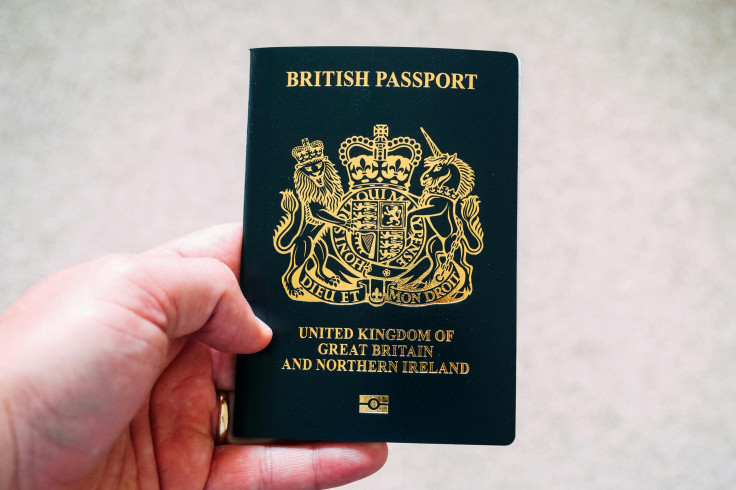
British dual nationals will face stricter entry requirements to the UK from February 2026 under changes linked to the government's Electronic Travel Authorisation (ETA) system, a move that could leave some travellers facing costs of up to £1,000 (approximately $1,300) to obtain the correct documentation.
From 25 February, British citizens who also hold another nationality will be required to prove their British citizenship before boarding travel to the UK. Those attempting to travel using only a foreign passport risk being refused boarding unless they hold specific UK-issued documents.
The changes are expected to affect thousands of dual nationals living overseas, including people who have long relied on non-British passports when travelling. Airlines have been instructed to enforce the rules strictly once the transition period ends, placing responsibility on travellers to ensure their paperwork is in order well ahead of departure.
How the Rule Change Affects Dual Citizens
Under current arrangements, many British dual nationals have been able to enter the UK using a foreign passport, relying on their right of abode to establish eligibility on arrival. From late February 2026, carriers will no longer accept this approach.
Updated Home Office guidance requires airlines to verify passengers' eligibility to enter the UK before departure. British citizens are not eligible to apply for an ETA, even when travelling on a foreign passport, meaning dual nationals cannot rely on the new system to gain entry.
Instead, travellers must present either a valid British or Irish passport, or a Certificate of Entitlement confirming the right of abode in a foreign passport. Without one of these, airlines may refuse boarding regardless of a passenger's citizenship status.
The Home Office says the measures are intended to reduce confusion at the border and ensure citizenship status is established before travel begins.
From 25 Feb 2026, dual nationals with British citizenship must use a valid UK passport or a certificate of entitlement to travel to the UK. Travel won’t be possible without one.
— UK in New Zealand (@UKinNZ) January 13, 2026
Check and renew your passport now: https://t.co/hWaflkvPjI
ETA info: https://t.co/dCMO6568ff pic.twitter.com/UXsC34e1MM
Costs of Passports and Certificates
For those without the required documents, the financial impact can be significant. Applying for a standard British passport from overseas typically costs around £280 (around $370) once courier fees are included.
An alternative option is a Certificate of Entitlement, which allows a dual national to travel on a foreign passport while proving their right of abode. Applications for the certificate currently cost around £589 ($778) when made outside the UK.
When combined with additional expenses, such as obtaining supporting documents like UK birth certificates or using expedited services, total costs for some travellers could approach or exceed £1,000 ($1,300). Processing times can also extend to several weeks, creating challenges for those with imminent travel plans.
If you’re heading to London or beyond after February 25, be prepared, as the UK government has changed its entry policies, and it pretty much affects every Aussie. pic.twitter.com/dsjVb5tx2w
— The Project (@theprojecttv) January 15, 2026
Impact on Travellers and Families
Dual nationals who have lived abroad for long periods or allowed British passports to lapse are expected to be among those most affected. Some have previously travelled routinely using another nationality and may not realise the rules are changing.
Airlines have begun advising passengers to check documentation well in advance, warning that failure to meet the new requirements could result in denied boarding and additional costs.
With enforcement due to begin in February 2026, British citizens with dual nationality are being urged to review their travel documents early. Ensuring the correct passport or entitlement is in place is likely to be essential for anyone planning to travel to the UK later this year or beyond.
© Copyright IBTimes 2026. All rights reserved.