

Crypto ATM Safety Debate Intensifies With New Reports of Fee Spikes and Vulnerabilities
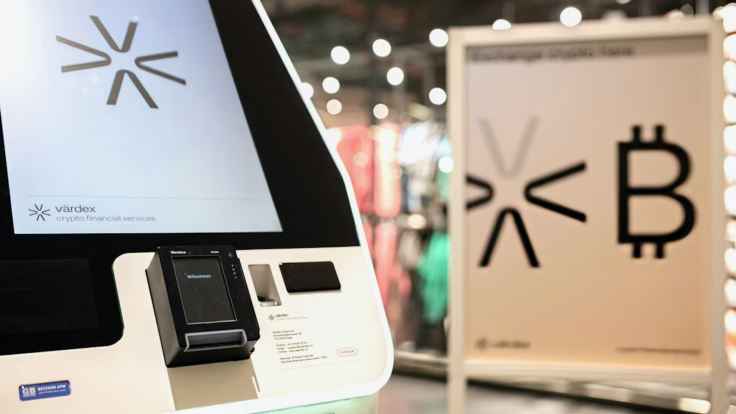
The global boom in cryptocurrency ATMs is colliding with a wave of regulatory crackdowns and mounting concerns about consumer safety.
New reports reveal soaring fees, serious system vulnerabilities and a surge in social-engineering scams targeting vulnerable users.
Regulators, including the UK's Financial Conduct Authority (FCA), are issuing stark warnings, describing many machines as unlicensed, unsafe and ripe for exploitation.
With the worldwide ATM count expected to approach 40,000 units by 2025, the debate over convenience versus security is intensifying, prompting calls for urgent global oversight before losses spiral further.
A Booming Industry Under Global Scrutiny
Crypto ATMs allow customers to convert physical cash into digital assets like Bitcoin within minutes. Their convenience has fuelled rapid expansion, particularly in North America, which holds roughly 44.27% of the global market, according to industry trackers.
Yet authorities say this convenience masks a dangerous reality: a shadow economy primed for fraud, money laundering and predatory pricing.
Regulators across the US, UK and Europe are now questioning whether the sector has outpaced the guardrails necessary to protect consumers. International watchdogs warn that the machines' lax compliance checks, cash-based nature and lack of standardised verification make them ideal tools for criminal networks.
Fee Spikes Above 20% Leave Consumers Exposed
One of the sharpest criticisms involves the hidden and excessive fees charged by many operators. Investigators report that ATM transactions routinely cost between 5% and 20%, with additional network fees pushing totals even higher. By comparison, major online crypto exchanges typically cap fees between 1.5% and 2.2%, making ATMs dramatically more expensive.
The situation can be much worse when rogue operators are involved. In a recent UK prosecution, an unregistered ATM network was found to be charging 30% to 60% per transaction—forcing users to pay extraordinary mark-ups in order to complete what appears to be a simple cash-to-crypto exchange. Regulators argue that these inflated fees disproportionately impact first-time buyers and financially vulnerable users who may not realise they are being overcharged.
Scams, Coercion and the Rise of Social Engineering
Police forces across the US and Europe report a surge in ATM-linked scams, many driven by social-engineering tactics. Victims are often coerced—sometimes by impersonators posing as law-enforcement officers or utility companies—into feeding cash into a crypto ATM to 'avoid arrest' or 'settle urgent debts'.
The UK has become a central battleground. The FCA has repeatedly stressed there are no legally registered crypto ATM operators in Britain, warning that unlicensed machines pose a severe risk to consumers.
In one widely reported case in Sheffield, a member of the public lost £1,000 after a transaction failed and the ATM operator could only be contacted via an untraceable WhatsApp number.
The FCA has since secured its first criminal prosecution tied to an unregistered ATM network, signalling escalating enforcement.
Global Expansion Meets Growing Regulatory Alarm
Despite rising concern, the global footprint of crypto ATMs continues to expand. Asia-Pacific markets, including the Philippines and Indonesia, are experiencing rapid installations as demand for fast cash-to-crypto access rises. Yet experts warn that the lack of uniform Know Your Customer (KYC) standards and weak compliance regimes leave many machines dangerously exposed to abuse.
Regulators say that unless countries harmonise their anti-money-laundering frameworks, the upcoming wave of installations could overwhelm enforcement systems and make black-market crypto flows nearly impossible to track.
© Copyright IBTimes 2026. All rights reserved.