

Trump-Voting Immigration Lawyer Couldn't Stop Cousin's Deportation: 'This Isn't What I Voted For'
Cuban families question the security of a longstanding residency pathway amid stepped-up enforcement

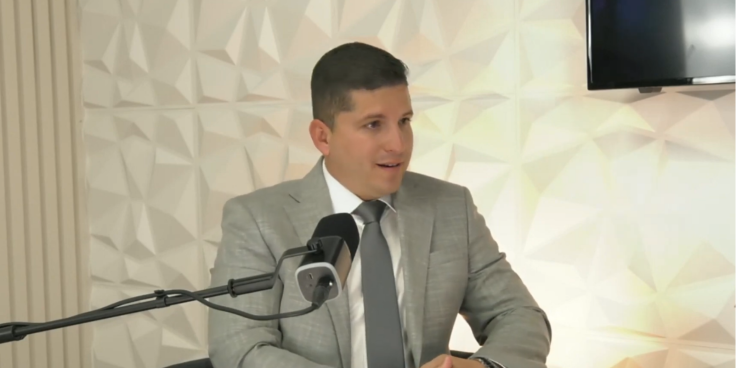
A Cuban-American immigration lawyer who voted for Donald Trump in the 2024 presidential election has been left questioning his decision after failing to prevent his own cousin from being deported to Cuba, exposing growing frustration among Florida's Latino voters over the administration's immigration crackdown.
Ismael Labrador, a Cuban-born lawyer based in Miami, says his office has become a regular destination for families desperate to stop relatives from being removed from the US. His appointment schedule is increasingly filled with people seeking legal help after loved ones are detained by Immigration and Customs Enforcement (ICE).
He said that ICE's campaign has created widespread anxiety among Cuban-American families, including those who previously believed their immigration circumstances offered greater protection.
'If you don't have a Green Card in the United States, you may be a target,' he said. 'We have relatives living in fear right now, we've had relatives who have been deported back to Cuba, unfortunately.'
The lawyer's cousin was detained by immigration authorities and deported to Cuba despite Labrador's efforts to intervene. 'It's hard when you're fighting against a lot of resources,' he said.
Cuban-Americans Face a Different Immigration Reality
For decades, Cuban nationals have benefited from a special immigration pathway under the Cuban Adjustment Act of 1966. The legislation allows eligible Cuban natives and citizens who meet specific entry, physical-presence, and admissibility requirements to apply for permanent residency.
However, the Trump administration's enforcement drive has made many Cuban families question how much protection their previous immigration arrangements actually offer.
Labrador says arrests have reached places where families might once have expected to be safe, including school entrances, public transport stops, sporting events, and courthouses where migrants had attended scheduled immigration proceedings.
One particularly disturbing case involved Ecuadorian immigrant Grace Calero, 39, and her 19-year-old daughter, Giulianna Carriel. The pair were receiving hospital treatment following a road accident in central Florida when ICE agents arrived and arrested them. They were subsequently deported to Ecuador.
Another case involved Heydi Sanchez, who left Cuba in 2019 and entered the US illegally, and was deported after being detained at an unexpectedly rescheduled ICE appointment. Released previously under an I-220B Order of Supervision, she had settled in Tampa, where she worked with elderly people and raised her daughter, Kailyn, with her husband. Following her detention, the child was handed to her US-citizen father, while Sanchez was flown to Havana within a day. She says her daughter repeatedly asks when she will return. ICE said Sanchez had agreed to leave without her child.
The Trump administration maintained that its enforcement programme fulfils a central election commitment. A White House spokeswoman told the BBC that more than three million undocumented immigrants had left the country as a result of the president's policies.
Labrador was among the 68% of Cuban-Americans in Florida who supported Trump in the 2024 election. He says he backed the Republican because he wanted authorities to remove criminals, not pursue immigration enforcement on such a broad scale.
'I think we got blindsided by the administration. Personally, I voted for Trump because I wanted to get criminals out of the country,' he added, arguing that he never expected the crackdown to affect so many people without criminal records.
'We wanted to have a safe America. We never thought that he was going to go after everybody. This isn't what I voted for,' Labrador added.
Republican Allies Face Growing Pressure Over Deportations
Labrador is not the only Cuban-American Trump supporter expressing disappointment with the administration's immigration policies. Republican Congresswoman Maria Elvira Salazar, who represents Florida's 27th congressional district, has also publicly criticised the scale of deportations.
In a video recorded outside the White House, Salazar said the policy had gone too far and warned Trump that Hispanic voters who helped secure his 2024 victory increasingly felt betrayed.
Her criticism comes as she faces a competitive congressional contest against Democratic candidate Eliott Rodríguez, another Cuban-American. Her close association with the president's immigration agenda could become an electoral liability.
Yet dissatisfaction with deportations has not necessarily translated into a broader rejection of the Republican Party.
A Florida International University (FIU) survey released on 27th October found that 76% of Cuban-Americans in South Florida disapproved of increased deportations involving Cubans without criminal records. Nevertheless, 68% said they intended to vote Republican in November's midterm elections.
© Copyright IBTimes 2026. All rights reserved.