

Japan Plans 'Emergency Request' for Three-Day Food and Water Stockpiles Amid Reports of Online War Speculation
The government says households should keep at least three days of essentials, preferably a week, as a new disaster agency launches
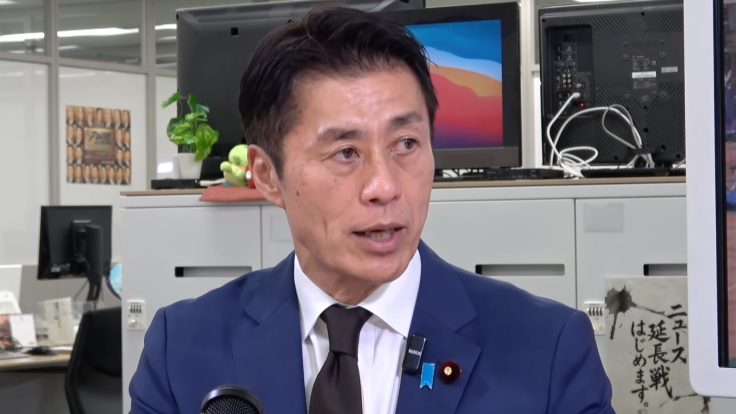
Japan plans to issue a nationwide 'emergency request' urging households to stockpile food, water and emergency toilet supplies, prompting online speculation about war despite the government's stated focus on natural disasters.
Disaster Management Minister Goshi Hosono intends to make the appeal on 2 November, when Japan's new Disaster Management Agency launches. Speaking during an online programme on 26 October, he outlined preparations intended to help residents manage at home when public assistance cannot immediately reach them.
The language surrounding the planned request has attracted interpretations extending beyond those stated aims. Reporting on 28 October described online claims linking the advice to an imminent world war or a major cyberattack. Those claims are speculation, not evidence of the government's reasons for the appeal.
Three Days Minimum, One Week Preferred
Hosono's proposed benchmark is a minimum of three days of essential supplies, with a week's worth preferable. Food and drinking water are only part of the preparation: emergency toilet supplies are also included.
The appeal will extend beyond households to central government ministries and prefectures. Hosono said greater household self-sufficiency would allow assistance to be concentrated on people who most need support.
The disasters identified in his remarks included a Nankai Trough earthquake, an earthquake directly beneath the capital, major earthquakes along the Japan and Kuril trenches, and a Mount Fuji eruption. These were preparedness scenarios, rather than predictions that a particular event would happen on a specified date.
Why Supplies May Not Arrive Immediately
Japan's existing food-stockpiling guidance explains the practical concern: a major disaster can interrupt utilities and distribution networks at the same time.
The agriculture ministry warns that relief supplies may take more than three days to arrive. Disruption to logistics could also leave supermarkets and convenience stores unable to provide food for a week. Household reserves are intended to cover that gap while emergency operations and deliveries recover.
Existing government guidance recommends approximately three litres of water per person per day and food sufficient for at least three days, preferably a week. Those recommendations predate the latest announcement.
Official advice also promotes rotating ordinary household supplies: keep slightly more food than usual, consume it regularly and replace what has been used. This approach helps maintain a usable reserve without leaving everything untouched until it expires.
What the 'Emergency Request' Means
The planned appeal is tied to the launch of a disaster-management institution. Hosono's remarks do not announce a state of emergency or establish that Japan expects imminent war.
At a separate press conference on 20 October, he had already outlined requests directed at residents, local authorities and ministries. He discussed household food and sanitation preparations, securing furniture and strengthening local disaster readiness. He also cautioned that a new national agency could not perform every task itself.
The agency's work will include improving evacuation shelters. Hosono has highlighted toilets, hot meals, beds and bathing facilities as priorities, alongside better cooperation between public authorities and private organisations.
The announcement concerns preparations for disrupted services and delayed assistance. Its timing and wording alone do not substantiate claims of an approaching global conflict.
© Copyright IBTimes 2026. All rights reserved.