

Dyson Toothbrush Special Features, Price and Release Date: Is the $499 CameraJet Worth It?
Dyson's CameraJet toothbrush features AI technology and a built-in camera for enhanced dental care
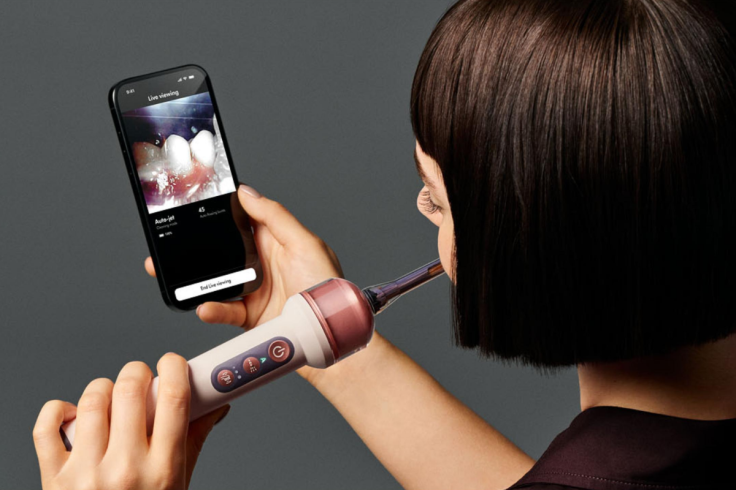
Dyson is taking its engineering ambitions somewhere unexpected: inside consumers' mouths. The British technology company has unveiled the CameraJet, an AI-powered toothbrush equipped with a built-in camera and precision jet that can identify gaps between teeth and target areas where plaque commonly forms.
The launch pushes Dyson into the smart toothbrush market dominated by established names, including Oral-B and Philips, but the CameraJet's unusually high price raises an obvious question for potential buyers: what exactly does it get you?
Dyson Toothbrush Special Features
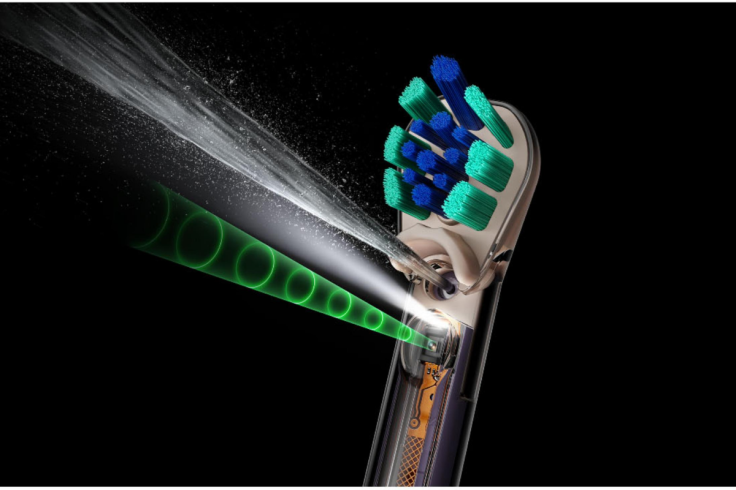
At the centre of the CameraJet is a 100,000-pixel macro camera with an integrated light, allowing the toothbrush to identify gaps between teeth as users brush.
Dyson's Gap Optical Targeting machine-learning system was trained using 470,000 dental images collected during the product's development. According to the company, it analyses 28 live images every second and can identify gaps between teeth within 100 milliseconds.
Once a gap is detected, the CameraJet directs a burst of mouthrinse towards it through its integrated jet.
The camera can also provide a live view through the MyDyson app. Dyson says images captured during brushing are not recorded or stored on the toothbrush or in the cloud.
CameraJet Aims to Floss While Users Brush
Dyson designed the CameraJet to tackle a familiar dental hygiene problem: areas between teeth that brushing alone may miss.
Unlike traditional water flossers that typically produce a narrow stream, the CameraJet uses a conical jet intended to provide wider coverage while operating at lower pressure.
The system draws mouthrinse from a built-in 12.5 ml 'anti-gravity' tank designed to work even when the toothbrush is held horizontally to reach the back teeth.
Dyson spent six years researching and developing the toothbrush, including more than five years of collaboration with the National University of Singapore's Faculty of Dentistry.
MyDyson App Tracks Brushing and Cleaning Coverage
The CameraJet connects through 2.4GHz Wi-Fi and Bluetooth and works with the existing MyDyson app.
Users can access live viewing, guided cleaning, coverage maps and personalised brushing and flossing insights. The toothbrush also offers automatic and manual jetting modes alongside adjustable brushing intensity.
Its brush heads contain RFID tags that allow the CameraJet to recognise an attached head and track how many times it has been used, helping users determine when it needs replacing.
Dyson also says external laboratory testing found its variable sonic oscillation technology removed up to 69% more plaque from hard-to-reach areas than market-leading premium electric toothbrushes.
Dyson Toothbrush Price: What Does $499 Include?
The Dyson CameraJet costs $499 (£369), placing it firmly at the premium end of the electric toothbrush market.
The package includes the CameraJet, two regular brush heads, a charging dock, charging cable and travel case. The dock doubles as a refill station and can replenish the toothbrush's mouthrinse tank in three seconds.
For comparison, other app-connected electric toothbrushes are available for considerably less. CNET, for example, recommends the Oral-B iO Series 5, priced at around $100 (£74), among its electric toothbrush picks.
Dyson Toothbrush Release Date and Colours
Dyson announced the CameraJet on Tuesday, with the toothbrush now available for pre-order in Ceramic Ultra Blue and Ceramic Pink.
The company is also developing its own non-foaming, SLS-free toothpaste and low-foaming mouthrinse specifically for the CameraJet. Dyson has said both products are coming soon, but has not announced a specific release date.
© Copyright IBTimes 2026. All rights reserved.