Charles Spencer Reveals His Biggest Regret About Princess Diana: 'I Probably Could' Have Done More
Charles Spencer discusses Diana's struggles, security concerns at Althorp and their disagreements over her funeral
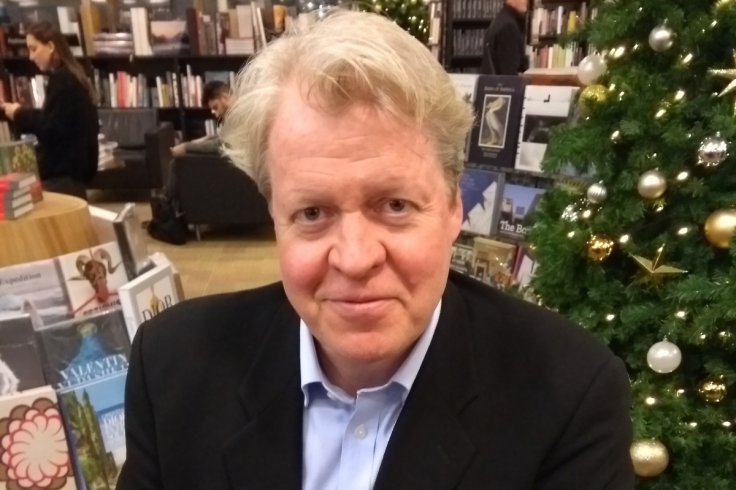
Earl Spencer has admitted he 'probably could' have done more to support his sister, Diana, Princess of Wales, as she struggled with the pressures of public life in her final years.
Charles Spencer, the 9th Earl, 62, made the reflection in an interview with PEOPLE magazine at the family estate at Althorp, Northamptonshire. The piece, published on 25 September to promote his memoir, Swan Song: Diana, My Sister, is his first extensive public account of their relationship in nearly 30 years. Asked whether he could have helped her more, he replied that he probably could have.
He spoke about his regret nearly three decades after Diana died in Paris in August 1997.
Lord Spencer said he did assist his sister in her final years, including in disputes involving the media. He said he 'would fight some battles for her quietly'. His own run-ins with the press, he said, had given him experience of such disputes. He said he helped Diana win what he described as 'a big libel case' against a British newspaper.
Diana's Request for a Home at Althorp
The memoir also addresses a longstanding claim that Lord Spencer refused to give Diana a home at Althorp after her divorce from the then Prince Charles in 1996.
Lord Spencer said Diana asked to live in the Garden House at the back of the estate. He said she had loved the property because their sister, Jane, had lived there with her children.
He said he went to the house with local police officers, who told him they could not protect Princes William and Harry there. He said the assessment showed his decision was based on security concerns, not a refusal to provide Diana with a home.
Diana continued to live at Kensington Palace after the divorce.
Behind the Scenes of Diana's Funeral
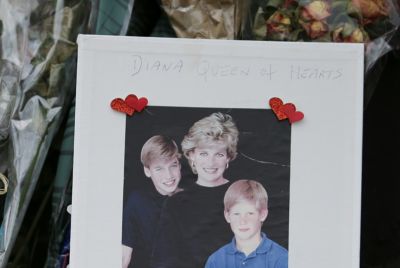
Swan Song also includes Lord Spencer's account of a heated exchange with the then Prince Charles over whether William and Harry should walk behind their mother's coffin. The account has drawn renewed attention since excerpts from the memoir were published.
He also sets out his version of how the then Prince Charles reacted in the hours after Diana's death. Those claims have already drawn a response from Buckingham Palace, which said the King was mindful that grief could affect memory and judgement.
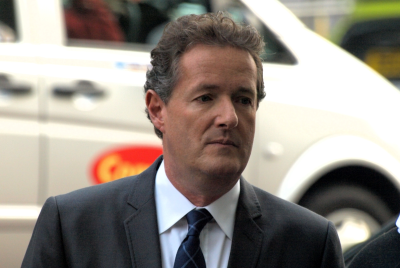
The book has also prompted a public correction. Lord Spencer apologised to the broadcaster Piers Morgan after Mr Morgan threatened legal action over a passage in the memoir. He acknowledged an 'incorrect assumption' concerning Mr Morgan and intrusive photographs of Diana, after it was pointed out that Morgan was not editor of the Daily Mirror when the photographs were published in 1993. Morgan has said he will continue with legal proceedings.
Why Earl Spencer Is Speaking Now
Lord Spencer has given the approaching 30th anniversary of Diana's death, in 2027, as one reason for publishing the memoir now. He said the anniversary had already brought a large number of requests for interviews about his sister.
He said the interest prompted him to put his own memories into a book rather than continue responding to individual requests for comment. He has said he did not wish to read the opinions of others, some of which he considers to be based on 'untruths'.
Swan Song adds his personal account to the continuing public discussion of Diana's life, death and legacy.
© Copyright IBTimes 2026. All rights reserved.
- Recommended For You