

Princess Diana's Funeral Wish Rejected by Palace, Earl Spencer Claims
In his memoir, Diana's brother says royal officials wrongly told the family that requiem music was not permitted at a Church of England service
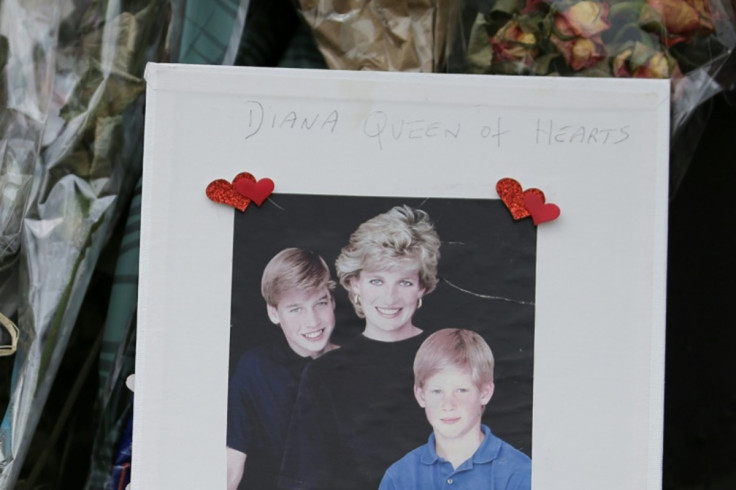
Princess Diana's family was allegedly overruled by Buckingham Palace over one of her own wishes for her funeral, according to a fresh claim from her brother Earl Spencer.
Charles Spencer says Diana had long wanted Mozart's Requiem played after her death, a request her siblings passed to royal officials while organising her funeral in September 1997.
But Spencer claims the request was rejected on the grounds that requiem music could not be performed during a Church of England funeral.
He says he later discovered that explanation was incorrect, describing it in his forthcoming memoir Swan Song: Diana, My Sister as the 'first of several untruths' he believes officials gave him during the fraught funeral preparations.
Spencer Claims Palace Rejected Diana's Wish
The latest allegation adds another layer to Spencer's account of tensions between Diana's relatives and the royal household immediately after her death.
Diana died aged 36 on 31 August 1997 following a car crash in Paris. Although she and Charles had divorced the previous year, Spencer claims Buckingham Palace still behaved as though it had ultimate authority over arrangements surrounding her death.
In the memoir, Spencer argues that Diana remained under royal control 'even in death' and says her own family was expected to accept decisions made by Buckingham Palace and the then-Prince Charles's household.
Spencer writes that his sisters, Lady Sarah McCorquodale and Lady Jane Fellowes, knew Diana had always wanted Mozart's Requiem played after her death.
When he passed that request to officials, he says he was told that 'no part of a requiem' could be used in a Church of England service. Spencer claims he subsequently discovered no such blanket restriction existed.
The account remains Spencer's recollection of events almost three decades ago and has not been independently established through contemporary documents cited in current reporting.
Funeral Planning Dispute With Royals
The music disagreement was not the only source of friction.
Spencer has also detailed his opposition to Princes William and Harry walking behind their mother's coffin through London. William was 15 and Harry just 12 at the time.
He says he believed Diana would never have wanted her sons subjected to such a public ordeal.
Prince Harry later recalled in his memoir Spare that adults in the family, including Spencer, strongly opposed the plan. Prince William has described participating in the procession as a collective family decision.
The dispute has become central to Spencer's new memoir, which revisits the days between Diana's death and her funeral at Westminster Abbey on 6 September 1997.
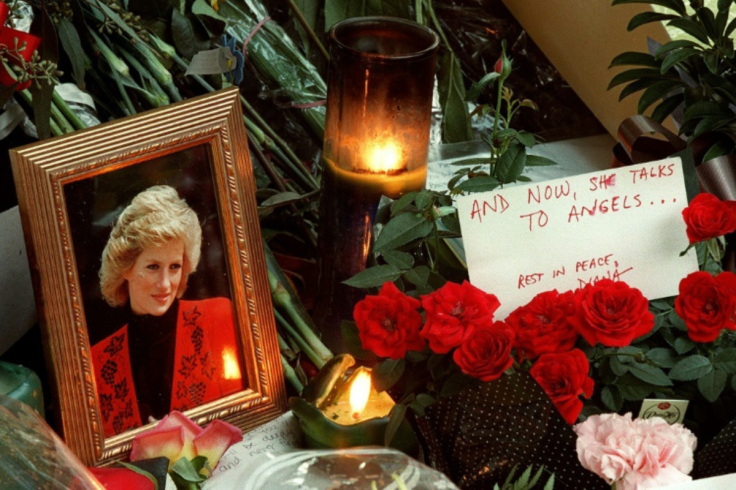
Palace Challenges Spencer's Claims
Buckingham Palace has taken the unusual step of responding to some of the broader claims contained in Spencer's book.
After he alleged that Charles told him Diana would be 'forgotten soon enough', the Palace said the King was conscious that intense grief could affect reason, judgement and memory.
Buckingham Palace has not publicly responded specifically to Spencer's Mozart Requiem allegation as of the latest reporting.
Spencer has said the book is intended to challenge what he considers longstanding inaccuracies about his sister's life, marriage and death.
Swan Song: Diana, My Sister is due to be published in the UK on 22 September, with extracts appearing ahead of its release.
Nearly three decades after Diana's funeral became one of the most watched royal events in history, Spencer's latest claim shifts attention away from the public ceremony itself and towards the private battle over who had the final say in how she was mourned.
© Copyright IBTimes 2026. All rights reserved.
- Recommended For You


