

Elon Musk Claims Epstein Turned Child Victims Into Traffickers To Ensure Their Silence
Tech billionaire suggests amnesty programme could unlock testimony

Elon Musk has claimed Jeffrey Epstein systematically turned his child victims into traffickers once they reached 18 to ensure their silence. Writing on X, the tech billionaire stated: 'Most of the child victims were turned into traffickers themselves by Epstein after age 18. By making them commit crime with him, Epstein ensured their silence more than any NDA possibly could.'
Musk called for these individuals to be offered amnesties so they can testify without fear of prosecution. His post came after comedian Nicole Arbour questioned why Epstein's victims still won't publicly name the powerful men allegedly involved, with Musk suggesting they're legally compromised—caught in a trap where speaking out could land them in trouble.
Court Records Confirm Recruitment Pattern
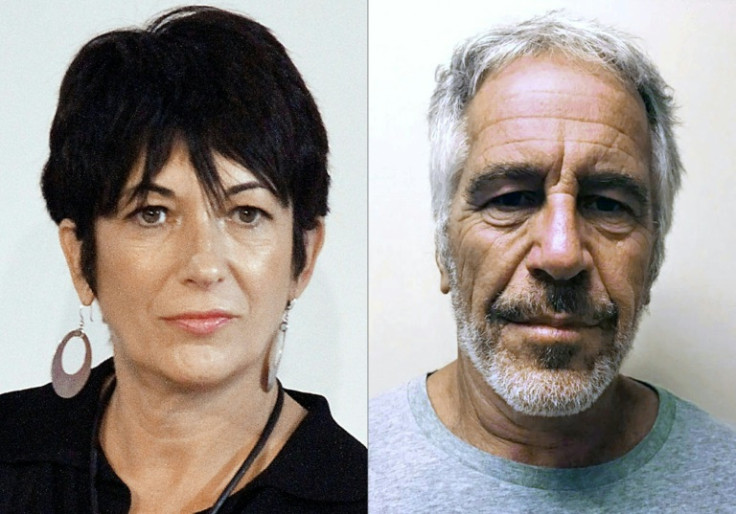
Court documents and trafficking research support this pattern. Ghislaine Maxwell is serving 20 years for recruiting young girls for Epstein throughout the 1990s and 2000s, sometimes joining in the abuse herself, according to testimony that secured her 2021 conviction.
Research from the Justice Programs Office found Epstein targeted girls not just for sexual acts but to bring in more victims—a common trafficking tactic. Many who started as victims became recruiters, not through choice but as a survival mechanism. Recruiting others offered protection from direct abuse and favour from their exploiter. The Department of Justice stated in July 2019 that Epstein 'worked with several employees and associates to ensure that he had a steady supply of minor victims to abuse and paid several of those victims themselves to recruit other underage girls', according to the Human Trafficking Institute.
The Victim-Offender Overlap
Trafficking experts have a term for what Musk's describing: the victim-offender overlap. A 2014 study by researchers Finn, Muftic and Marsh found significant overlap between trafficking offences and trafficking victimisation amongst women involved in sex work in the US. Another study from 2010 interviewed 25 people convicted of trafficking in Chicago—68 per cent of them had been trafficked themselves first.
Virginia Giuffre, one of Epstein's most vocal accusers, has publicly stated she was forced to recruit younger girls while being abused herself over three years. Documents from Maxwell's trial showed the method: Maxwell would promise girls jobs, offer to pay for clothes or education, create indebtedness, then pressure them to bring struggling friends.
Files Released, But Few Prosecutions
Musk's comments come as more Epstein-related documents are released under the Epstein Files Transparency Act, which Trump signed last November. The Justice Department has been releasing emails, investigative materials, and communications sealed for years. However, while evidence confirms Epstein abused underage girls, an Associated Press review of internal Justice Department records found investigators couldn't prove he ran a trafficking ring serving powerful men.
Videos and photos from Epstein's homes didn't show victims being abused or implicate anyone besides Maxwell, according to a 2025 prosecutor's memo. Musk has previously said 'the acid test for justice is not the release of the files, but rather the prosecution of those who committed heinous crimes with Epstein'. He's even offered to cover legal fees for victims who get sued for speaking out.
The Case for Amnesty
Research from the University of Denver found that across more than 1,400 trafficking cases, a third of traffickers used psychological coercion—taking money, blackmailing victims, shaming them, threatening harm, and forcing recruitment. Clinical psychologist Anne P DePrince explains that targeting minors creates betrayal trauma, leading to shame, self-blame, and fear that leaves survivors alienated and unable to trust.
Musk's amnesty proposal isn't official policy—it's just his idea. But it raises an important question: should the justice system prosecute people who committed crimes whilst being victimised themselves? Or should it offer them a way out in exchange for testimony that could bring down the powerful people who created this nightmare in the first place?
Most of the child victims were turned into traffickers themselves by Epstein after age 18.
— Elon Musk (@elonmusk) February 10, 2026
By making them commit crime with him, Epstein ensured their silence more than any NDA possibly could.
They should be offered amnesties in order to testify. https://t.co/Bug3zHxrAf
Understanding what amnesty could actually accomplish
The concept isn't unprecedented. Various jurisdictions have 'safe harbour' laws that protect trafficking victims from prosecution for crimes committed whilst being trafficked. But applying this to the Epstein case would be complicated. Some of these women are now in their 30s and 40s. The crimes they may have participated in happened years ago. And the powerful men allegedly involved have teams of lawyers ready to fight.
Still, without some form of protection, why would anyone come forward? If you recruited other girls under coercion and fear, admitting that now could mean prison time. Musk's argument is that Epstein designed it exactly this way—make your victims complicit, and they'll never talk. Breaking that cycle requires offering them something in return for the truth.
Whether anyone in power will actually push for such amnesty programmes remains to be seen. For now, it's just Musk making noise on social media. But given how little justice Epstein's victims have seen so far, maybe noise is exactly what's needed.
© Copyright IBTimes 2026. All rights reserved.