Trump Ally Defends FBI Hiring Rule Change on Bestiality After Senators Call Decision 'Weird'
Patel told the Senate Judiciary Committee that the changes were intended to prevent victims of trafficking or sexual abuse from being automatically rejected
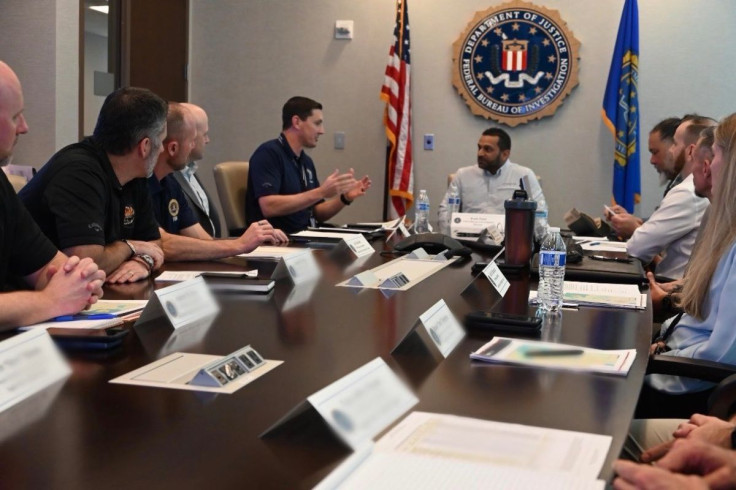
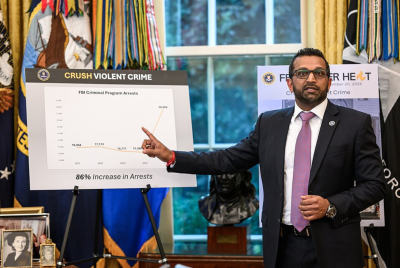
FBI Director Kash Patel faced bipartisan scrutiny on Tuesday, 15 September, after senators questioned changes to bureau hiring standards that removed certain cases involving bestiality and animal cruelty from the list of automatic disqualifiers.
Patel told the Senate Judiciary Committee that the changes were intended to prevent victims of trafficking or sexual abuse from being automatically rejected, rather than to allow people who voluntarily committed such acts to become FBI agents.
The US Senate Judiciary Committee pushed FBI Director Kash Patel to explain why the agency changed its hiring qualifications, including eliminating bestiality as an automatic disqualifier https://t.co/R7SGyjRyEt pic.twitter.com/Kx89spGnlI
— Reuters (@Reuters) September 15, 2026
'We did not want to punish victims of bestiality, victims who were trafficked,' Patel said. 'We did not want to make it an automatic disqualification for the FBI to consider you.'
The explanation drew sharp questions from Republicans and Democrats. Senator John Kennedy, a Republican, questioned why bestiality had become part of the bureau's hiring policy, while Democratic Senator Dick Durbin challenged whether the written language clearly distinguished victims from people who had voluntarily engaged in the conduct.
The Policy Change Behind the Controversy
The FBI changed its eligibility standards in stages. According to a letter from Senate Judiciary Democrats, the bureau changed a public employment eligibility document on 28 February 2025 to remove 'engagement in prostitution or bestiality' as an automatic disqualification.
The Senate Democrats' letter said an internal directive issued in June 2026 made further changes to hiring criteria. Under the revision, a history of bestiality or animal cruelty is not automatically disqualifying when the conduct occurred before the applicant turned 18.
The changes do not mean every applicant with such a history will be eligible for employment. Instead, certain conduct that previously triggered an automatic rejection can now be considered as part of the wider suitability process.
The distinction became central to Tuesday's hearing, with Patel saying the bureau had been shown cases involving people who were forced into sexual acts with animals and later sought FBI employment.
Patel Defends the Reasoning
Patel said he initially questioned the proposal but changed his view after being shown cases involving people who had been forced into bestiality.
'They showed me cases in which people were forced into it and had applied to the FBI, and so I thought: "They should be considered. It's not an automatic disqualification." That's all,' Patel said.
Kennedy pressed Patel on the reasoning, asking why the FBI had become involved with bestiality at all.
'We're having a tough time attracting agents, good quality agents we can all trust ... Why would you even get into bestiality?' Kennedy asked.
He later questioned why the person who recommended the change had not been told: 'What planet did you parachute in from?'
Kennedy also joked about whether the policy disqualified the animal from FBI service. Patel responded by referring to the bureau's 'great canines'.
Durbin Challenges the Wording
Durbin focused on the language of the policy rather than Patel's stated rationale.
'You dropped automatic disqualification for applicants who have been engaged in bestiality, not victims of bestiality – applicants who have engaged,' Durbin said.
Patel responded that applicants described as having engaged in bestiality could include people who were victims because they had been forced to participate.
The exchange highlighted the dispute: the FBI says the changes are intended to prevent victims from being penalised for abuse or trafficking, while senators have questioned whether the written standards make that distinction sufficiently clear.
The bureau has said it is not abandoning its broader suitability requirements. Applicants who are no longer subject to an automatic disqualification can still face further review during the hiring process.
Senators Seek More Information
The Senate Judiciary Democrats sent Patel a letter on 14 September demanding records and an explanation of the policy changes before his appearance. The lawmakers requested a complete, unredacted copy of the 16 June 2026 memorandum outlining the changes, along with records showing who reviewed them.
They also asked the FBI to provide information on applicants hired, given conditional offers or placed under case-by-case review since the changes were introduced.
The FBI has not publicly said how many applicants have been affected by the revised standards or whether anyone with a history of bestiality has been hired under them.
For now, the dispute on how the FBI should distinguish between conduct that resulted from abuse or coercion and conduct that reflects an applicant's own actions. Patel says the approach is intended to ensure victims are not automatically punished for what happened to them, while senators are seeking clearer evidence of how the policy is being applied.
© Copyright IBTimes 2026. All rights reserved.
- Recommended For You