Kash Patel Grilled Over FBI Bestiality Rule After Saying 'We Did Not Want To Punish Victims'
The FBI director said the revised standards aim to avoid penalising trafficking and abuse victims, while lawmakers questioned transparency, recruitment pressures and security risks
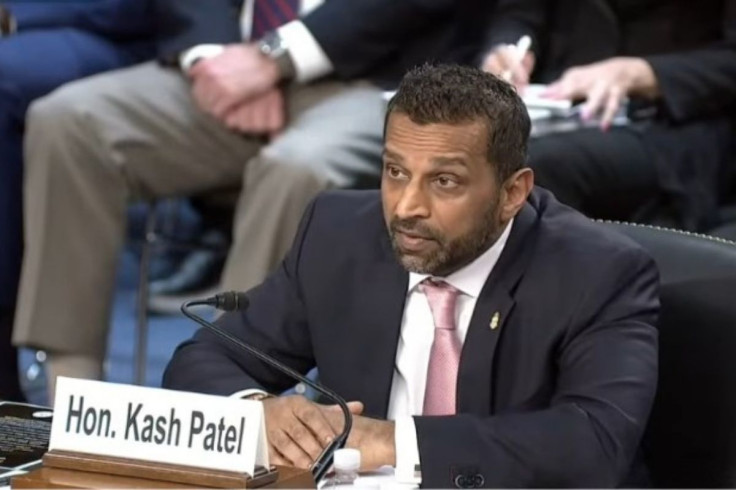
Kash Patel was pressed by senators over one of the FBI's most unusual recent hiring-policy changes on Tuesday after the bureau stopped automatically disqualifying applicants over past acts of bestiality or animal cruelty that occurred before they turned 18.
Defending the move before the Senate Judiciary Committee, FBI Director Patel said the change was intended to ensure people who had been trafficked or forced into such acts were not permanently barred from serving.
'We did not want to punish victims of bestiality, victims who were trafficked,' Patel told lawmakers, according to CBS News. He said the revised standard meant such conduct would no longer automatically prevent the FBI from considering an applicant, while candidates would still face the agency's wider vetting requirements.
The explanation drew scepticism from both sides of the political aisle.
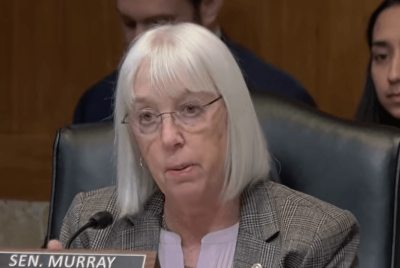
Republican Senator John Kennedy questioned why bestiality had become part of the FBI's recruitment discussion, while Democrats on the committee demanded records explaining who approved the changes, how many applicants had been affected and whether the bureau had assessed potential risks.
Why Senators Challenged the FBI's Hiring Rule
The exchange came during Patel's oversight hearing before the Senate Judiciary Committee, where lawmakers were examining his leadership of the FBI and a series of changes to the bureau's hiring standards.
TMZ reported that Kennedy repeatedly questioned Patel about the decision, including a notable exchange after Patel referred to applicants being disqualified for involvement in bestiality 'on either side of it'.
Kennedy responded by asking whether the animal had therefore been disqualified, and Patel replied that the FBI had 'great K-9s' but would not disqualify them. Behind the exchange was a more specific policy change that CBS News reported in August involving bestiality or animal-cruelty incidents occurring before an applicant turned 18.
The same broader policy revision also changed automatic disqualification rules involving prostitution and theft from an employer.
Patel has stressed that the changes apply only in defined circumstances and do not guarantee employment, with applicants still required to undergo the bureau's background investigation, polygraph process and other suitability assessments.
Patel Says Some Applicants Were Forced Into Abuse
Patel's central argument was that a rigid automatic ban could unfairly punish people who were victims rather than perpetrators. He told senators that he had been shown cases involving people who, he said, had been forced into such acts through human trafficking.
After initially questioning the recommendation, Patel said he agreed that those applicants should at least be allowed to undergo the normal selection process rather than being rejected automatically. That distinction is important because the FBI's revised policy does not simply state that anyone with a history of bestiality can become an agent.
Instead, the reported standards focus on the circumstances and timing of the conduct. CBS News reported that the new criteria specifically cover incidents that occurred before the applicant was 18, while applicants must still meet the bureau's broader suitability requirements.
Critics Question Whether FBI Standards Have Been Lowered
The policy has triggered concern among former FBI officials and lawmakers. A former FBI agent told CBS News that bestiality could indicate wider behavioural concerns and argued that the bureau should have enough applicants to retain strict suitability standards.
Other former officials told CBS News that histories involving prostitution or similar conduct could create potential vulnerabilities to blackmail. The concerns were presented as potential risks, not established consequences of the revised policy.
Senate Democrats have also questioned whether the policy shift is linked to recruitment and retention problems at the FBI.
In a 14 September letter, Judiciary Committee Democrats demanded records explaining who approved the changes, how many applicants have benefited and whether the bureau assessed potential risks involving counterintelligence, courtroom credibility or blackmail.
Patel, however, maintained that the FBI's suitability standards remain high. He rejected the suggestion that the bureau was simply lowering its standards, arguing that the revised process removes an automatic barrier for people whose circumstances warrant further consideration.
What the FBI Hiring Changes Mean for Recruitment
The dispute is ultimately about more than the subject that dominated Tuesday's hearing. It raises a broader question about how federal law enforcement agencies should distinguish between misconduct, victimisation and conduct during childhood.
Patel said the revised policy would allow applicants who had been victims of sexual abuse involving animals to have their circumstances examined during vetting. The policy changes when such conduct becomes an automatic bar rather than ending the bureau's broader scrutiny of an applicant.
For Patel, victims should not be permanently excluded from public service because of abuse inflicted on them. For lawmakers and former FBI officials who have raised concerns, the question is whether removing automatic disqualification could create additional risks for an agency entrusted with national security and federal law enforcement.
© Copyright IBTimes 2026. All rights reserved.
- Recommended For You