Feeding Our Future Scandal: The Organisation Who Stole $300M Federal COVID Aid Meant For Hungry Children
Feeding Our Future became the largest pandemic fraud scheme in modern US history.

The money was supposed to feed children shut out of schools during the pandemic. Instead, federal prosecutors say hundreds of millions of dollars were funnelled through a Minnesota non-profit that turned emergency aid into luxury property, sports cars and offshore investments.
Nearly four years after FBI agents raided offices linked to Feeding Our Future, the scandal has hardened into something larger than a fraud prosecution. It exposed how pandemic-era desperation, political caution and weakened oversight created fertile ground for organised theft on a staggering scale.
The Non-Profit At The Centre Of A $250 Million Fraud
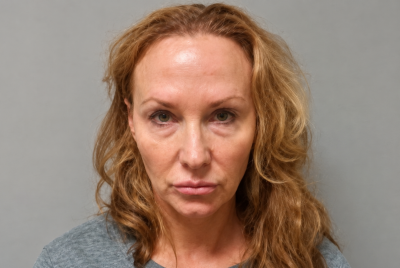
Feeding Our Future was founded in 2016 by Aimee Bock, a Minnesota non-profit operator who presented the organisation as a lifeline for low-income children. Before Covid, the charity handled modest sums through federally funded nutrition programmes.
That changed rapidly in 2020.
As schools closed during the pandemic, the US government expanded emergency food programmes and loosened administrative rules so meals could be distributed quickly. Prosecutors now argue those safeguards collapsed almost overnight.
Federal investigators say Feeding Our Future exploited the chaos by approving hundreds of fake meal claims through a network of purported food distribution sites across Minnesota. Some locations, according to court evidence, were empty offices or vacant lots. Others claimed to feed thousands of children daily despite attracting only a handful of visitors.
At its peak, the organisation reported serving roughly 90 million meals in under two years. One surveillance operation carried out by the FBI found a site claiming to distribute 6,000 meals per day was actually seeing about 40 people.
What cannot be ignored is how long warnings existed before the system finally intervened. Minnesota education officials had reportedly raised concerns as early as 2019 after spotting implausible reimbursement claims. Internal alarms continued throughout the pandemic, yet the money kept flowing.
The state's Department of Education attempted to cut funding more than once. Feeding Our Future responded with lawsuits alleging racial and religious discrimination, arguing Somali-operated sites were being unfairly targeted. The legal pressure had a chilling effect inside state agencies, according to later investigations.
A report by Minnesota's Office of the Legislative Auditor eventually described the oversight failure as systemic.
Lavish Spending Fuelled Public Fury
Federal prosecutors allege only a tiny fraction of the money claimed by Feeding Our Future-linked operators was actually spent on food.
The rest, investigators say, funded extravagant lifestyles.
Court filings describe luxury homes purchased across Minnesota, Kenya and Turkey, alongside high-end vehicles, jewellery and commercial real estate. Some defendants allegedly used shell companies and fake invoices to disguise the movement of funds.
Among the most striking allegations were fabricated child identities generated to support reimbursement claims. Prosecutors said fake meal counts were submitted using invented names including 'Serious Problem' and 'Britishy Melony'.
By May 2026, 79 suspects had been indicted in connection with the scheme. More than 65 had either pleaded guilty or been convicted at trial.
Bock received the harshest punishment. A federal judge sentenced her to 500 months in prison, just over 41 years, after she was convicted on fraud and bribery charges earlier this year. She was also ordered to pay more than $240 million (£178.79 million) in restitution.
Former federal prosecutor Joe Thompson called the punishment earned.
'It's a long sentence, and Aimee Bock did everything she could to earn it,' he said outside court.
Legal analysts noted the unusually severe sentence reflected not only the financial scale but the nature of the crime itself. Fraud involving taxpayer-funded programmes for children tends to provoke a harsher response than conventional corporate scams.
Richard Painter, a professor at the University of Minnesota Law School, described the conduct bluntly, saying taking money intended for hungry children ranked among the worst forms of white-collar crime.
Fallout Reached Far Beyond The Courtroom
The scandal quickly moved beyond criminal prosecutions and into volatile political territory.
Because many defendants were Somali Americans, the case triggered intense debate inside Minnesota's Somali community and wider accusations that public officials were reluctant to intervene earlier for fear of appearing discriminatory. Former investigators later suggested concerns about political backlash weakened regulatory enforcement.
The issue was seized upon aggressively by Donald Trump's administration. Feeding Our Future became a recurring talking point in speeches about immigration, fraud and public corruption.
In late 2025, federal authorities launched Operation Metro Surge in Minnesota, initially targeting Somali communities after officials cited the fraud investigation as justification for broader immigration enforcement. Yet the numbers complicated the rhetoric. Despite thousands of arrests during the operation, very few detainees had any connection to the Feeding Our Future investigation itself.
Meanwhile, the prosecutions continued expanding.
Federal authorities recently announced fresh charges linked to separate fraud investigations involving autism services, disability care and housing assistance programmes across Minnesota. Prosecutors now openly describe the state as a national hotspot for organised public benefit fraud.
That broader context matters because Feeding Our Future was not merely a case about one corrupt charity. It revealed how vulnerable emergency systems became during the pandemic, particularly once oversight agencies feared legal and political consequences for aggressive intervention.
Even now, investigators admit much of the stolen money may never be recovered.
© Copyright IBTimes 2026. All rights reserved.
- Recommended For You