

Football, Jobs, and Billions: Can Mega-Tournaments Transform Africa's Economies?
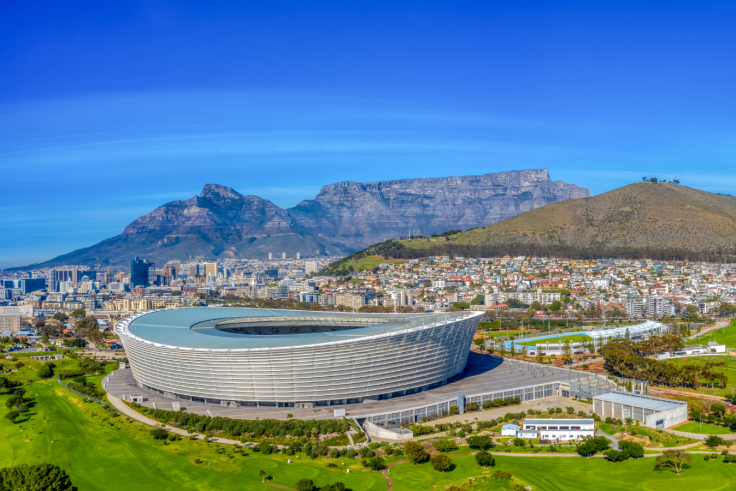
The idea of hosting a major international sporting event has always appealed to policymakers and leaders across Africa. From football's hugely popular FIFA World Cup to continental championships, the promise of billions in revenue, thousands of new jobs and an accelerated infrastructure development is obviously appealing. Yet, the real challenge lies in transforming this idea into sustainable economic growth. Moreover, local industries, such as the growing African sportsbook and iGaming sector, stand to benefit if authorities integrate them effectively into tournament planning.
The Lure of Mega-Tournaments
Hosting a mega-tournament isn't just about national pride. Countries also see big tournaments as a way to boost broadcast rights fees, sponsorship deals and corporate hospitality packages.
Historically, events like the FIFA World Cup have generated upwards of $6 billion in direct spending for a single host nation. African countries hope these events will attract foreign investors and put their markets on the map globally.
Creating Jobs Beyond the Pitch
One of the most immediate benefits is job creation. Construction workers build stadiums, hotels and transport infrastructure. Event management companies recruit thousands of temporary staff for security, ticketing and broadcast operations. Hospitality sectors hire chefs, cleaners and front-of-house teams to cope with the potential large numbers of tourists.
According to the Confederation of African Football, the Africa Cup of Nations generated over 100,000 direct and indirect jobs in its most recent edition. And, AFCON has brought in a lot of funds to. But do these jobs remain once the event is over?
Infrastructure and Urban Development
A lasting economic impact is typically centred on infrastructure investments. High-speed rail links, expanded airports and upgraded roads can reduce travel times and enhance incoming trade. South Africa's 2010 World Cup prompted a complete overhaul of its Gautrain system, which today serves thousands of daily commuters.
Similarly, Egypt's recent expansion of the Suez City Stadium area aimed to create mixed-use developments combining residential, retail and entertainment zones. Actions like this can help growth in the cities, when planned properly.
Boosting Tourism and Hospitality
Sporting events draw global audiences too, both on-site and via broadcast channels. Visitors flock to matches, fan zones and side events, bringing more money to hotels, restaurants and tour operators.
Data from the 2019 Africa Cup of Nations shows that tourism revenues rose by 12 percent in host cities during the tournament period. In addition to some of these more immediate spikes, well-marketed tournaments can position host destinations on long-term travel itineraries.
African safari lodges, coastal resorts and cultural heritage sites can utilise this attention to secure bookings even when the competition ends.
The Role of Sportsbook and Local Enterprises
Local businesses, especially in the digital sector, have a role to play. Africa is home to an emerging betting industry, which can tap into the event by offering regionally tailored betting, fantasy leagues and interactive fan-engagement platforms.
Partnering with official tournament organisers and securing sponsorships grants legitimacy and expands user bases.
Financial Windfalls and Risks
While the upside can be huge, it's worth pointing out that mega-tournaments carry substantial financial risks too. These include unforeseen cost overruns, white elephant stadiums and underutilised infrastructure, which can burden taxpayers with long-term debt.
African hosts must therefore implement strict cost controls and transparent bidding processes. Public–private partnerships can reduce risk by sharing both expenses and rewards. Transparent legacy plans, overseen by independent auditors, will help guarantee that the promised economic benefits actually appear.
Long-term Economic Legacy
A successful legacy strategy goes beyond the closing ceremony. Repurposing stadiums into community centres, turning athlete villages into affordable housing and maintaining expanded transport networks all contribute to sustained growth within the country or city.
South Korea's post-2002 World Cup trajectory demonstrates this as many venues were turned into training academies and improved highways helped increase domestic tourism. African hosts can learn from this by collaborating with local universities, NGOs and private developers to devise multi-use facilities.
Conclusion
Mega-tournaments present Africa with an opportunity to fast-track infrastructure, create employment and boost foreign investment. Yet the line between success and short-lived spectacle is a fine one.
By prioritising sustainable urban planning, integrating local enterprises and enforcing financial oversight, host nations can ensure that the billions spent translate into economic growth over the years.
© Copyright IBTimes 2026. All rights reserved.