'Festive Liqueur' Recalled After Glass Found in Bottles, Officials Warn It's Unsafe to Drink
Authorities have issued an urgent recall of a festive liqueur after reports that glass fragments were discovered inside some bottles, prompting safety warnings to consumers.
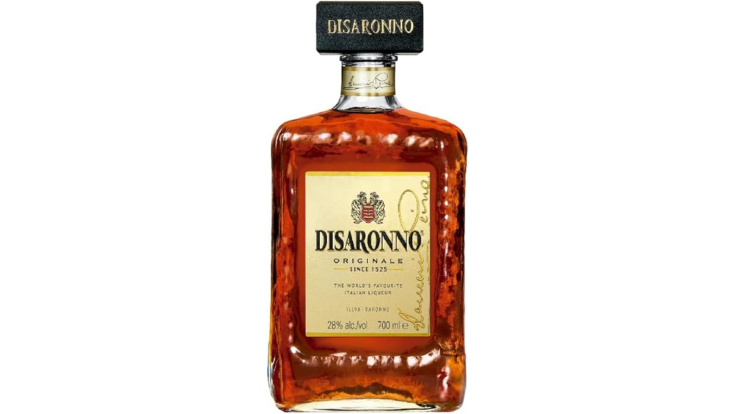
One of the world's most recognisable festive liqueurs has been pulled from shelves across the UK after fears emerged that certain bottles may contain tiny fragments of glass.
Disaronno Originale, the popular almond-flavoured Italian spirit often enjoyed during Christmas gatherings, became the focus of an urgent Food Standards Agency (FSA) recall on Tuesday, 9 December 2025.
The recall, affecting England, Scotland and later the Republic of Ireland, was triggered after the manufacturer, Illva Saronno S.p.A., detected a production fault that may have allowed micro-glass particles to enter a limited number of 700ml bottles.
With the festive season in full swing, a time when Disaronno is frequently purchased as a gift or served at celebrations, the warning has prompted widespread concern and a rapid response from retailers and public health authorities.
Which Bottles Are Affected?
Only 700ml bottles of Disaronno Originale are included in the UK recall. Consumers are urged to locate the batch code on the bottle label and check it against the list. No other bottle sizes or Disaronno products are involved.
While separate alerts were issued for the Republic of Ireland (by the FSAI) for different batches, the UK alert is limited to seven specific batch codes identified as 25374, 25375, 25381, 25382, 25435, 25442, and 25444.
Illva Saronno S.p.A. confirmed that the contamination was due to an 'anomaly on a bottling line,' which resulted in the 'possible presence of foreign bodies (micro-fragments of glass)' in some of the units.
Retailers stocking the product, including major supermarkets like Tesco and Sainsbury's, are now required to display notices instructing customers on how to return the affected liqueur.
The Immediate Safety Warning
The primary concern of the FSA and the manufacturer is the potential for injury that consuming the contaminated drink could cause. In its urgent warning, the FSA strongly advised consumers: 'If you have bought the above product, do not consume it. Instead, return it to the store from where it was bought for a refund or replacement.'
The decision to issue a swift and widespread recall underscores the severity of the threat posed by glass fragments in a consumable product.
While the contamination is limited to specific batch codes, the nature of the festive retail season, in which such liqueurs are often bought as gifts or for seasonal celebrations, means the affected bottles could be widely dispersed across households.
The manufacturer issued an apology for the inconvenience, stressing that consumer safety remains its paramount priority in handling the situation.
Action Required for UK Consumers
For UK residents who have purchased the 700ml bottle of Disaronno Originale, the immediate action is to check the batch code printed on the bottle. The affected codes are particular and indicate the batches produced during the period when the bottling anomaly occurred.
Customers do not need a receipt to return the product. The process is designed to be straightforward: return the contaminated bottle to the point of purchase, whether it be a major supermarket or a local off-licence, to receive a full refund or an uncontaminated replacement bottle.
The simplicity of the return process is intended to maximise the number of bottles recovered, thereby mitigating any further public health risk ahead of the busy Christmas period, when the sales and consumption of festive spirits peak. Consumers can also contact Illva Saronno S.p.A. directly via email for further information.
Context of Contamination in the Drinks Industry
While a recall for glass contamination is rare, it is not an isolated incident within the global beverage industry. Often involving glass-stoppered bottles or issues with the glass manufacturing process itself, these occasionally result in recalls for both alcoholic and non-alcoholic drinks. Previous incidents have seen other popular products, from certain beer brands to whiskies, voluntarily recalled in various markets due to the risk of micro-fragments of glass.
The incident with Disaronno serves as a potent reminder of the fragility of large-scale food and drink manufacturing processes, even for established international brands. It highlights the essential role of national bodies like the FSA (and the FSAI in Ireland) in monitoring and swiftly reacting to such issues to protect the public.
Conclusion
The recall of Disaronno Originale serves as a timely reminder of how even iconic brands can face unexpected safety concerns. With millions preparing for holiday celebrations, the FSA's quick response ensures that potentially unsafe bottles are identified and removed before reaching the dinner table. For consumers, the message is simple: check your bottle, return it if affected, and avoid consumption.
As the festive season continues, public vigilance and clear communication from retailers and regulators remain essential to keeping households safe.
© Copyright IBTimes 2026. All rights reserved.
- MOST POPULAR IN National