

Andrew Remains in Line to The Throne as Parliament Takes No Action on Removing Him
Andrew stripped of titles but still eighth in line to the throne
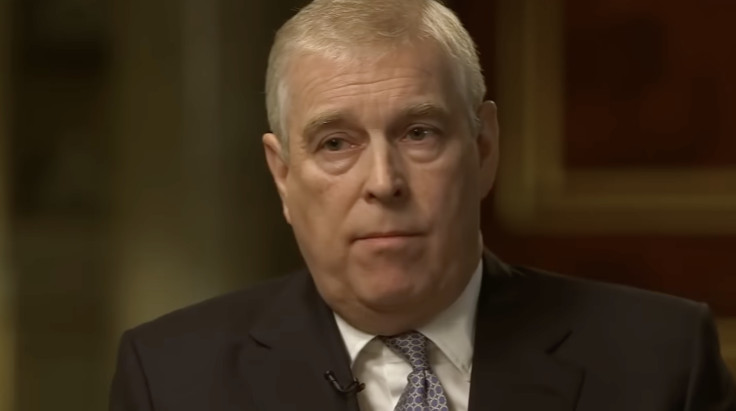
King Charles III may have kicked ex-Prince Andrew from the royal family, but not his line from the succession. Today, the disgraced royal is still eight in line to the throne, even after sexual assault claims and association with pedophile sex offender Jeffrey Epstein.
The monarchy fans are not exactly happy on the fact that Andrew is still in line, especially since he's no longer a prince and will now be known as Andrew Mountbatten-Windsor.
Royal experts, however, cleared to Fox News that King Charles III only stripped him away of his royal titles and his place from the Royal Lodge, not his succesion line.
Who Can Remove Andrew From the Line of Succession?
Only an act of Parliament and the approval of the Commonwealth realms that the King serves as monarch can remove Andrew from the succession line.
'Much to the chagrin of Prince William, heir to the throne, as well as other senior royals and the public at large, Parliament has already signaled that it has no plans to legislate Andrew out of the succession,' Royal commentator Hilary Fordwich said. 'It would also require negotiations with the Commonwealth realms'.
Critics, however, calmed the public by saying they should not be worried that he will ever come near the throne. 'There would have to be something monumentally terrible to occur — a black swan event — for the crown to pass to Andrew'.
As Queen Elizabeth II's second son, Andrew is still eighth in line to the throne, although he has been stripped of his titles, honors, and public duties. When he was born, he was originally second in line.
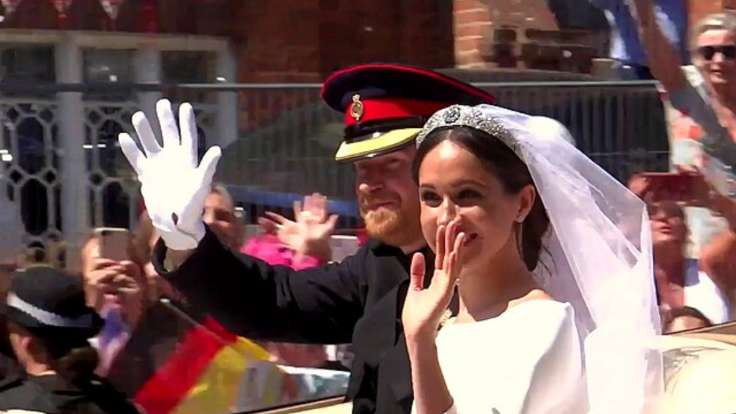
With the addition of both children and grandchildren, Charles moved Andrew further down the order. At present, he is behind Prince Harry's two children, 6-year-old Prince Archie and 4-year-old Princess Lilibet.
Full Epstein Files May Force the Parliament
Fordwich stated that taking Andrew would be improbable as it would require complicated laws and agreement from the Commonwealth realms. There are three ways the monarchy can remove Andrew from the line of succession.
First, Fordwich noted the need 'to change the legal framework for succession of the hereditary throne', referring to direct descendants of Queen Elizabeth II. Second, Andrew would need to 'voluntarily abdicate his claim', which he is unlikely to do.
Third, the public can express such 'indignation' that Parliament and the Commonwealth realms may be pressured into a 'symbolic removal of Andrew' from the succession. This could only occur following the full release of the Epstein files, which the UK government believes will shed more light on Andrew's activities and connections to Epstein.
Andrew had already ceased performing royal duties in 2019 when his BBC interview in which he attempted to justify his friendship with Epstein, received flak. Shortly after that, Virginia Giuffre, an American woman who claimed that she was trafficked by Epstein and forced to have sex with the royal thrice, came up with more allegations against him.

In recent months, the leaked emails implied that Andrew was communicating with Epstein even after he claimed to have cut off his ties. Experts have cautioned that new claims or allegations might still be coming up, and a quick parliamentary action would be sending a message of putting people in charge accountable.
At present, his daughters, Princesses Beatrice and Eugenie are still holding on to their titles as the granddaughters of a sovereign. Both are still welcome in the royal family to support the monarchy through royal duties.
© Copyright IBTimes 2026. All rights reserved.