Patricia Heaton's Secret MAGA Network of Hollywood Conservatives Unravelled by IRS Pressure
One quiet question, 'Are you FOA?', let conservative stars find allies safely on set

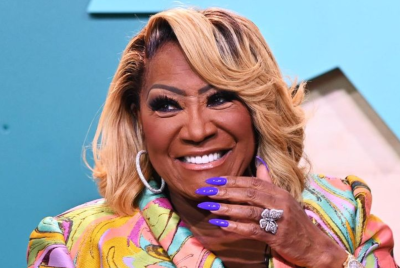
Patricia Heaton says conservative Hollywood insiders built a secret club that swelled to as many as 3,000 members, until the Internal Revenue Service (IRS) demanded their names and threatened the very secrecy the network was built to protect.
The 'Everybody Loves Raymond' and 'The Middle' star described the group, called Friends of Abe, on Andrew Gold's 'Heretics' podcast. She said right-leaning members learned to spot each other quietly during years when speaking openly about conservative politics felt risky in the industry.
How the 'FOA' Code Worked
One member could ask another, 'Are you a friend of Abe?' or 'Are you FOA?', and a yes marked the person as a conservative, an independent, or at least not a Democrat
Heaton said the phrase let people talk without fear of professional fallout. 'You could ask someone if they are a friend of Abe, or FOA,' she said, and a positive answer meant a colleague they could finally speak with openly.
The group took its name from Abraham Lincoln, the first Republican US president. Heaton framed it as fellowship rather than activism. 'All it was was fellowship. We weren't raising money for candidates,' she said.
From a Living Room to Thousands of Members
Friends of Abe formed in the mid-2000s, founded by actor Gary Sinise and a small circle of collaborators. Heaton said Sinise asked her and her husband, actor David Hunt, to host one of the first gatherings at their home.
They expected a few dozen guests. Around 80 turned up. From there, the network grew, eventually claiming a website, an executive director, and a membership Heaton put at 2,000 to 3,000 people, though reported estimates generally sat closer to 1,500. Its ranks reportedly included Jon Voight, Kelsey Grammer, and Clint Eastwood, yet the group guarded its list so tightly that it banned cameras at events.
Why the IRS Demand Changed Everything
The secrecy became a problem once the group sought recognition as a 501(c)(3) nonprofit, a tax-exempt status that lets an organisation accept tax-free donations. During a review that ran for roughly three years, the IRS asked for enhanced access to the group's password-protected website, a step that would have exposed member names.
Tax specialists noted at the time that membership lists are not usually required. For a network built on anonymity, the request struck at its reason for existing. The clash unfolded while Congress examined claims that the IRS had unfairly targeted conservative groups seeking tax-exempt status, which deepened distrust on the right. The group refused, and the standoff drew national attention in early 2014 before the IRS finally granted the status.
The Network Winds Down
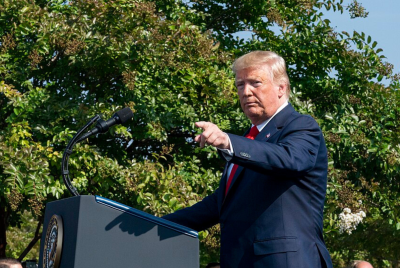
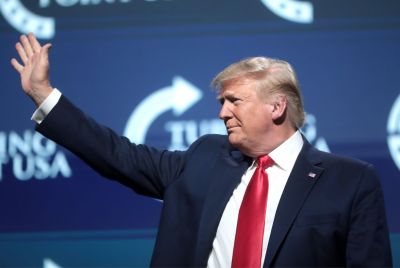
Friends of Abe formally dissolved in 2016. Executive director Jeremy Boreing told members the community had outgrown the need for paid events and costly infrastructure, though observers linked the timing to bitter splits over Donald Trump's first presidential campaign. The fellowship regrouped informally a few years later, but the formal, tax-exempt organisation never came back.
Heaton's account lands as US conservatives argue again over whether Hollywood punishes dissent. Her story turns a quiet piece of industry history into a sharper question about privacy, political belief, and who gets to decide what you think.
© Copyright IBTimes 2026. All rights reserved.
- Recommended For You