

Home Office: New Visa Rules Could Cost UK Economy £2.2bn–£10.8bn Over Five Years
Student visas see the graduate route shortened to 18 months from 2027, alongside a proposed levy on universities' international fee income
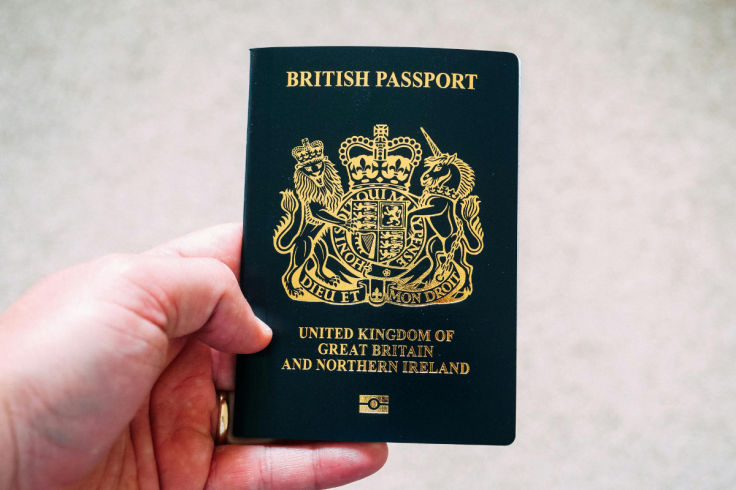
The UK government's latest visa restrictions could deliver a blow to the economy of between £2.2 billion ($2.9 billion) and £10.8 billion ($14.4 billion) over five years, according to a Home Office impact assessment published this week. The central estimate stands at £5.4 billion in net fiscal costs, stemming from reduced migration inflows, lost visa fees, and lower tax revenues.
These reforms, part of efforts to curb net migration, target skilled workers and end overseas recruitment for care roles. As of 11 December 2025, the changes have already led to sharp drops in visa issuances, with health and care grants down 89 per cent from their peak.
Sweeping Changes to Immigration Rules
The Spring 2025 Immigration Rules overhaul restricts skilled worker visas to roles at graduate level or above, equivalent to RQF 6, barring medium-skilled occupations unless temporarily exempted via the Immigration Salary List. Salary thresholds have risen from £38,700 ($51767) to £41,700 ($55780), and dependants face tighter limits, with no family members allowed for those on time-limited shortage visas.
For care workers, the visa route closed entirely in July, affecting SOC codes 6135 and 6136, though existing holders can extend under transitional arrangements. Settlement pathways now stretch to ten years for most, up from five, with extensions to 15 or 20 years in some cases, and stricter English language requirements at B2 level starting next month. Partners on work visas must qualify independently for indefinite leave, and all remain barred from public funds.
Student visas see the graduate route shortened to 18 months from 2027, alongside a proposed levy on universities' international fee income. These measures, rolled out in stages since May, aim to prioritise high-skilled talent while boosting domestic training.
Fiscal Costs and Broader Economic Effects
The Home Office projects a net present social value loss ranging from £2.2 billion ($2.94 billion) to £10.8 billion ($14.45 billion) over the 2025/26 to 2029/30 period, with the central figure at £5.4 billion. This breaks down into £500 million to £800 million in foregone visa fees and health surcharges, plus £1.4 billion ($1.87 billion) to £9.5 billion ($12.71 billion) in reduced tax income from fewer migrants and their dependants.
Public service pressures ease by £3.5 billion ($4.68) to £4.7 billion ($6.29) due to lower demand, but overall, the reforms could shrink GDP by 0.35 to 0.9 per cent annually. Assumptions hinge on migration baselines, with low and high scenarios varying inflows by 25 per cent; for instance, skilled worker main applicants average 36,000 out-of-country annually, with 41 per cent in affected medium-skilled roles.
Sectors like social care, transport, and universities bear the brunt, with the latter facing £1.2 billion ($1.61 billion) in lost tuition revenues. Businesses may adapt through automation or local hiring, but risks include offshoring and service gaps, particularly in health where visa grants have plummeted. Unquantified benefits include productivity gains from upskilling the UK workforce, potentially offsetting costs if 44 per cent of lost roles are filled domestically.
Reactions from Stakeholders
Prime Minister Sir Keir Starmer described the visa drop as 'a step in the right direction' amid falling net migration. However, Dr Dora-Olivia Vicol, CEO of the Work Rights Centre, warned that 'the restrictions could add a major blow to public finances,' highlighting certain losses in taxes against uncertain gains in workforce upskilling.
On X, the Home Office highlighted revoking 1,948 sponsor licences to curb exploitation, giving British workers 'a fairer chance' in the job market.
Rogue employers abuse the visa system to undercut British workers by underpaying and exploiting migrant labour.
— Home Office (@ukhomeoffice) September 11, 2025
We have revoked 1,948 licences from businesses, preventing them from hiring internationally and giving British workers a fairer chance to compete for jobs.
Net migration is forecast to fall by 214,000 over five years, with annual reductions reaching 40,000 to 54,000 by 2029/30. While fiscal costs dominate the assessment, officials note potential long-term upsides in labour market adjustments. Consultations on settlement rules continue until February, as UK visa restrictions reshape immigration policy.
© Copyright IBTimes 2026. All rights reserved.