

Houthis Warn Saudi Aramco Shareholders to Sell 'Before It's Too Late' as Attacks on Oil Facilities Escalate
Aramco shares have swung amid escalating threats to Saudi energy infrastructure
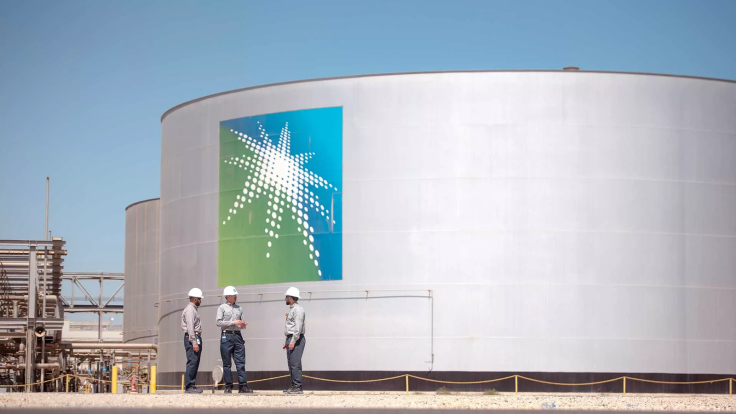
Yemen's Houthi movement has urged shareholders in Saudi Aramco to sell their holdings 'before it's too late,' escalating pressure on the state-owned oil giant as attacks and threats against Saudi infrastructure intensify.
A military source quoted by the Houthi-run Saba news agency on 18 October also warned workers, employees, and civilians to stay away from Saudi oil facilities. The source declared Saudi airspace unsafe, except over Mecca and Medina, but did not identify a specific facility for a future attack or provide a timetable for further action.
The warning comes after an attack struck an administrative building at Aramco's Dhahran complex on 13 October, causing a limited fire, according to Saudi authorities. The developments have put renewed attention on the vulnerability of Saudi energy infrastructure, although damage to an office building does not by itself establish that oil production or exports have been disrupted.
Aramco Faces Threats Beyond Its Headquarters
The Houthis have warned that Saudi airports and oil facilities could face further attacks. Their latest message to investors adds an economic dimension to the military threats, seeking to influence confidence in one of the kingdom's most important companies.
Aramco is a central pillar of Saudi Arabia's economy and a major supplier to global energy markets. An attack that disrupts production, processing or export infrastructure could have consequences beyond the company's share price, depending on the facility involved and the duration of any interruption.
However, the latest shareholder warning did not specify which assets might be targeted. Nor did it establish that another strike was imminent. Investors therefore face a distinction between a heightened security threat and evidence of actual operational damage.
The Dhahran incident illustrates why that distinction matters. Saudi Arabia's Energy Ministry reported a limited fire at an administrative building, but the available information does not establish that the attack interrupted crude production or exports.
Missile and Drone Incidents Widen Security Concerns
The escalation has extended beyond Aramco's premises. Saudi authorities have reported missile and drone interceptions, while Civil Defence said a projectile struck a residential area in Najran, injuring six people. The Saudi-led coalition also reported intercepting two ballistic missiles directed towards Khamis Mushait. These incidents underscore the wider security challenge facing the kingdom as the conflict with the Houthis intensifies.
The group's declaration that Saudi airspace is unsafe, apart from the areas over Mecca and Medina, should be understood as a Houthi warning rather than an official Saudi aviation restriction. The statement does not itself establish a change to Saudi airspace rules.
The competing military actions also complicate the outlook for companies operating in the region. Security measures, temporary closures, or damage to critical facilities could affect business operations, but the scale of any economic consequences will depend on what happens next.
Aramco Shares Reflect a Volatile Market
Aramco's share-price movements show how quickly sentiment has shifted during the latest tensions. The stock fell 1.6% on 14 October following the attack on its Dhahran complex, then rose 2.1% on 18 October before slipping 0.3% in early trading on 19 October, according to market reporting.
The rebound is important context: the stock has not moved steadily downwards throughout the escalation. Nor do the figures establish that the Houthis' latest warning caused the subsequent decline. Wider regional tensions and changing oil-market expectations can also influence Gulf equities.
For shareholders, the key indicators to watch are whether further attacks damage facilities involved in production or exports, whether Aramco reports operational interruptions, and how Saudi authorities respond to the threats.
The Houthis' call to sell is a statement from a party involved in the conflict, not independent financial analysis. Its warning raises questions about security and investor confidence, but it does not determine the company's future share price. The longer-term impact will depend on whether threats translate into sustained damage or disruption to Saudi Arabia's energy infrastructure.
© Copyright IBTimes 2026. All rights reserved.