

How Did Dolly Parton Die? Representative Confirms 'Brief Battle With Cancer' at Age 80
The country music legend died surrounded by loved ones at a Nashville cancer centre, days after speaking publicly about her recent health struggles
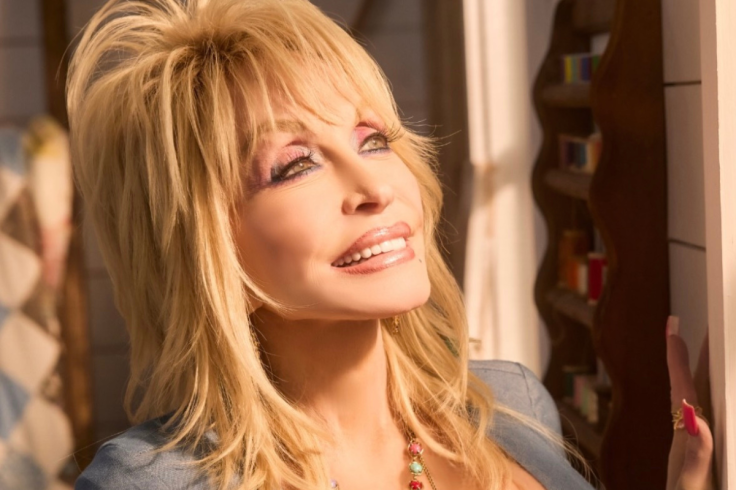
Dolly Parton died in Nashville, Tennessee, on Tuesday, 25 August, aged 80, after her representatives said she had faced a 'brief battle with cancer'. She died at the Vanderbilt-Ingram Cancer Center surrounded by loved ones, according to a statement provided to People.
The type of cancer has not been disclosed. Her representatives did not publicly connect the diagnosis to the unspecified health issues Parton had discussed days earlier, leaving some details of her final illness unclear.
Dolly Parton's Final Health Update
The news came after Parton acknowledged that she had been dealing with health problems in an interview published on 21 August, just four days before her death. She said she had previously neglected her own health while caring for her husband, Carl Dean, who died in March 2025.
'It's not like I haven't been through hard times with my health,' Parton said. She added that social media could magnify personal health developments but insisted she was still working. 'Even though I'm still healin', I'm still workin'!' she told People.
At the time, Parton was discussing plans for a SongTeller Hotel and Dolly's Life of Many Colors Museum in Nashville. She was also developing avatar performances, a dog-treat line with Purina and Cup of Ambition Coffee.
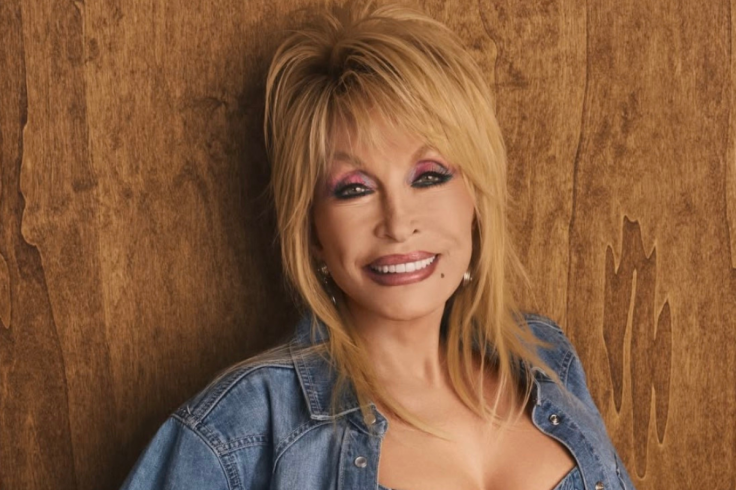
Her death was announced by her nephew, Bryan Seaver, in a video shared on Parton's official Instagram account. Seaver said Parton had asked him years earlier to make the announcement when the time came.
'She never saw a door she couldn't open, and the doors she opened made and changed history,' he said.
The detail gave the announcement a deeply personal weight. It was not simply a statement drafted by a distant publicist, but a message Parton had apparently planned years earlier, long before anyone wanted to hear it.
Dolly Parton's Cancer Diagnosis Was Not Public
Parton's representatives later confirmed that cancer was the cause of death in a statement describing the singer's final hours.
'Our beloved Dolly Parton spent her life and career bringing joy, laughter, hope and integrity into everything she touched,' the statement said.
It praised her philanthropic work, including the Imagination Library and her support for research linked to a vaccine used around the world. The statement concluded that Parton had 'bravely' faced a brief battle with cancer before dying at Vanderbilt-Ingram Cancer Center.
The wording confirms the broad cause of death but not the medical specifics. There has been no public disclosure of the type or stage of cancer, or when Parton was diagnosed.
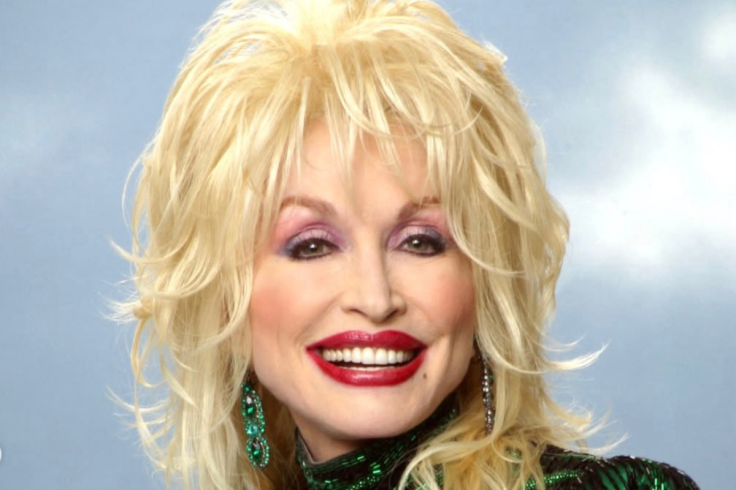
Parton had reportedly been admitted to Vanderbilt-Ingram Cancer Center on 21 August, although earlier reports described her condition only as unspecified health problems. Her representatives' later statement confirmed that she died at the cancer centre four days later.
The timing has prompted renewed attention to her final interview. Yet the public record remains limited. Parton said she was unwell and recovering, but she did not publicly announce a cancer diagnosis before her death.
The Songs Dolly Parton Wanted Remembered
Parton had spoken openly about how she wanted her funeral to sound. In a 2014 interview with Entertainment Weekly, she said she expected 'I Will Always Love You' to be played after her death.
The song was originally written as a farewell to Porter Wagoner when Parton left his television show to pursue a solo career. Whitney Houston's version later became one of the most recognisable recordings in popular music. Parton recalled hearing the song at Houston's funeral in 2012.
'When they picked her coffin up and started in on that song, I started to cry,' she said. 'That's when it hit me that she was really gone.'
But another song held a more intimate meaning. Parton said she hoped her family would sing 'If We Never Meet Again', an old country-gospel song that had been her father Lee Parton's favourite. The family performed it at his funeral after his death in November 2000.
'That was my daddy's favourite,' Parton said. 'We did sing it at his funeral, and I would like it to be sung at mine.'
The contrast is telling. One song represents Parton's public legacy, carried across radio stations, films and generations of singers. The other belongs to the family history beneath the wigs, rhinestones and stadium lights.
Parton leaves behind a catalogue that includes 'Jolene', '9 to 5' and 'Coat of Many Colors', alongside a business and charitable legacy that extends far beyond country music.
Her Nashville projects were still being prepared for visitors when her death brought an abrupt end to the future she had described only days earlier.
The SongTeller Hotel and Dolly's Life of Many Colors Museum were among the major projects she was still promoting shortly before her death. The museum has been billed as the largest exhibition dedicated to Parton's life and career.
© Copyright IBTimes 2026. All rights reserved.