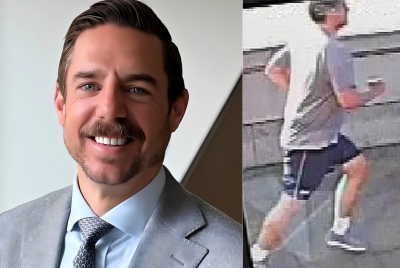
Putney Pusher Case: The Coroner Is Legally Barred From Naming Whoever Shoved a Woman Into the Road
An inquest asks only how Nicholas Brandram died, so the 2017 bridge attack sits outside what it can decide
Nicholas Brandram died in west London this month, and a file on his death is now going to a coroner. That coroner cannot frame a determination so that it appears to determine criminal liability on the part of a named person or civil liability.
Detectives arrested Brandram in June and released him without charge, and the Metropolitan Police say his death is not suspicious. An inquest will establish who he was and how, when and where he died. The woman was 33, and the investigation has run for nine years without anyone being charged.
What an Inquest Can Actually Decide
An inquest is a fact-finding hearing, not a trial, and nobody stands accused in one. Under section 5 of the 2009 Act, the investigation must establish who the deceased was and how, when and where he died. Section 10 then stops a coroner from making any determination that appears to establish criminal liability on the part of a named person or civil liability. The Criminal Law Act 1977 abolished the coroner's power to commit someone for trial.
That bar holds even for a narrative conclusion, the longer form a coroner uses to set out how a death happened. Crown Prosecution Service guidance states plainly that a coroner cannot place blame on any person. Rule 8 of the Coroners (Inquests) Rules 2013 requires a coroner to complete an inquest within six months, or as soon as reasonably practicable after that. Brandram's inquest will examine the circumstances of his death in west London.
Nine Years, Three Arrests, and No Charge
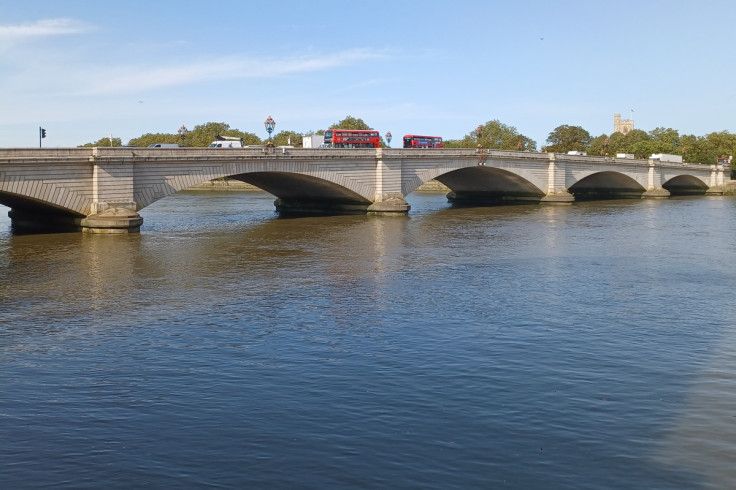
A male jogger knocked a 33-year-old woman into the road at about 7:40am on Friday 5 May 2017, as she crossed Putney Bridge towards the Tube station. A double-decker bus swerved and narrowly missed her. Passengers got off the bus to help, and she suffered minor injuries. Minutes later, the jogger ran back over the bridge, and she tried to speak to him. He did not acknowledge her and kept running.
Detectives interviewed more than 50 men and arrested three of them in 2017. Officers held Eric Bellquist, a private equity partner, at his Chelsea home on 10 August, then cleared him two days later when he proved he had been in the United States. They arrested a second man and released him the same day. In 2018, the Metropolitan Police closed the case, then reopened it this year after new information emerged.
Where the Case Goes Now
The arrest came on 15 June, when officers held Brandram, then 44, on suspicion of attempted grievous bodily harm. The Metropolitan Police said at the time that 'inquiries continue'. Officers then released Brandram under investigation, and nobody ever charged him. He died three months later, and he can no longer answer the allegation for himself.
Brandram's family have criticised the pressure they say the Metropolitan Police put on him in the months before his death. The force has not said whether it will close the file for good. No court has ever ruled on what happened on that bridge, and Brandram can no longer face criminal proceedings over the allegation.
© Copyright IBTimes 2026. All rights reserved.
- Recommended For You