

'He's A Real Horndog': Nvidia's Jensen Huang Allegedly Had A Third Affair With A Company Employee
The latest report follows Huang's admission of infidelity and comes as Nvidia examines allegations involving workplace relationships and possible foreign intelligence links
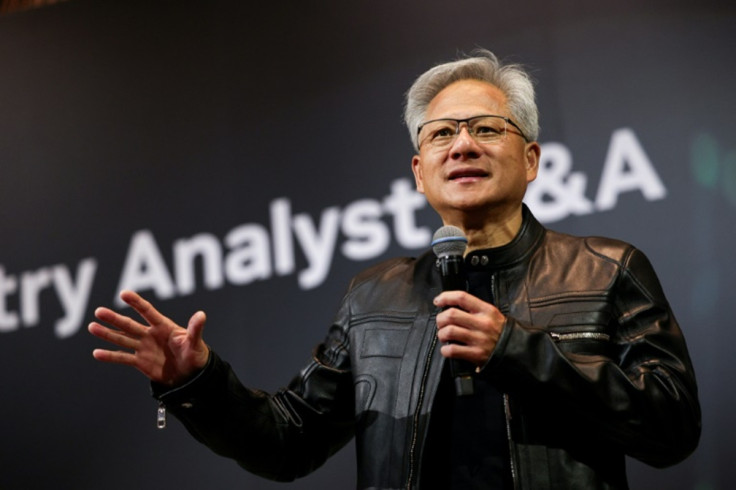
Nvidia co-founder Jensen Huang is facing renewed scrutiny in recent days after a report alleged that he had a third extramarital relationship with another employee. Reuters reported the latest allegation on 12 November, citing two people familiar with the matter. The woman was not identified, and Reuters said it had been unable to reach her for comment. Nvidia declined to comment, while Huang and a representative for the company's board did not respond.
The report adds to a scandal raising questions about corporate leadership, workplace relationships and national security. Online, some users called Huang a 'real horndog'. That phrase is a social media reaction, not a verified statement from someone involved in the allegations.
A Third Alleged Relationship Comes to Light
According to Reuters, the newly reported relationship was with another Nvidia employee, separate from the two women previously linked to Huang. The agency cited two people familiar with the matter but did not publish the employee's name.
The latest relationship has not been publicly acknowledged by Huang, and the employee has not been named. Nvidia's lack of comment does not independently confirm the allegation.
The report followed coverage of two other alleged affairs. One involved Alice Huang, a businesswoman associated with Singapore-based technology company Megaspeed. The New York times reported that US intelligence officials suspected she was connected to Chinese intelligence, an allegation that has not been established in court and has been denied by Beijing. Jensen Huang and Alice Huang are not related.
The other reported relationship involved Kimberly Powell, Nvidia's vice president of healthcare, who reportedly worked under Huang. The New York Times reported the allegation, citing five people who worked at the company. Neither Huang nor Powell has publicly confirmed that relationship.
Huang Previously Acknowledged Infidelity
On 8 November, Huang sent a message to Nvidia employees acknowledging that he had been unfaithful to his wife. He apologised to his family and colleagues, accepted responsibility for the hurt caused and said the company's board had begun an independent investigation into national security concerns raised in news reports.
His statement did not identify the person involved or confirm the latest Reuters report.
The developments have put pressure on Nvidia, one of the world's most influential makers of artificial intelligence chips. Its products are central to the AI industry, while its business with customers and intermediaries has attracted scrutiny amid US restrictions on advanced chip exports to China.
Leadership Questions Mount After Resignation
On 12 November, Nvidia announced that Huang had resigned as chief executive, president and a member of the board, effective immediately. The company appointed chief financial officer Colette Kress as interim CEO while it considers a permanent successor.
The developments came as Nvidia's independent directors, working with outside legal counsel, investigated whether Huang had been targeted by a foreign intelligence operation. The investigation followed reports raising questions about his personal relationships and potential national-security implications.
The allegations should not be treated as proof that company information was compromised or that Huang knowingly assisted a foreign government. Those questions remain subject to investigation.
For now, the third alleged affair remains an account attributed to two unnamed sources. Reuters has not identified the employee, and Huang has not publicly commented on that specific report. Further verified information may clarify what happened and what consequences, if any, follow for Nvidia.
© Copyright IBTimes 2026. All rights reserved.