

Trump's Commerce Secretary Reportedly Blocked Crackdown on Suspected Nvidia Chip Smuggling to China
Singapore is investigating Megaspeed over suspected illicit chip transfers, while the company denies wrongdoing

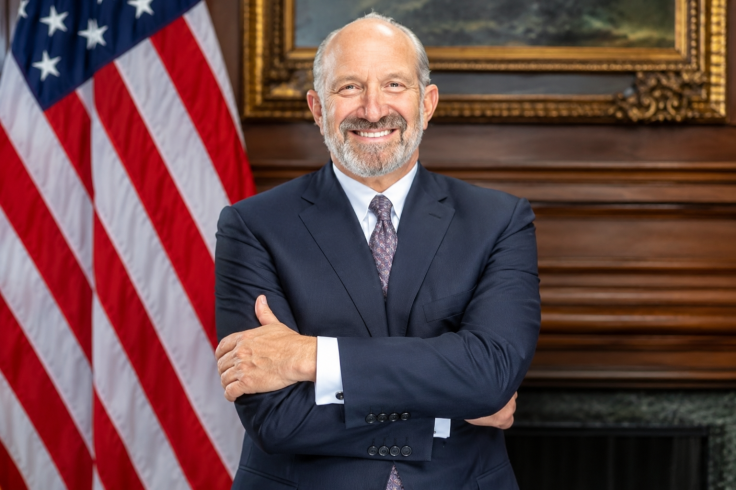
President Donald Trump reportedly approved action against suspected diversions of advanced Nvidia chips to China three times this year. Yet Commerce Secretary Howard Lutnick repeatedly resisted the proposed restrictions, exposing divisions within the administration.
The dispute centres on Megaspeed, a Singapore-based technology company accused of facilitating the transfer of restricted American chips to China. Officials alleged that Lutnick spent the past year reversing colleagues' efforts to act against the company.
Lutnick Faced Pressure From Senior Trump Officials
The disagreement reportedly escalated during a White House Situation Room meeting on 5 November. Treasury Secretary Scott Bessent challenged Lutnick over the Commerce Department's failure to place Megaspeed on its Entity List, which restricts access to certain American goods and technologies. Defence Secretary Pete Hegseth, US Trade Representative Jamieson Greer, and Secretary of State Marco Rubio also attended.
Bessent questioned why Megaspeed had not been added despite warnings about its suspected activities. Lutnick reportedly said he would look into the matter. Commerce Undersecretary Jeffrey Kessler had also received warnings but reportedly deferred the decision to Lutnick. Officials had pressed the department to act since autumn 2025. Sources alleged that Lutnick resisted partly because he feared tighter restrictions could worsen trade tensions with China.
Trump Consulted Elon Musk Before Approving Action
The dispute continued in the Oval Office. Trump consulted technology adviser Elon Musk before agreeing to proceed with the proposed export controls. Musk reportedly supported Bessent, Rubio, Greer, and Hegseth. Lutnick warned that tighter restrictions could trigger a trade war, while others argued Beijing was already acting against American interests.
Trump ultimately backed the proposed measures and instructed officials to proceed. Lutnick reportedly suggested developing further options before implementation. The Commerce Department disputed the reported Situation Room confrontation. Spokesperson Kristen Eichamer said Bessent and Lutnick had no such conversation. Trump had reportedly approved action against suspected chip diversions in May, August, and November. However, the proposed measures had not been implemented.
Suspected Chinese Intelligence Links Raise Questions
The controversy has also drawn attention to former Megaspeed executive Alice Huang, reportedly involved in an affair with Nvidia's recently resigned chief executive, Jensen Huang. A classified memo circulated in May reportedly raised concerns about their relationship and described Alice Huang as a suspected Chinese intelligence asset. Separate reporting alleged she passed information to Beijing. The memo was reportedly shared with Trump.
Singapore's Ministry of Home Affairs rejected claims that its government or officials had expressed concerns about Alice Huang's alleged intelligence links. It said she had not been investigated personally. Police confirmed investigations into Megaspeed were ongoing. Megaspeed has denied illicit chip transfers and pledged to cooperate with US investigations. It hired an American law firm to inventory its chips and review compliance.
Lawmakers Demand Answers Over Nvidia Chip Exports
The delays have drawn scrutiny from lawmakers. On 11 November, Democratic senators Elizabeth Warren and Chris Coons asked the Trump administration to preserve documents and communications concerning Nvidia's chip exports to China. They requested a congressional briefing on the national security risks.
Senator Michael Bennet separately sought an update on the US investigation. He urged the administration to consider punitive measures, including possible placement of the company on the Entity List, and to strengthen export-control enforcement. Placement can potentially trigger licensing requirements for exports of controlled items to a listed entity, making it a significant enforcement step in cases involving advanced semiconductor technology.
The dispute has raised questions about Commerce Department enforcement of technology restrictions. For the administration, approving a crackdown is only part of the challenge. Ensuring restrictions are implemented is crucial to preventing American chips from reaching China through overseas intermediaries.
© Copyright IBTimes 2026. All rights reserved.