

Trump Administration Tried to Shut Down Pollution Lawsuit Against Elon Musk's AI Data Centre, but Federal Judge Refused
The court says Washington cannot unilaterally end a Clean Air Act lawsuit
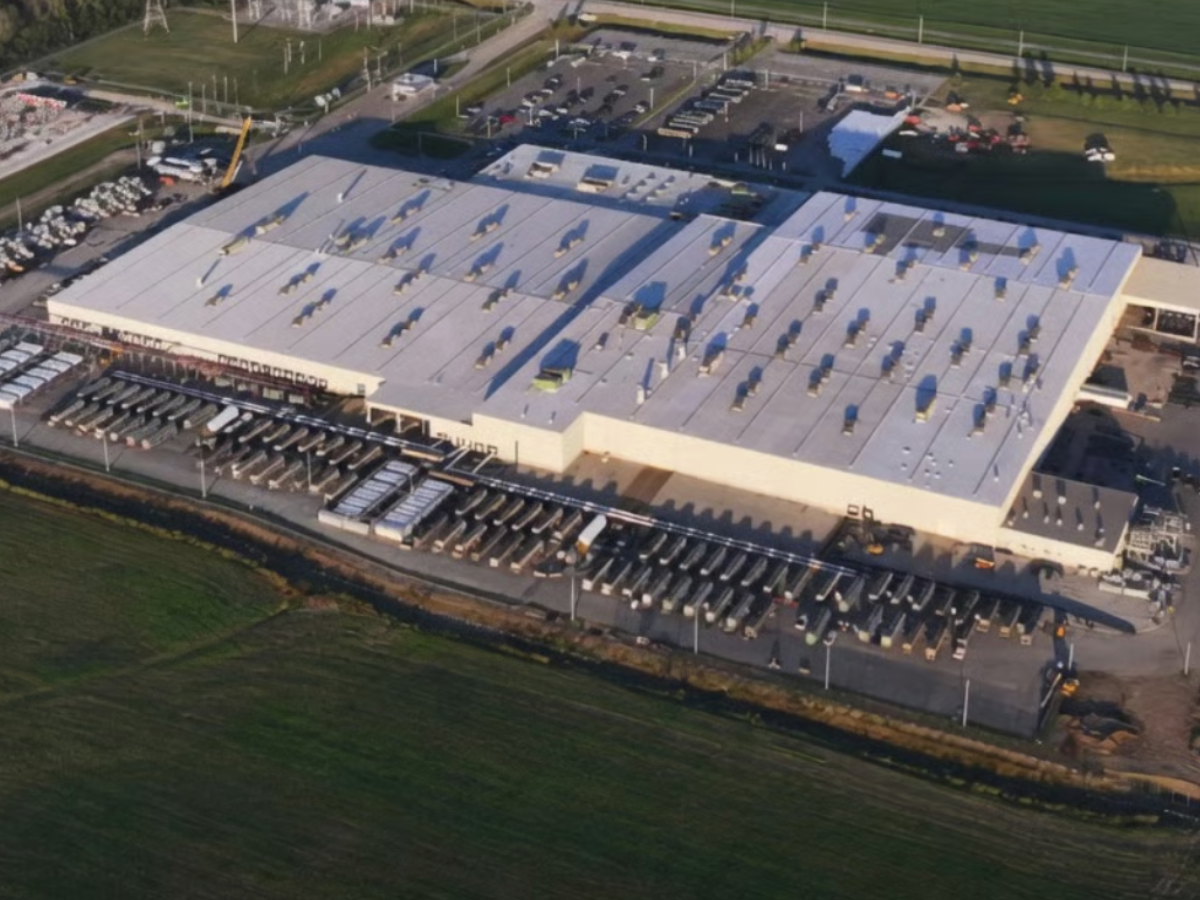
A federal judge has refused to let the Trump administration shut down a civil rights lawsuit over the air pollution from the gas turbines powering Elon Musk's artificial intelligence company, allowing the case to move forward.
US District Judge Debra Brown, who sits in the Northern District of Mississippi, denied the Justice Department's bid to dismiss the NAACP's Clean Air Act claim against xAI on 19 October.
Her ruling does not decide whether the company broke the law. It keeps alive a closely watched test of whether xAI needs federal permits for the Southaven power plant that feeds its data centre near Memphis.
Brown let the Justice Department intervene but drew a firm line on what that permission buys. In her order, she wrote that there was 'no "fairly possible" interpretation of the Clean Air Act that would give the United States the right to unilaterally dismiss a citizen suit,' and said the court did not share the 'serious constitutional doubts' the government had raised.
The national NAACP and its Mississippi State Conference filed the lawsuit on 14 April, represented by the Southern Environmental Law Centre and Earthjustice.
It names X.AI Corp., now a SpaceX subsidiary, and its energy affiliate, MZX Tech, and accuses them of running dozens of methane gas turbines without the federal air permits the Clean Air Act requires.
Dozens of Turbines, One Disputed Power Plant
The turbines sit at a site in Southaven, Mississippi, about a mile across the state line from xAI's Colossus 2 data centre in South Memphis. xAI has announced a $20 billion (about £14.9 billion) investment in the Southaven operation, which helps power Grok, the chatbot at the heart of its business.
To bring large AI data centers online requires building massive power plants, transformers, liquid cooling loops & chillers, as well as incredibly complex networking (especially for training clusters)
— Elon Musk (@elonmusk) September 1, 2026
The NAACP, which brought the case for families living near the plant, says it has the potential to emit more than 5,000 US tons of nitrogen oxides a year, a driver of smog, plus over 400 US tons of fine particulate matter and more than 47 US tons of formaldehyde. The group links those pollutants to asthma, heart disease, respiratory illness, cancer, and premature death in the homes, schools, and churches nearby.
It is not the first time the company has drawn this fight. At its first Memphis site, Colossus 1, xAI ran as many as 35 turbines that the NAACP said were unpermitted, then removed 20 and obtained permits for the remaining 15. The Colossus 2 case began with 27 turbines, a number that has climbed as the company expanded.
Why the Justice Department Stepped In
The Trump administration entered the dispute in June, asking the court to throw the case out and claiming it alone could end such suits. In a statement, the Justice Department cast the turbines as a national security matter, noting that federal agencies, including the Pentagon, rely on AI tools.
It said suits like this one amount to 'overly burdensome regulation' that can threaten 'technological growth, American energy independence and national security.' Permitting, it said, was Mississippi's job, and the state 'decided no permit was required.'
The push had already stalled once before Brown's ruling. The Fifth Circuit Court of Appeals turned down the department's request to pause the proceedings, pointing out that the district court had not yet decided the question.
What Happens Next
Civil rights and environmental groups welcomed the decision. Abre' Conner, the NAACP's director of environmental and climate justice, said the case had 'always been about holding polluters accountable and making sure that entities follow the law.' Laura Thoms, enforcement director at Earthjustice, said the court had rejected the government's 'unprecedented and alarming argument that it has unilateral and unreviewable veto power over citizen suits.'
Mississippi regulators have said the portable turbines need no permit, and through MZX Tech, xAI won a state permit in March to install 41 permanent turbines at Southaven. Those are not due to be running until 2027, with the temporary units staying in use until then, which the plaintiffs say leaves communities breathing unpermitted exhaust in the meantime.
A separate NAACP motion, filed in May, asks Brown to shut the turbines down while the case proceeds. She has not yet ruled on it.
© Copyright IBTimes 2026. All rights reserved.