Clavicular Case: Why One Count Carries a Minimum of 10 Years and Possible Life Under Massachusetts Law
Braden Peters denies the Cape Cod allegations, and the local court lacks the power to try the two felonies

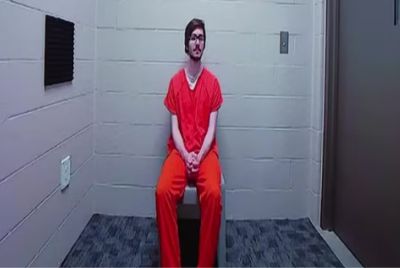
Braden Peters, the 20-year-old streamer known online as Clavicular, faces a charge that could send him to prison for life. The count accuses him of drugging a person for sex at his family's Cape Cod home on 23 May 2025. Massachusetts law sets a minimum term of 10 years for that offence.
A criminal complaint at Orleans District Court cites Chapter 272, Section 3 of state law for that count. The complaint also charges Peters with rape and with procuring alcohol while under 21. Peters denies the allegations underlying all three counts and is due in court on Wednesday 14 October.
What the Drugging Law Covers
Illegal drugs are only part of what the law covers. It applies to anyone who gives a person 'any drug, matter or thing' to stupefy or overpower them for sex. A 17-year-old girl, according to police allegations, told Chatham police that Peters encouraged her to drink at the house. Only the drugging count carries a minimum term, as the graphic below shows.

If the rape count falls under the standard offence, Chapter 265, Section 22(b), a first conviction brings up to 20 years and no minimum. The charge concerns a person under 21 purchasing or procuring alcohol, either for themselves or someone else. That charge is a misdemeanour punishable by a $300 fine; a conviction also triggers a 180-day driving-licence suspension. No court has found Peters guilty, and any sentence would follow only a guilty plea or a conviction at trial.
Why Orleans Cannot Hold a Trial
Orleans District Court can hold the arraignment, the first hearing on the charges, but cannot try Peters on the rape or drugging counts. Each is a felony, the more serious class of offence. Chapter 218, Section 26 lists the cases a District Court may try. That list covers misdemeanours, felonies with a maximum of five years, and certain named crimes. Neither count appears on it, so any trial would take place in Barnstable Superior Court.
A grand jury can send a felony case to Barnstable Superior Court by indictment, but a defendant may also waive indictment after a probable-cause finding. Local jurors hear the evidence in private. 'It's in Superior Court because there was an indictment,' said Paul Treseler, a Boston prosecutor at the time, on a state jury programme in 2015. Peters has entered no plea to any count. Mitchell Jackson, who speaks for Peters, told NBC News that Peters had not been physically served with the charges.
The Florida Civil Lawsuit
Peters' spokesperson described the charges as 'bogus' in a statement to CBS News. Peters' spokesperson said the criminal case was linked to a civil lawsuit filed by a woman. She filed it in April in Miami-Dade County, Florida, and it includes allegations of sexual misconduct at his family's Cape Cod home.
The Florida case seeks damages of more than $100,000 (about £75,000). It also says Peters injected a fat-dissolving substance into the woman's face on a livestream, without her agreement. His legal team denies that account and the other claims. No public record yet shows whether prosecutors will take the felony counts to a grand jury.
© Copyright IBTimes 2026. All rights reserved.
- Recommended For You