Trump Tells Banned CNN Anchor 'You Should Not Be Here' When He Spots Her Inside a Secure Global Briefing Room
Trump confronted Kaitlan Collins at the UN days after CNN was barred from the White House

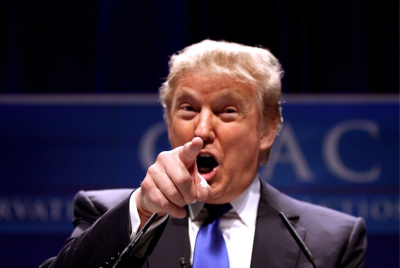
President Donald Trump confronted CNN anchor Kaitlan Collins at the United Nations in New York after spotting her among journalists covering his appearance, telling her that she 'should not be here' just days after his administration barred CNN from the White House.
The tense exchange happened on 22 September as Trump arrived at the United Nations General Assembly. Collins attempted to ask the president about the war with Iran, but Trump instead questioned why CNN was present at the event.
Trump Questions CNN's Presence
'It's an honor to be here. I'm surprised that CNN is here covering me,' Trump told Collins before continuing, 'You shouldn't be here. You should not be here covering me. You said you weren't going to cover me.'
Collins responded that the United Nations had allowed CNN into the event.
The exchange ended without Trump directly answering her question. Collins had asked when the war with Iran would end, citing polling that showed two-thirds of Americans did not believe the United States was winning the conflict.
CNN later made clear that it had not agreed to stop covering Trump. Collins said the network had been credentialed by the United Nations to cover the General Assembly, meaning the White House restriction did not prevent CNN journalists from reporting from the international organisation's headquarters.
CNN Was Recently Banned From the White House
The confrontation came only days after Trump's administration banned CNN, MS NOW and Politico from the White House.
Trump announced the restrictions on 18 September, accusing the three organisations of repeatedly reporting what he described as 'FAKE NEWS.' The outlets subsequently lost access to the White House grounds and their journalists' press credentials were revoked.
CNN, MS NOW and Politico responded by filing a federal lawsuit against Trump and members of his administration. The organisations argue that the restrictions violate First Amendment protections and improperly target them because of their coverage. A federal judge was scheduled to hear arguments in the case on 23 September.
The White House has defended its authority to restrict access, while Trump has framed the dispute as a battle against what he considers false or harmful reporting.
The Dispute Has Spread Beyond the White House
The CNN encounter also came amid a broader dispute between the Trump administration and major news organisations.
Other television networks, including ABC, CBS, NBC and Fox News, announced that they would suspend participation in the White House television pool after CNN and the other outlets were removed. The pool normally provides shared coverage of presidential events to participating broadcasters.
At the United Nations, however, media access is handled separately. CNN's journalists were able to attend using credentials issued by the UN, allowing Collins and her colleagues to continue covering Trump's visit despite the White House ban.
The brief exchange therefore highlighted the difference between restricting access to White House grounds and preventing a news organisation from covering a president at other locations.
For CNN, the confrontation was another moment in an increasingly public dispute over press access, while for the Trump administration, the broader legal battle over the White House restrictions is now moving into federal court.
© Copyright IBTimes 2026. All rights reserved.
- Recommended For You