

Katie Miller Calls Natalie Harp Profile 'This Is Gross' Over Washington Post's Family Tragedy Coverage
Miller objected to the newspaper's use of intimate details about Harp's family tragedy and its reporting on her political loyalty to Donald Trump
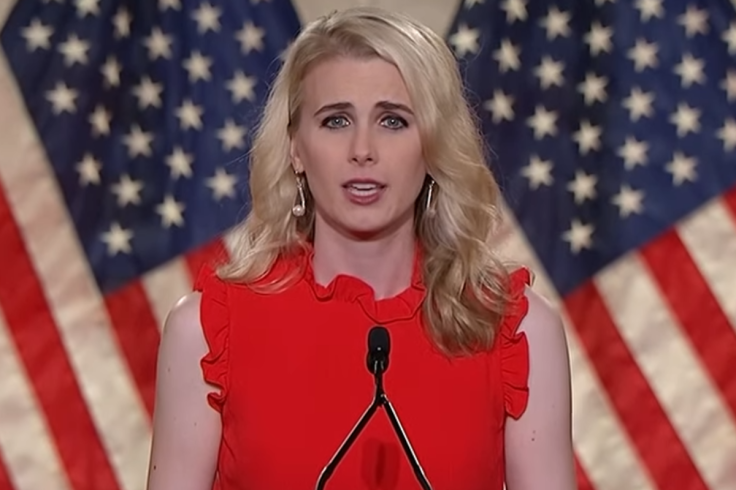
Katie Miller has condemned The Washington Post for what she called a 'gross' and 'one-sided' profile of White House aide Natalie Harp, criticising the paper for reporting in detail on the death of Harp's father in California more than six years ago.
Miller issued her complaint in a post on X on Sunday, 11 October 2026, responding to the outlet's interview with Harp's estranged brother, Preston Harp.
Miller, the wife of White House deputy chief of staff Stephen Miller, wrote that The Washington Post had published a profile that 'dwells on painful, intimate details of a private family tragedy from six years ago'. She described Harp as 'a loyal White House staffer who does not do interviews or seek media attention'.
She also objected to what she characterised as the article's suggestion that family turmoil could explain Harp's loyalty to President Donald Trump. 'The piece implies the only reason for her loyalty to President Trump is family turmoil. That framing is baseless,' Miller wrote.
Her sharpest criticism concerned the newspaper's decision to seek White House comment on the death of Harp's father. 'Imagine seeking White House comment on the tragic death of a staffer's father years earlier, unrelated to her current employment,' she wrote.
Miller added that she had 'never seen a comparable profile of a Democrat staffer' and said intimate family matters should not be 'platformed, especially when sourced solely from one side'. She ended by saying that 'Legacy Media is broken beyond repair if this is what they resort to for clicks and sales'.
The criticism prompted responses on social media, including objections to the Post's reporting and arguments about whether those discussed in the profile had been given a reasonable opportunity to respond.
Inside the Washington Post's Harp Profile
The profile, published on Sunday, 11 October, was based largely on Preston Harp's account of his family's political and personal divide. He told the newspaper that he and Natalie were homeschooled by their mother, Jill, before his involvement in a San Diego debate club introduced him to different political ideas.
Preston said he remained close to his father despite becoming estranged from his mother and sister. He described Bob Harp, a business professor at Biola University, as unsupportive of Trump and said Natalie became increasingly involved in pro-Trump politics.
According to The Washington Post's report, Bob Harp died by suicide on 17 July 2020, aged 61. Preston provided the newspaper with an autopsy report and police report, according to subsequent reporting on the article.
Harp's public profile grew after she was diagnosed with stage 2 bone cancer in 2015. In 2019, she credited Trump's health care policies with helping her in a LinkedIn post, describing herself as 'living proof' of their success. She subsequently appeared on Fox & Friends, received praise from Trump and took part in further speaking engagements.
Preston said his father struggled with isolation during the pandemic. He also said he last saw Bob in July 2020, shortly before his death.
Preston told The Washington Post that he and his family disagreed over whether to disclose the circumstances of Bob's death. The article does not establish Natalie Harp's or Jill Harp's account of that disagreement.
Why the Story Drew Criticism
The dispute centres partly on whether the profile draws an adequately supported connection between Harp's family experiences and her political loyalties. Miller argued that the newspaper's treatment of the family tragedy was unjustified, while some critics of the report focused on whether it had given those involved a reasonable opportunity to respond.
The Washington Post's report says that the newspaper sought comment from Harp and her mother.
The dispute highlights a broader question about the boundaries of reporting on public officials' private lives. Miller criticised the profile's treatment of the family tragedy, while others focused on whether the newspaper had given those involved a reasonable opportunity to respond.
© Copyright IBTimes 2026. All rights reserved.