

Prosecution Rests on Lindsay Clancy's Case: 3 Important Points Overlooked by On-Court Drama
Examining the pivotal evidence and mental health claims in Lindsay Clancy's murder trial
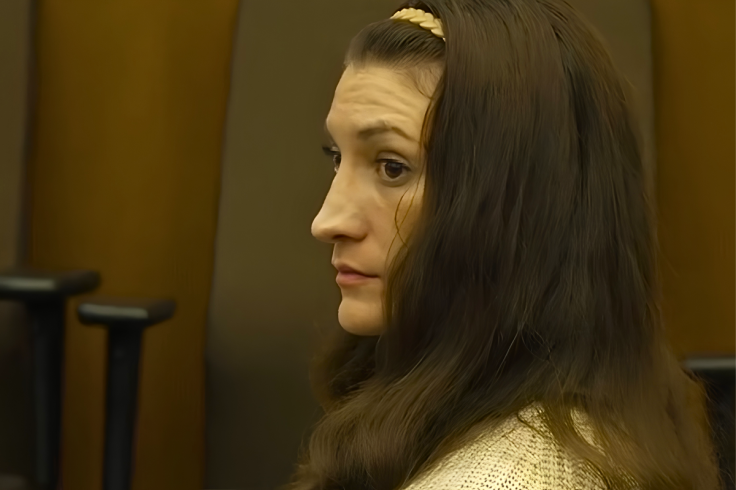
The prosecution has rested its case against Lindsay Clancy after calling nearly 70 witnesses in the murder trial over the deaths of her three children, in which the 36-year-old mother admits killing Cora, Dawson and Callan but argues she was not criminally responsible because of postpartum psychosis.
The prosecution's presentation included testimonies from relatives, medical professionals and first responders. Amid this evidence, several details could prove significant as jurors consider whether Clancy was conscious of her actions or whether her mental state shows otherwise.
Three Key Issues for Jurors
News reporter Sera Congi, who followed the recent proceedings from the courtroom, highlighted three aspects that could be critical for the jurors.
1. The 14-Second Phone Call
One of the most closely examined pieces of evidence is a brief telephone conversation between Lindsay and her husband, Patrick Clancy, on the night of the children's deaths.
Patrick testified that he called his wife but initially received no answer. Lindsay later returned the call and the couple spoke for approximately 14 seconds.
Patrick told the court that Lindsay sounded quiet and somewhat busy during the conversation and believed she might have been occupied with the children and possibly bathing them. The prosecution alleged that the children were locked in the basement during this time.
Jurors could therefore examine the phone call as part of the broader question of whether her behaviour was consistent with someone experiencing severe psychosis.
The prosecution may argue that the call demonstrates Lindsay's capability of communicating normally and concealing the murders. The defence, however, could point to the same brief conversation as evidence that her behaviour was not necessarily inconsistent with a serious psychiatric episode.
Ultimately, the significance of this evidence will depend on how jurors interpret the brief phone conversation.
2. Patrick Clancy's 911 Call
Patrick came back to the house later that evening and found Lindsay outside on the ground, partially paralysed, after jumping from a second-floor window.
He quickly called 911 and remained on the line upon discovering his three children in the basement with exercise bands around their necks.
The 911 call has not been released publicly, but it was played for jurors during the trial and is part of the prosecution's set of evidence.
The call potentially provides audio evidence of the immediate aftermath of the killings. Unlike testimony given later in court, the phone conversation recorded Patrick's reaction in real time as events were unfolding.
For jurors, the recording will have to be considered alongside medical, forensic and psychiatric evidence rather than in isolation.
3. Evidence On The Children's Final Moments
According to testimony presented during the prosecution's case, the children would have experienced pain before losing consciousness.
Prosecutors suggest that the deaths involved extreme cruelty, which, in their view, places Lindsay as the murderer and sets out the legal elements required for the charges against her.
The Trial's Central Question
The case has heavily revolved around Lindsay's psychiatric condition before and during the deaths. Her legal team has indicated postpartum psychosis as central to the defence and that Clancy's specific mental state met the legal requirements for a lack of criminal responsibility.
Clancy has also made allegations in a separate civil case in what she describes as a 'catastrophic failure' by multiple medical providers to diagnose and treat her psychiatric condition before the event.
For the jury, the emotional testimony surrounding the deaths will be difficult to separate from the legal questions before them. The three points above could be critical as jurors try to reconcile the competing accounts of what happened that night.
© Copyright IBTimes 2026. All rights reserved.