

Theories Suggest Lindsay Clancy's Doctors Never Communicated Despite Her Suicidal Thoughts
Trial examines whether mental health professionals missed signs of psychosis in Lindsay Clancy's case
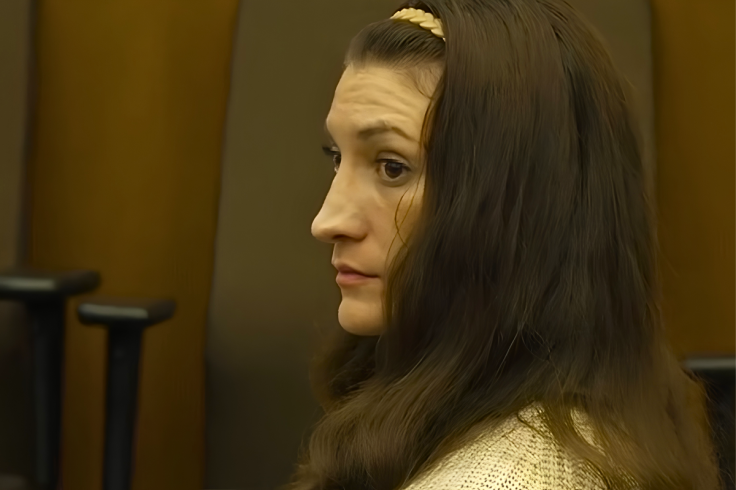
Questions about Lindsay Clancy's mental health treatment have taken centre stage at her murder trial, with doctors saying they saw no signs of psychosis or mania despite her struggles with depression, insomnia, intrusive thoughts and suicidal thoughts.
Clancy is accused of killing her three children, Cora, 5, Dawson, 3, and Callan, 8 months, at the family's Duxbury, Massachusetts, home in January 2023. Her defence argues that she was suffering from postpartum psychosis and possibly undiagnosed bipolar disorder, while prosecutors say she understood her actions and deliberately carried out the killings.
The trial has also highlighted Clancy's treatment by multiple mental health professionals and questions over whether they had a complete picture of her symptoms, medication and attempts to seek help.
The jury must ultimately decide whether Clancy was experiencing a psychiatric crisis that her doctors failed to recognise or remained rational enough to conceal what was happening.
Doctors Did Not See Signs of Psychosis
Several healthcare professionals who treated Clancy before the killings have testified that they did not observe psychosis or mania during their interactions with her.
Psychiatrist Dr Jennifer Tufts, who treated Clancy from September 2022, described a patient who was depressed, anxious and increasingly overwhelmed. But she said Clancy remained coherent during their appointments and did not display symptoms that led her to diagnose psychosis.
Clancy's psychiatric nurse practitioner, Rebecca Jollotta, similarly testified that she did not see signs of psychosis while treating her. Jollotta said Clancy experienced serious depression, insomnia and intrusive thoughts, but never indicated that she planned to harm herself or anyone else.
That testimony is central to the prosecution's case. Prosecutors argue that Clancy's ability to communicate with doctors, discuss her medication and make apparently rational decisions shows that she retained awareness of her actions.
Evidence of Struggles Before the Killings
The testimony has also revealed that Clancy was far from mentally well in the months before the killings. She repeatedly complained about anxiety and an inability to sleep and spoke about feeling detached from her youngest child. She also struggled with intrusive thoughts and expressed concerns about psychiatric medication. At different points, she asked providers to change her medication because of how she felt on it.
One particularly significant revelation came when Tufts was questioned about Clancy's calls to a suicide hotline. The psychiatrist testified that she had not known Clancy had called the hotline twice in December 2022 and said she was surprised to learn about the calls during the trial.
Clancy's defence lawyers argue this shows that important warning signs existed but were not shared among her doctors, leaving gaps in understanding her deteriorating condition.
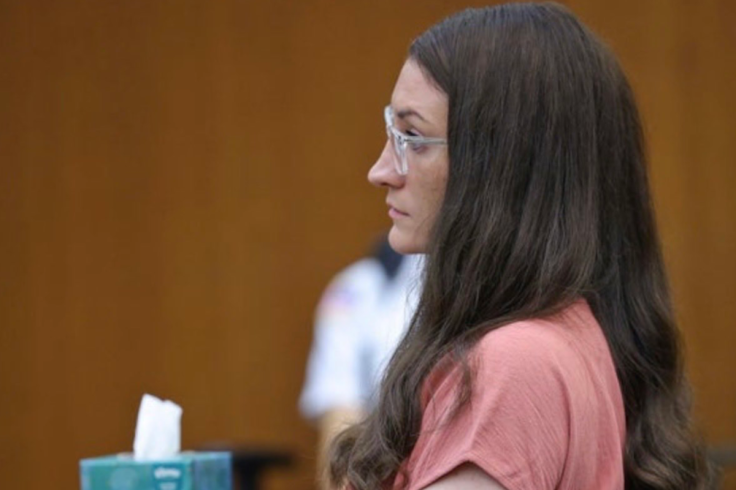
Fragmented Treatment Under Scrutiny
The defence has also focused on the way Clancy's treatment was organised.
Jollotta acknowledged that she did not consult Tufts, Clancy's psychiatrist, and did not obtain records from the hospitals involved in her care. That admission has become important because Clancy was seeing multiple healthcare professionals while her medications were repeatedly being changed.
Tufts' treatment was also conducted through telehealth appointments, something the defence has challenged during the trial. Her lawyers have questioned whether video appointments were sufficient to identify the changes in Clancy's behaviour and mental state that later became central to the defence's postpartum-psychosis argument.
The issue is not simply whether one doctor made a mistake. It is whether different pieces of information about Clancy's deteriorating condition were ever brought together.
Could Psychosis Have Been Missed?
The defence argues that Clancy's apparent rationality did not rule out psychosis, particularly given her postpartum mental health struggles, medication changes and possible bipolar disorder. A civil lawsuit filed against several of her healthcare providers alleges that she experienced persistent auditory hallucinations in the weeks before the killings, including voices telling her to kill herself and her children. Those allegations have not been established at trial, and prosecutors dispute the defence's account of her mental state.
Prosecutors have instead pointed to Clancy's internet searches, communications with her husband and actions before and after the killings as evidence that she understood what she was doing and was capable of planning. The jury must ultimately decide whether she was criminally responsible, but the testimony has also raised questions about whether warning signs were missed across multiple doctors, medications and appointments.
© Copyright IBTimes 2026. All rights reserved.