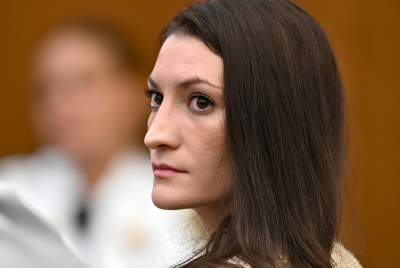
Lindsay Clancy's Lawyer Kevin Reddington and His 100 Murder Cases: What We Know
Kevin Reddington represents Lindsay Clancy in her triple-murder trial

The trial of Lindsay Clancy has become one of the most closely watched criminal cases in Massachusetts. The case has drawn intense attention over the deaths of Clancy's three young children in Duxbury in January 2023, with prosecutors and her defence team offering sharply different accounts of what happened and why.
At the centre of that defence is veteran criminal lawyer Kevin Reddington, who is now fighting the case in Plymouth Superior Court. But who is Reddington, and why was he chosen to represent Clancy?
The 75-year-old Brockton attorney has spent five decades defending people accused of serious crimes and has handled more than 100 murder cases, many of which involved mental illness and insanity defences. His long courtroom record is now under unusually close scrutiny as he attempts to persuade jurors that Clancy was not criminally responsible for her children's deaths.
Reddington's 100 Murder Cases Highlight His Experience
Reddington's murder caseload did not build overnight. By 1997, he had reportedly appeared at the defence table in around 50 murder cases. By the early 2010s, that figure was approaching 100, while more recent profiles have put his career total above that mark.

The number is particularly relevant to Clancy's trial because Reddington has repeatedly taken on cases where mental health forms a central part of the defence.
His 1989 defence of Therese Rogers remains one of his best-known cases. Rogers had killed her abusive boyfriend, and Reddington successfully argued that years of abuse had contributed to battered-woman syndrome and temporary insanity. The case was reported as the first successful use of the defence in Massachusetts.
Reddington's Famous Clients
Reddington's career has also taken him far beyond conventional murder trials.
He represented former Boston Red Sox first baseman Mo Vaughn in a 1998 drink-driving case, arguing that physical injuries and shock from a crash contributed to his failed sobriety tests.
More than a decade later, Reddington represented Catherine Greig, the long-time companion of Boston mobster James 'Whitey' Bulger. Greig was arrested with Bulger in California in 2011 after the pair had spent 16 years as fugitives. She later pleaded guilty to charges including harbouring a fugitive and received an eight-year sentence.
These cases helped establish Reddington as a lawyer willing to defend clients whose circumstances can be difficult for jurors and the public to understand.
How Reddington Is Approaching The Clancy Defence
That experience is now central to the defence of Clancy, who is accused of killing her three children, Cora, Dawson and Callan, at the family home in Duxbury in January 2023.
Rather than disputing that Clancy caused the deaths, Reddington has concentrated on her mental state.
📌COMMONWEALTH v. LINDSAY CLANCY TRIAL
— Kelly💚🌴 (@kelly_steffee) August 14, 2026
DAY 13 RECAP
Today focused heavily on digital evidence. Lindsay’s searches, private notes, phone activity and what she was doing in the months, days and hours before January 24.
The Commonwealth wants this evidence to support planning.… pic.twitter.com/Im3nBXPukR
The defence argues that Clancy was experiencing severe postpartum psychosis and that her condition was worsened by an extensive psychiatric medication regimen. Reddington has described the alleged medication regime as a 'horrific overmedication.'
His courtroom presentation has repeatedly returned to Clancy's treatment history, interactions with medical professionals and alleged deterioration before the killings.
Reddington's Mental Health Defence Matters In Clancy Trial
The defence is effectively asking jurors to distinguish between committing an act and being legally responsible for it.
Reddington has challenged medical evidence, questioned treating professionals and sought to keep the jury focused on Clancy's psychological state rather than simply the circumstances of the deaths.
The prosecution disputes that interpretation and maintains that Clancy bears criminal responsibility.
That makes Reddington's previous experience especially significant. His career has repeatedly involved turning complex psychological circumstances into arguments that jurors can understand.
© Copyright IBTimes 2026. All rights reserved.
- Recommended For You