Lindsay Clancy Trial Update: Defence Says She Was 'Turned Away' by Hospital Weeks Before Murdering Her Children
Defence claims postpartum psychosis overlooked in Lindsay Clancy's trial
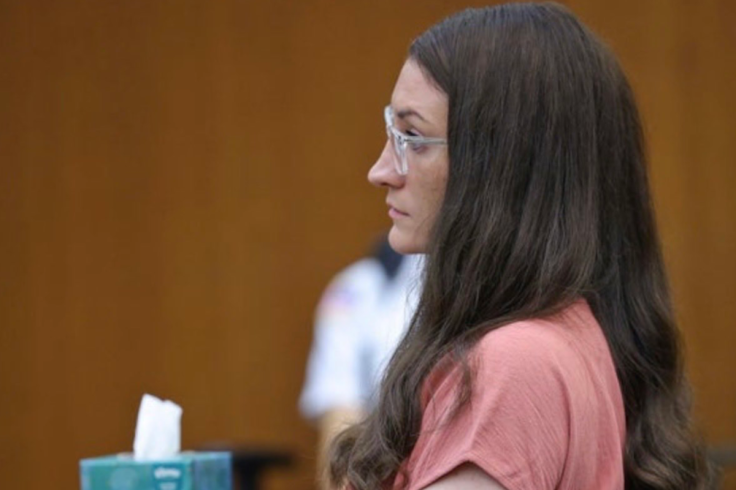
In the latest development in Lindsay Clancy's trial, her defence attorney, Kevin Reddington, revealed that his client was 'turned away' from a specialist postpartum inpatient programme weeks before she strangled her three children.
The court heard that Women & Infants Hospital in Rhode Island did not accept the 36-year-old mother because Clancy's secondary diagnosis was that she was overmedicated.
Reddington's latest claim has become a key part of the defence's argument that Clancy was suffering severe postpartum psychosis and was not properly recognised or treated before the January 2023 killings of her children, Cora, Dawson and Callan.
According to the prosecution, her medical treatment does not excuse the alleged murders and maintains that she should be held criminally responsible.
Mental Health Counsellor Takes the Stand
As the trial reached its 12th day, Latiesha Dukes from South Shore Hospital's Perinatal Clinic testified about the defendant's deteriorating mental health. The mental health counsellor had four appointments with Clancy before the killings.
Dukes stated that during an appointment with the defendant in December 2022, Clancy mentioned that she would begin a partial hospitalisation programme in Norwell, Massachusetts. However, Dukes had already mentioned during a prior appointment that it was not necessary for Clancy to enrol in an inpatient programme.
After learning of Clancy's plans, the mental health counsellor suggested a different partial inpatient programme at Women & Infants Hospital of Rhode Island. She said the facility would be better equipped to help with her postpartum psychosis.
@crmnallyobsessed Lindsay Clancy's murder trial was stopped twice on Wednesday when she had emotional breakdowns after hearing testimony about the injuries she caused to her children when she killed them in January 2023. Judge William Sullivan gave jurors a pointed reminder after the disruptions, stressing that their verdict must be based solely on the evidence, “not on sympathy or anger or passion.” Clancy became visibly distraught when two pathologists from the Massachusetts Office of the State Medical Examiner gave testimony about the causes of death for Clancy's children. She strangled Cora (age 5), Dawson (age 3) and Callan (8 months) to death using exercise bands in the basement of the family's home as she allegedly suffered from postpartum psychosis. Clancy has had similar emotional outbursts each time her children's injuries have been brought up during the trial. #LindsayClancy
♬ original sound - Criminally Obsessed
Attorney Reddington then revealed that the facility rejected her, stating: 'They indicated that they could not help her, as a woman with postpartum depression, psychosis, or anxiety, because their secondary diagnosis was that she was overmedicated.'
Reddington questioned Dukes in front of the jury about why the facility would reject Clancy. She answered that the defendant did not meet the criteria for inpatient treatment, particularly because she did not have suicidal thoughts.
However, Dukes revealed that Clancy had made statements such as 'not wanting to be here' and 'no longer wanting to live' during their four sessions.
Dukes added: 'If she indicated that she had a plan, I would see that as a crisis and request a higher level of support.'
Reddington and Dukes then went back and forth, with the mental health counsellor reading notes from her appointments with Clancy. These included descriptions of the defendant having 'unmanageable anxiety' and being 'constantly worried something was going to happen to the children.'
What's Next?
The prosecution continues to argue that Lindsay Clancy is criminally responsible for the deaths of her children and disputes the defence's claims about postpartum psychosis and overmedication. Medical professionals have also previously testified that they did not observe signs of psychosis in their interactions with Clancy before the killings.
The trial is expected to continue for several more weeks, with jurors set to hear further evidence about Clancy's psychiatric history, medications and the events surrounding the deaths.
If convicted of first-degree murder, Clancy faces life imprisonment without parole. If jurors instead find that she was not criminally responsible because of mental illness, she could be committed to a psychiatric hospital.
© Copyright IBTimes 2026. All rights reserved.
- Recommended For You