

MacKenzie Scott Helped Erase $40B in Medical Debt: Her Donations Top Musk, Bezos and Larry Page Combined
Other wealthy donors have backed medical debt cancellation programmes following Scott's support

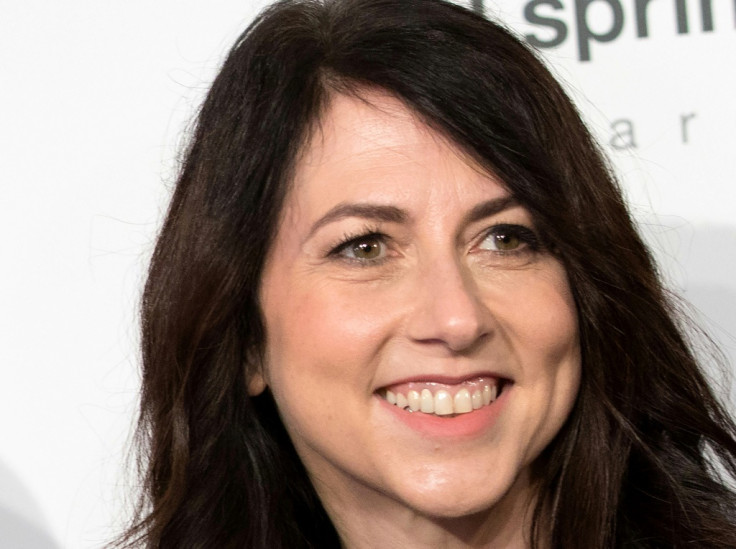
For a family facing an unpaid hospital bill, medical debt can become a burden long after treatment ends. MacKenzie Scott has used part of her fortune to support a model designed to remove some of those debts altogether.
Since 2020, Scott has given $130 million to Undue Medical Debt, formerly known as RIP Medical Debt. The organisation says it buys medical debt at steep discounts and abolishes it rather than collecting from patients. It has now abolished more than $40 billion in medical debt across all 50 states. The scale of the relief has made medical debt one of the most notable parts of Scott's wider philanthropic record.
How Scott's Donations Helped Erase Medical Debt
Undue Medical Debt uses donations to purchase large, bundled portfolios of medical debt. The organisation buys those debts at a fraction of their original value. It then cancels the obligations for eligible patients.
The approach means a donation can eliminate debt worth substantially more than the amount originally given. The organisation's model can turn $10 in donations into roughly $1,000 of medical debt relief.
Scott's support came in three major gifts. She gave $50 million in 2020, another $30 million in 2022, and a further $50 million in 2024. Undue confirmed the third gift in December 2024. The $130 million total makes Scott one of the nonprofit's largest individual supporters.
Scott Has Given Away More Than $26 Billion
Medical debt relief is only one part of Scott's philanthropy. Following her 2019 divorce from Amazon founder Jeff Bezos, Scott received a 4% stake in Amazon. Forbes reported in February 2026 that she had disposed of more than 75% of those shares. She has since directed a large portion of her wealth towards charitable organisations.
Forbes estimates that Scott has donated $26.4 billion to more than 2,500 groups in less than seven years. That makes her the third-largest philanthropist in its ranking, behind Warren Buffett and Bill Gates and Melinda French-Gates. Scott also gave $7.2 billion to about 225 organisations in 2025, making her the largest individual philanthropist that year, according to Forbes.
Her grants have supported areas including education, environmental work, and economic equity. Her giving has often involved unrestricted grants, leaving recipient organisations to decide how to use the money.
Her Giving Has Surpassed Musk, Bezos, and Page
Recent reporting says Scott's lifetime charitable giving has now exceeded the combined donations of Elon Musk, Bezos, and Google co-founder Larry Page. The comparison comes with an important qualification. Philanthropic rankings can differ because donors do not always publicly disclose the value or recipients of every contribution.
Forbes' own ranking puts Scott's lifetime giving at $26.4 billion and notes the speed at which she has distributed her wealth. Her approach has also attracted attention because she has generally avoided attaching detailed conditions to many of her grants.
Other Donors Are Supporting Debt Relief
Scott's support has been followed by other large donations to medical debt relief. Snap co-founder Evan Spiegel and his wife Miranda Kerr recently gave millions to Undue Medical Debt. Fortune reported that the support helped the organisation abolish $550 million in medical bills for about 261,000 Californians. The organisation says its work is aimed at providing immediate relief while also supporting research and policy solutions related to medical debt.
What Medical Debt Relief Cannot Do
Cancelling existing debt does not prevent new medical bills from becoming unaffordable. Undue itself describes medical debt as a wider healthcare problem and says it is pursuing policy solutions alongside debt relief. That distinction is important.
Philanthropic donations can remove debts that already exist. They do not, on their own, change healthcare prices, insurance coverage or the circumstances that cause patients to fall into debt.
For Scott, medical debt relief is therefore one part of a much larger giving programme. Her $130 million in support for Undue has helped fund a system that has abolished more than $40 billion in medical debt. Her wider philanthropy has reached more than $26 billion, placing her among America's largest individual donors.
© Copyright IBTimes 2026. All rights reserved.