

Gut Bacteria Starved of Fibre Can Start Eating the Gut's Protective Mucus Lining, Mouse Study Finds
Scientists traced two unwanted compounds to microbes digesting the body's own secretions, but only in animals
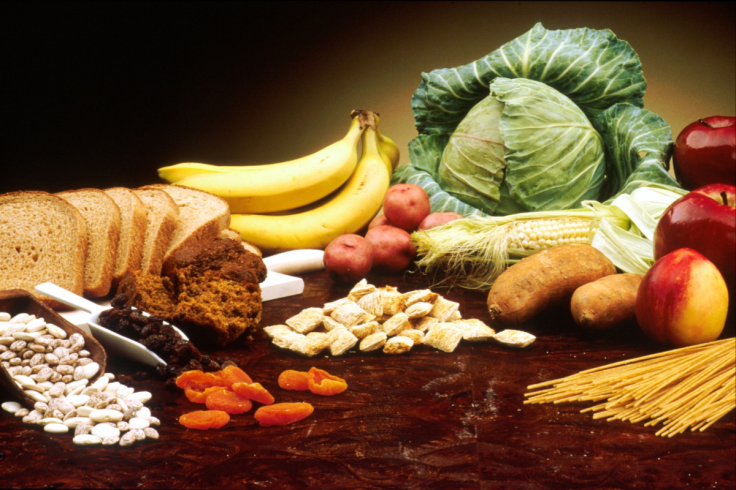
Gut bacteria short of fibre can feed on the mucus that lines and protects the gut, a Princeton University mouse study reported in July. That feeding produces two compounds that earlier research links to worse outcomes for cancer patients and toxicity in kidney disease. Fibre in the animals' diet reduced both.
The finding matters in the UK, where 96 per cent of adults miss the recommended 30g (about 1oz) of fibre a day. The figure comes from the government's National Diet and Nutrition Survey. Jenna AbuSalim and Joshua Rabinowitz of the Ludwig Institute for Cancer Research led the study.
How the Team Traced the Compounds
The researchers labelled proteins with stable, non-radioactive isotopes that act as tags instruments can follow through the body. They tracked which proteins the bacteria in a mouse's gut digested. Phenol sulfate and p-cresol sulfate, the two compounds the team calls harmful, came from proteins the animal's own body secretes. Those proteins include mucins, the proteins in gut mucus. Levels of both rose and fell with a bacterial family called Oscillospiraceae, which digests mucins.
Fibre cut the bacteria's digestion of those secreted proteins, and levels of both compounds fell. Plant proteins that resist digestion did a separate job. The team calls them Prif, short for proteins imitating fibre. Prif supplies the raw material for hippuric acid and 3-phenylpropionate, two compounds the researchers associate with gut health and healthy body weight. 'Food packaging may eventually list Prif right below fiber,' said Rabinowitz, the Ludwig Princeton director.
What Earlier Research Already Showed
Scientists reported mucus-eating gut bacteria in mice ten years ago. Mahesh Desai and Eric Martens wrote in the journal Cell on 17 November 2016 that fibre-deprived bacteria eroded the animals' mucus barrier. The damage left them more open to infection. The lesson, said Martens, a University of Michigan microbiologist, was that 'if you don't feed them, they can eat you.' The Princeton study adds a chemical trail from that feeding to two named compounds.
The new evidence has limits. The Ludwig Institute describes experiments in mice and no human trial. The institute also describes the link between the two compounds and disease as an association, which is not proof that the compounds cause illness. A companion paper from the same team in Nature Metabolism in June found that mammals make several related compounds without bacteria. AbuSalim said Prifs shape the gut's bacterial mix and could influence metabolic health.
What Happens Next
The paper appeared in the Proceedings of the National Academy of Sciences. Rabinowitz said clearer knowledge of how foods act on gut bacteria should sharpen the advice that nutritionists and doctors give. The Ludwig Institute, the US National Institutes of Health, and Princeton University were among the study's funders.
The UK's daily fibre target for adults dates from a 2015 report by the Scientific Advisory Committee on Nutrition. The government's 2019 to 2023 survey found that fibre intake rose, on average, with household income in every age group. Only trials in people can show whether the mouse finding holds for them.
© Copyright IBTimes 2026. All rights reserved.