

SpaceX Starship Catch Brings First Upper-Stage Recovery, but Booster Failure Remains the Hurdle
The Ship completed 14 orbits before returning to Starbase, while a low-fuel alarm forced the booster to abort its planned recovery
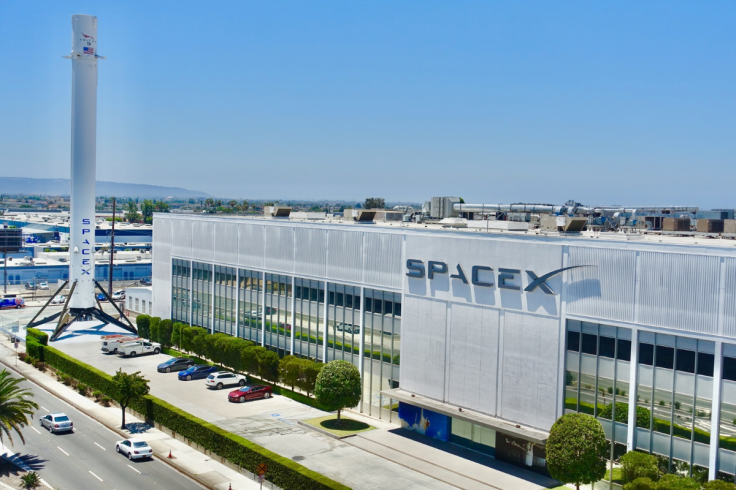
SpaceX has caught Starship's upper stage at its Texas launch site for the first time, but lost the Super Heavy booster in the Gulf of Mexico during the same test.
The Ship, as the upper stage is known, returned to Starbase on Saturday and was secured by the launch tower's mechanical arms, known as the 'chopsticks'. The booster did not make it back to the launch pad, meaning SpaceX did not complete its planned recovery of both stages in a single mission.
Starship, standing 124 metres (407 feet) tall, lifted off from Starbase at 16:47 local time (22:47 GMT) on Friday. It was the rocket's 15th test flight and SpaceX's first planned attempt to catch both stages at the launch site during a single mission. The company had caught the booster three times before, but had never recovered the Ship.
The Ship Completes 14 Orbits
The Ship completed 14 orbits of Earth during a mission lasting about 22.5 hours before beginning its return to Starbase, SpaceX's launch site on the Texas coast. It had achieved its first successful orbital flight only in September.
Catching the stage at the tower is intended to speed up reuse, which is central to SpaceX's ambitions for the vehicle. Rather than recover the Ship at sea, the company aims to bring it back to the launch site and secure it with the tower's mechanical arms.
The successful catch was one part of the test. The mission also required the booster to return to the launch site, where it was due to be caught after separating from the Ship. That part of the plan did not succeed.
Low-Fuel Alarm Ends Booster Recovery Attempt
The booster's problems began during its boostback manoeuvre, when it turns to head back towards the launch site. It ended the burn early after a low-fuel alarm, leaving it out of position for a tower catch.
Its guidance system automatically aborted the recovery attempt and diverted it towards an offshore landing in the Gulf of Mexico. The booster completed a landing burn before its flight termination system was triggered. SpaceX said the team was investigating the underlying cause.
The company had not established whether the incident would affect the schedule for the next test flight. The available information does not identify what triggered the low-fuel alarm or explain why the burn ended early.
The distinction is important: SpaceX has recovered the Ship, but has not yet caught both stages in the same mission. The booster's loss does not erase the company's three previous catches of Super Heavy. It does show that combining the two recoveries remains a challenge.
Why Full Reuse Matters
SpaceX wants both parts of Starship to be reusable. The booster powers the vehicle through its initial ascent, while the Ship continues towards orbit. Recovering both stages could allow the company to reuse the entire launch system, potentially increasing flight frequency and reducing costs.
The approach has a precedent in the company's Falcon 9 rocket. In December 2015, SpaceX became the first company to land the first stage of an orbital-class rocket vertically after an orbital launch. Blue Origin had landed its New Shepard booster a month earlier, but that vehicle was not an orbital-class rocket.
Falcon 9 completed 165 orbital launches in 2025, and reusing its boosters has helped reduce the cost of sending payloads into space. Starship's planned system goes further by seeking to recover both the booster and the upper stage.
Prof Malcolm Macdonald, president of the Royal Aeronautical Society, said full reusability could fundamentally change the economics of accessing space.
A single catch does not demonstrate readiness for routine operations. That would also depend on reliable flights, inspections, refurbishment and repeat launches, none of which one mission can establish.
© Copyright IBTimes 2026. All rights reserved.