

Can a 7-Minute Cancer Sponge Test Replace Invasive Endoscopy Procedures?
Draft guidance proposes Cytosponge and EndoSign for selected people with persistent GORD or Barrett's oesophagus, subject to further investigation where needed
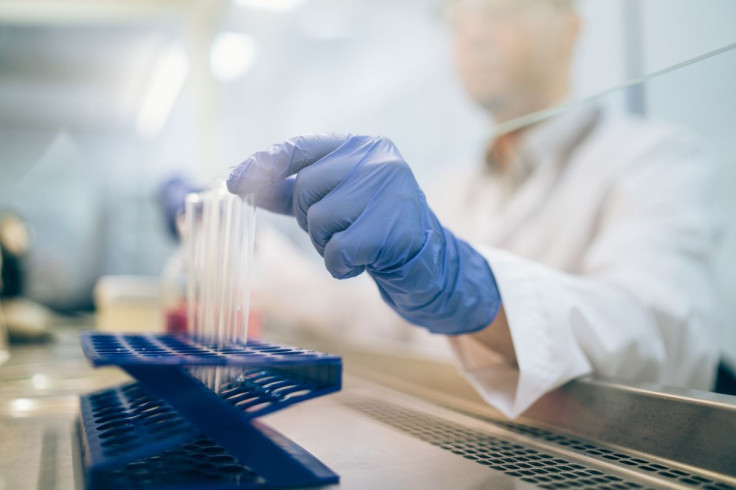
People with persistent acid reflux and several risk factors for oesophageal cancer could be offered a seven-minute capsule sponge test instead of an initial endoscopy under draft guidance published by the National Institute for Health and Care Excellence (NICE) on 16 November 2026. But the test is not a universal substitute: people with abnormal results may still need an endoscopy, which allows doctors to examine the oesophagus and take tissue samples.
The draft guidance recommends two capsule sponge technologies, Cytosponge and EndoSign, for people with persistent gastro-oesophageal reflux disease (GORD), commonly known as acid reflux, and multiple risk factors for oesophageal cancer.
The proposed tests could also provide an alternative surveillance option for selected people already diagnosed with Barrett's oesophagus, a condition that increases the risk of developing oesophageal cancer.
A Capsule, a Sponge and Seven Minutes
The capsule sponge test involves swallowing a small capsule attached to a thin thread. Once it reaches the stomach, the capsule dissolves and releases a compressed sponge that expands over approximately seven minutes.
A healthcare professional then gently withdraws the sponge through the oesophagus using the attached thread. As it passes through the food pipe, it collects cells from the lining, which are sent to a laboratory for examination.
Unlike conventional endoscopy, the procedure does not require sedation and can be carried out by one specially trained healthcare professional in primary care facilities or community diagnostic centres.
NICE estimates that around 95 out of every 100 people can successfully swallow the capsule after one or more attempts.
Can the Sponge Test Replace Endoscopy?
The capsule sponge test could reduce the need for endoscopy in certain patients, but it is not a complete replacement.
Under NICE's draft recommendations, Cytosponge and EndoSign could be used to investigate eligible people with persistent acid reflux and multiple risk factors who do not require an urgent suspected cancer referral.
The technologies could also become alternatives for routine surveillance among selected people with Barrett's oesophagus, potentially reducing the number of hospital-based endoscopies needed to monitor their condition.
However, patients with positive or abnormal sponge test results may still need further investigation, including endoscopy, to confirm the findings.
Endoscopy allows specialists to examine the oesophagus directly and take targeted tissue samples for laboratory testing. This remains important when doctors need to assess suspicious changes or investigate possible cancer.
Evidence from the BEST3 randomised controlled trial also demonstrates how the sponge test can help identify patients requiring further investigation. Among 1,654 participants who successfully swallowed Cytosponge, 231 received positive test results and were referred for endoscopy. A total of 221 subsequently underwent the procedure, with 131 diagnosed with Barrett's oesophagus or cancer.
Could It Ease Pressure on NHS Endoscopy Services?
Reducing pressure on endoscopy services is one of the main reasons NICE is considering the technology.
According to Cancer Research UK, evaluations of capsule sponge testing reported reductions in endoscopy demand of 78 per cent in England and 77 per cent in Scotland. A separate, longer-term evaluation at one English site found that 62 per cent of endoscopies were avoided.
These findings suggest that the technology could help identify patients who need further investigation while allowing others to avoid an immediate hospital procedure.
The potential benefit is particularly relevant because NICE said some NHS patients with Barrett's oesophagus are not receiving surveillance as frequently as current guidance recommends due to high demand for endoscopy services.
What the Sponge Test Cannot Tell You
Although the capsule sponge test is less invasive, it has limitations. Some patients may experience temporary discomfort when the sponge is removed, followed by a sore throat or mild irritation.
More importantly, the test is not 100 per cent accurate and may miss some cases of Barrett's oesophagus. A negative result therefore does not guarantee that someone is free from the condition or oesophageal cancer.
NICE says patients should receive advice about symptoms that require further medical attention, even if their results do not indicate concerning changes. People with persistent or worsening symptoms should seek medical advice rather than relying solely on a negative sponge test.
Patients with suspicious findings may still need endoscopy and additional tests to establish a diagnosis.
When Could the Test Become Available?
NICE's recommendations remain in draft form, with the consultation period scheduled to close on 7 December 2026.
An independent committee is expected to consider responses on 16 December before NICE publishes its final guidance, which is currently expected in February 2027.
If the recommendations are confirmed, NHS England will need to consider implementation within the relevant clinical pathway, including arrangements for training healthcare professionals to carry out the procedure.
© Copyright IBTimes 2026. All rights reserved.