

More Than 400 UK Flights Cancelled After NATS Fault Delays More Than 65,000 Ryanair Passengers
A technical failure in the UK air traffic control system left airlines managing widespread cancellations and delays across Britain and Europe
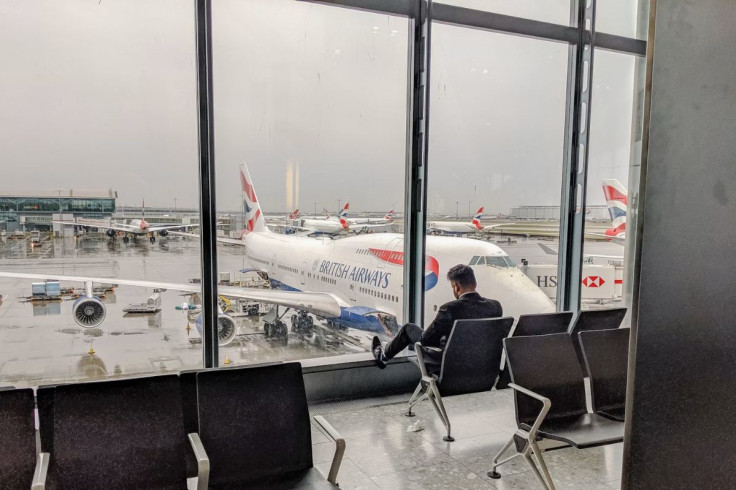
More than 400 flights to and from UK airports were cancelled on Tuesday after a NATS technical fault disrupted air traffic control operations, while Ryanair said more than 65,000 of its passengers were delayed and more than 50 of its flights were cancelled.
The disruption followed a fault reported early on Tuesday afternoon in NATS' flight processing system, which affected departures at major airports including Heathrow and Gatwick and caused knock-on disruption to schedules across Britain and parts of Europe.
NATS Fault Disrupts Major UK Airports
NATS said at 1.46pm that it was investigating a technical issue causing disruption to flight departures. Engineers later identified the problem in the flight processing system, and the air traffic control provider announced at 4.40pm that it had implemented a fix.
Recovery was not immediate. NATS said the system was only 'starting to recover' and added, 'We are continuing to work closely with our airline and airport customers on recovery. We apologise sincerely for the disruption to people's journeys today and they should continue to check with their airline.'
Flightradar24 said 425 flights to and from UK airports had been cancelled by 5pm, with London airports among the hardest hit.
Departures from London airports were particularly affected, with few take-offs recorded after the fault emerged in the early afternoon. Most flights due to leave Heathrow, Gatwick, Manchester, Stansted and London City after 2pm appeared delayed or had yet to depart.
Cirium data showed about 90 flights in and out of Heathrow and Gatwick had been cancelled by 4.15pm. Edinburgh, Birmingham, Bristol and Belfast were also affected.
Heathrow initially said departures were affected, but later confirmed the NATS issue was 'impacting arriving and departing flights across UK airports'. The airport advised passengers to check directly with their airline and travel only if their flight was confirmed.
Ryanair Passengers Hit By NATS Fault
Ryanair said more than 65,000 passengers had been delayed and more than 50 flights cancelled. EasyJet said the knock-on effects were being felt on services around Europe, while Eurocontrol reported that some inbound flights were being held at airports abroad.
British Airways said it was experiencing some disruption and was contacting customers.
Belfast City Airport warned that the technical problem could affect arriving and departing services, while Birmingham Airport told passengers to follow their airline's normal check-in requirements and seek the latest flight information directly from carriers.
The disruption also renewed criticism of NATS from airlines after previous technical failures. Ryanair again called for NATS chief executive Martin Rolfe to resign.
The airline's chief operating officer, Neal McMahon, said, 'Families travelling on holiday, people travelling for work and thousands of visitors to the UK have once again paid the price for Nats' abhorrent failure.' He also urged the government to appoint new leadership for the UK air traffic control system.
Wizz Air said, 'A critical national infrastructure provider should not repeatedly bring the aviation system to a standstill. Nats is simply not fit for purpose in its current form.'
NATS Fault Follows Earlier Air Traffic Control Problems
Tuesday's disruption followed a July 2025 radar-related technical issue that Transport Secretary Heidi Alexander described at the time as an 'isolated event', as well as the August 2023 air traffic control failure that later prompted parliamentary scrutiny and a CAA-commissioned independent review.
Although NATS announced a fix before 5pm, the provider cautioned that restoring normal operations would take time. Airlines and airports continued advising passengers to check flight status before travelling as delays and cancellations worked through schedules into the evening.
© Copyright IBTimes 2026. All rights reserved.