

'Iraq Is Safe and Needs Them': Iraq Urges Christians Driven Out by ISIS To Return as New Cathedral Opens
A new cathedral offers displaced Christians hope, but the promise of homecoming depends on more than words
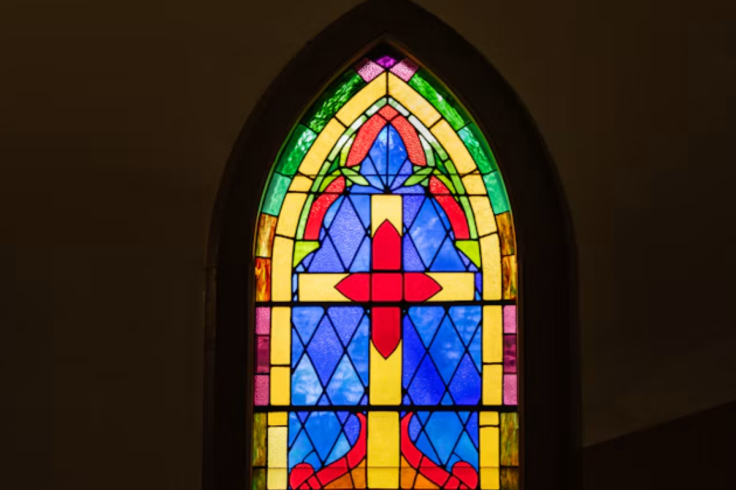
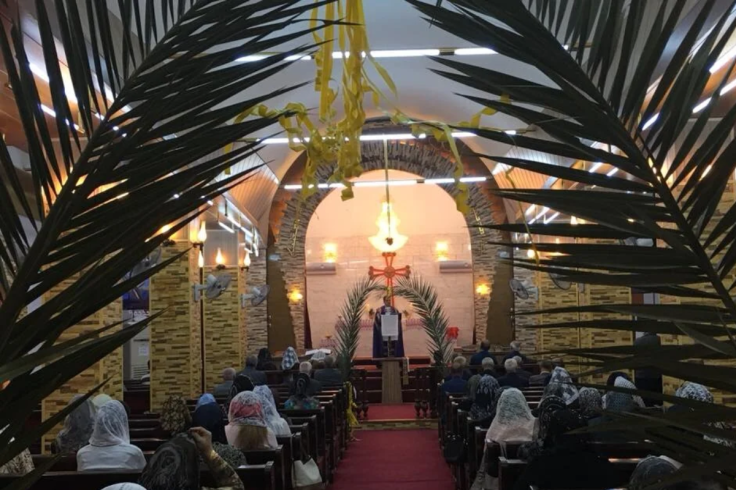
Iraqi Christians living abroad were urged to return on Thursday, 12 November, as Iraq opened its first Coptic Orthodox cathedral in Baghdad. Karim Hammadi, president of the Iraqi Media Network, said 'Iraq is safe and needs them'. His assurance came amid continuing concerns about security and religious freedom.
Prime Minister Ali Faleh al-Zaidi attended the inauguration in New Baghdad alongside ministers and religious leaders. The event offered a public welcome to families displaced during years of conflict. Whether those families can safely rebuild their lives remains contested.
Why the New Cathedral Matters to Iraqi Christians
The Cathedral of the Virgin Mary, St. Paul the Anchorite and St. Anthony the Great belongs to a Christian tradition rooted in Egypt. It is Iraq's first Coptic Orthodox cathedral, not its first Christian church.
Coptic Orthodox Metropolitan Anba Antonios of Jerusalem and the Near East attended as a representative of Pope Tawadros II, according to church reporting. Muslim and Christian representatives were among the guests.
Speaking to the Iraqi News Agency, Hammadi described the building as a symbol of religious coexistence. He invited Christians overseas to return and portrayed Iraq as a country where different faiths could live together securely.
Al-Zaidi called religious diversity a strength against intolerance and division. He pledged to protect citizens' rights, fight corruption and bring weapons under state control.
The invitation comes against a difficult history. On 31 October 2010, gunmen from the Islamic State of Iraq, an al-Qaeda affiliate, attacked Our Lady of Salvation Church in Baghdad. More than 50 people died during the siege and security operation.
In 2014, ISIS seized Mosul and other areas, forcing Christians and other religious minorities to flee. Although the group lost its territorial control in Iraq in 2017, many families did not return.
Why Iraqi Christians Still Question Their Safety
In September, Iraqi Canadian activist Rabea Allos welcomed an earlier government invitation but questioned whether adequate safeguards existed. He told The Catholic Register that Iraqi authorities had 'inadequate control of Iran-backed militias'.
Allos urged the government to stop 'the outflow before inviting diaspora Christians to return'. He also called for equal employment opportunities and protection against hate speech.
The September report highlighted land theft, corruption and unequal access to employment among concerns associated with continued Christian emigration.
The same report quoted Chaldean Catholic MP Kaldo Oghanna, who held a parliamentary seat reserved for Christians. Oghanna sought legislation against hate speech and changes to electoral rules he believed weakened Christian representation.
An October report by the US Commission on International Religious Freedom provided further context. It estimated Iraq's Christian population at about 150,000 and said religious-freedom conditions remained strained in 2026.
The commission identified restrictive laws and Iran-backed militias as continuing threats. It also acknowledged steps taken by Iraq's new government to confront armed groups, while warning that some militias had refused to disarm.
Al-Zaidi's promises at the cathedral echoed those government efforts. However, the ceremony provided no independent assessment of whether displaced Christians could return safely or recover their livelihoods.
Allos told the publication he continued receiving enquiries from Iraqi Christians seeking to emigrate to Canada.
© Copyright IBTimes 2026. All rights reserved.