Once the World's Most Populous Nation, China Now Plans to Tax Condoms to Spark Baby Boom
Births have fallen sharply in China since the one-child policy was fully lifted

China is taking an unexpected new step in its fight against declining birth rates: imposing a value-added tax on contraceptives, including condoms, for the first time in more than 30 years.
The move marks a dramatic reversal for a country that once aggressively promoted birth control under its one-child policy. With the population shrinking for a third consecutive year and births in 2024 falling to just 9.54 million, Beijing is now prioritising measures to encourage childbirth.
The revised VAT Law, set to take effect in January, not only adds a 13% levy to contraceptives but also rolls out tax exemptions for childcare and marriage-related services in a bid to reshape social attitudes toward having children.
A Major Policy Reversal After Decades of Birth Limits
According to reports, under the newly revised VAT Law, contraceptive drugs and devices, including condoms, will lose the tax exemption they held since 1993, the height of China's one-child policy, when the government actively encouraged birth control to halt population growth.

The new 13% tax reflects a striking shift that China is no longer trying to restrict births, but rather to encourage them as the nation confronts a rapidly ageing society.
The revision also includes targeted exemptions, such as nurseries, kindergartens, eldercare institutions, disability-service providers and marriage-related services, signalling a push to reduce the cost of raising a family. It aligns with years of pro-natalist policies, including cash incentives, extended parental leave and expanded childcare support.
Shrinking Birth Rates and Rising Costs Behind the Push
China's demographic crisis is severe. According to reports, births have fallen sharply since the one-child policy was fully lifted, plunging to 9.54 million in 2024, nearly half the 18.8 million recorded in 2016. The country's fertility rate remains among the lowest in the world, hovering around 1.0–1.1, far below the replacement level of 2.1.

A key barrier is cost. According to Beijing's YuWa Population Research Institute, raising a child to age 18 costs more than £57,000 (approximately $76,000), making China one of the world's most expensive places to start a family. Critics have cited economic uncertainty, slow job growth and shifting social values as leading many young adults to prioritise financial security and career stability over parenthood.
Demographer He Yafu, while speaking to The Straits Times, said that removing the VAT exemption is 'largely symbolic' because it does not address the core issue, like affordability, but instead underscores an attempt to create a social environment that favours childbirth and reduces abortions.
Fears Over HIV and Unplanned Pregnancies Persist
The contraceptive tax immediately ignited debate across social media platforms like Weibo, with many users warning of unintended consequences.
According to reports, China has seen a sharp rise in HIV infections over the past two decades, increasing from 0.37 per 100,000 people in 2002 to 8.41 in 2021, driven mostly by unprotected sex. Critics worry that making condoms more expensive could worsen the situation.
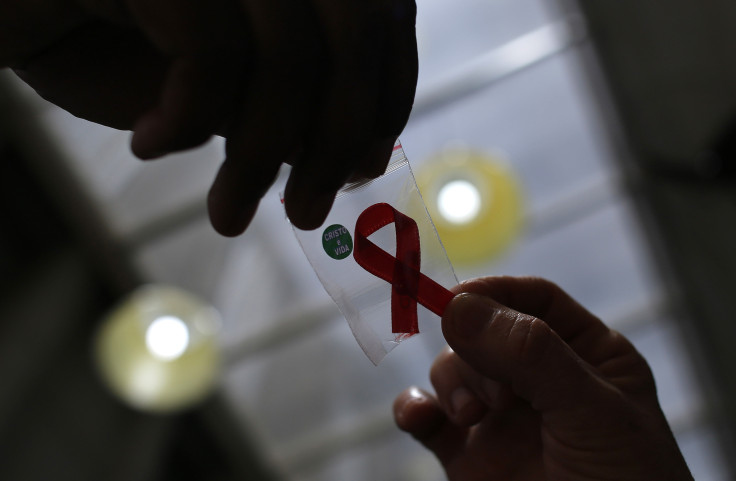
Some users expressed concerns that higher prices may discourage safe sex entirely, with one commenting that raising costs 'might not be a good idea' amid rising infections. Others mocked the policy as ineffective for boosting birth rates, pointing out the contradiction, 'If someone can't afford a condom, how could they afford raising a child?'
The tension reflects a broader challenge of balancing public-health needs with the government's push to increase births.
How Other Nations Have Approached Pronatalism
While China's decision to tax contraceptives is unusual, it is not entirely without global parallels. A small number of countries have implemented measures that make birth control more expensive or less accessible as part of broader efforts to reverse falling birth rates.
Iran, for example, restricted free contraceptive distribution and banned certain sterilisation procedures in recent years, raising out-of-pocket costs despite not imposing a direct tax. These policies contributed to increases in unplanned pregnancies and criticised limitations on reproductive rights.
In contrast, most nations facing demographic decline — such as Japan, South Korea, Hungary and Poland — rely on incentives like cash subsidies, tax breaks or housing aid, avoiding any measures that hinder access to contraception. China's strategy, therefore, stands out as a rare attempt to incorporate both incentives and disincentives in its population policy.
© Copyright IBTimes 2026. All rights reserved.
- MOST POPULAR IN World