Costco Sues Trump, Asks To Give Back All The Money They Had To Pay Because Of 'Illegal' Tariffs
Costco seeks to reclaim billions paid and block future levies

Costco has filed a high-stakes lawsuit against the administration of US President Donald Trump, demanding a full refund of all tariffs it was forced to pay this year, and seeking to block any further tariff collections until the legality of the levies is finally resolved.
The move comes as the United States Court of International Trade considers whether the sweeping tariffs imposed under the executive's emergency-powers decree are lawful, a decision that could reshape US trade policy for years.
Legal Grounds: Why Costco Says Tariffs Were Illegal
In its complaint lodged on 28 November 2025, the retail giant Costco Wholesale Corporation argues that the tariffs were 'unlawfully imposed' under the International Emergency Economic Powers Act (IEEPA). The suit challenges the use of IEEPA, originally intended for narrow economic sanctions, to broadly tax imports from most of the world.
Specifically, Costco contends that the administration's refusal to extend the upcoming 'liquidation' deadline, the point at which Customs finalises tariff calculations, imperils its ability to claim refunds even if courts strike down the tariff regime.
Lower courts have already sided with private plaintiffs in related cases. In V.O.S. Selections, Inc. v. Trump, judges found that the 'Liberation Day' tariffs, enacted in April 2025, exceeded presidential power, ruling that only Congress may authorize large-scale trade levies.
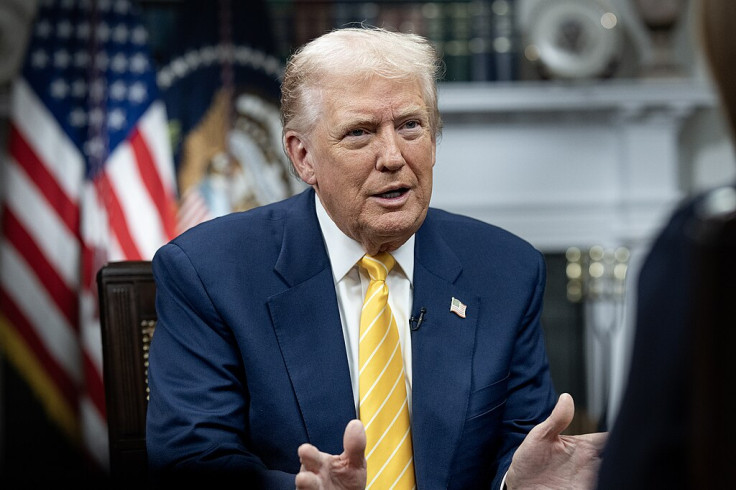
Despite that, the administration appealed, prompting a wave of similar lawsuits from companies now seeking to preserve their right to refunds. Bloomberg lists Costco among the largest firms, alongside smaller businesses, to join this growing challenge.
What's at Risk
Costco's decision to sue reflects not only corporate concern but also the potential impact on pricing, supply chains, and consumer access. In comments tied to the lawsuit, CFO Gary Millerchip stated that although tariffs had raised costs, particularly for imported fresh foods from Latin America, the company tried not to pass those on to customers, especially for staple items.
Insiders note that Costco's US operations lean heavily on imports; one-third of its US sales reportedly involve foreign-sourced goods.
If the court grants refunds, the sum for Costco alone could be substantial, though the company has not publicly disclosed the total amount paid under the tariffs.
Moreover, the case carries broader economic implications. Opinion among business-policy analysts is that reversing the tariffs could save companies billions, but also lead to calls for tighter limits on executive power in trade policy.

The Supreme Court and the Future of Tariff Authority
At the heart of the matter is whether a President may, under IEEPA, impose sweeping import tariffs during a declared 'economic emergency'. In May 2025, the Court of International Trade ruled no, concluding that the President overstepped by using the emergency-powers law to set broad tariff rates.
The court's reasoning hinged on the 'major questions' doctrine, trade and tariff policy constitute major economic decisions that must rest with Congress, not be delegated via vaguely worded statutes such as IEEPA.
However, the administration appealed. The issue is now before the Supreme Court of the United States, which heard arguments on 5 November 2025 in the consolidated cases Learning Resources, Inc. v. Trump and V.O.S. Selections.
During oral arguments, justices from across the ideological spectrum asked pointed questions about whether emergency powers were designed for broad economic policymaking.
If the court strikes down the tariff programme, not only Costco, but dozens of other companies, including manufacturers, supermarkets, and importers, may be eligible for refunds. Several such firms have already filed protective lawsuits.
© Copyright IBTimes 2026. All rights reserved.
- MOST POPULAR IN World