

OpenAI's ChatGPT Ads Push Signals a Major Shift in How People Use AI
A look behind ChatGPT's code shows that there could be ads coming soon to the AI platform.
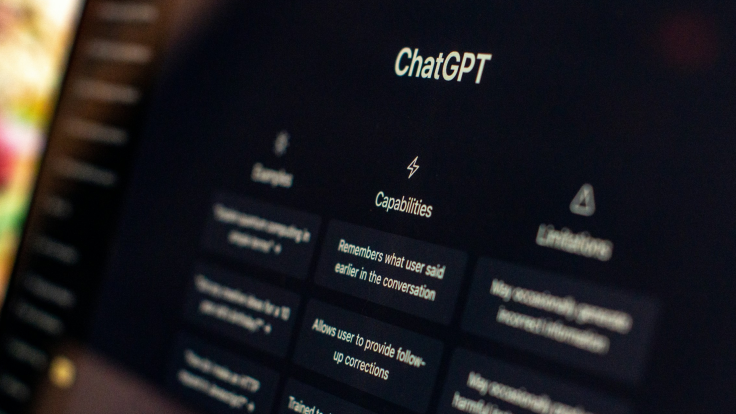
OpenAI appears to be edging closer to a major shift in how ChatGPT works, after new evidence suggested the company is testing adverts inside the app.
The change could reshape how people interact with AI search, and early reactions already point to concerns that the service may start to feel different from the ad-free assistant users are familiar with.
The sighting came from references inside the ChatGPT Android beta, version 1.2025.329. Code strings mentioned an 'ads feature', along with phrases such as 'bazaar content', 'search ad' and 'search ads carousel'.
These indicators were spotted by an X user known as Tibor, who previously surfaced accurate details from earlier OpenAI builds.
ChatGPT Android app 1.2025.329 beta includes new references to an "ads feature" with "bazaar content", "search ad" and "search ads carousel" pic.twitter.com/BdHOJIQHmA
— Tibor Blaho (@btibor91) November 29, 2025
Up to now, ChatGPT has never shown adverts. The service offers paid tiers and advanced models, but the core interface remains free of direct commercial promotion. That stands in contrast to Google Search, which relies heavily on adverts and links commercial partners to search visibility.
OpenAI's plans suggest that the AI assistant could step into that space, bringing digital advertising into conversational search.
Early Signs Point to Search Ads First
The leak suggests that adverts will debut inside ChatGPT's search experience. This would place promotions inside the answer or in a related carousel, similar to search boxes on traditional engines.
It is unclear how visible the placements would be, and whether they would expand to regular conversation later.
Some analysts argue that advert placements in AI search could carry more influence than banner ads or sponsored links. ChatGPT sessions are highly conversational and often goal-driven. If adverts appear inside those flows, they could feel more direct.
Many users have already warned that the shift could produce a noticeably altered atmosphere inside queries that previously felt neutral.
OpenAI has not commented on the leaked strings, but CEO Sam Altman has spoken broadly about ChatGPT and adverts. In several interviews, he said the service would 'try ads at some point' but added that he still has 'no idea' what they will look like. He described adverts as a smaller opportunity compared to other long-term revenue paths.
Altman's Criticism of Google's Ad Model
Altman has repeatedly contrasted ChatGPT with Google Search. In a podcast discussion with economist Tyler Cowen, he argued that Google's advert system depends on results falling short.
He claimed that if Google always showed the best possible answer, there would be fewer reasons for companies to buy sponsored slots. The advert exists because the organic result is weaker. He argues that this puts users and advertisers at cross-purposes.
He said ChatGPT's future ad model should have no impact on ranking or answer quality. If users began to sense that responses were being pushed down the list in favour of paying partners, trust would collapse.
Altman stressed that an AI assistant should never place a worse option above a better one simply because of payment. He said that would be 'catastrophic' for user trust and instantly damage the relationship between the product and its audience.
Altman has floated a possible system. His idea is to give users the best recommendation first. If the user decides to act on it, such as booking a hotel or buying a product through a one-click prompt, OpenAI could earn a small commission. The key point is that the commission would not influence which recommendation comes first.
He mentioned travel as an early candidate. ChatGPT could identify the most suitable hotel based on a user's criteria, present it as the top pick, and then offer an instant booking option. The commission would follow the booking, not the ranking.
OpenAI Plans Ad Strategy, Vows to Preserve User Trust
Altman also made clear that he will not bring pay-to-play links into ChatGPT. Any system that alters ranking based on payment would break the premise of a trusted conversational assistant. He called that form of advert 'really bad' and said the company would avoid it.
Despite all this, Altman said he is not personally working on the advert plan. He noted that another senior leader inside the company now handles product strategy, and he has stepped back from that role. He expressed confidence that the team will develop a model that does not compromise user trust.
For users, the change could give sessions a more commercial feel that were once purely informational. For OpenAI, it marks the first major step into monetising the assistant without altering answer quality. The company has not provided dates or details, but early testing inside the beta suggests that the shift is closer than many expected.
© Copyright IBTimes 2026. All rights reserved.