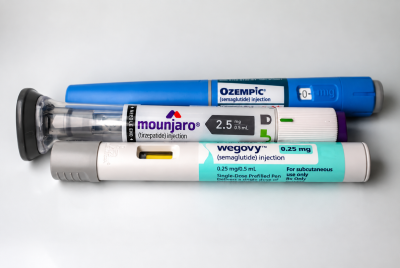
Can Ozempic Cause Blindness? Dozens Sue Over Alleged Link to Rare 'Eye Stroke' Condition
Novo Nordisk has disputed claims that its medicines caused patients to develop NAION
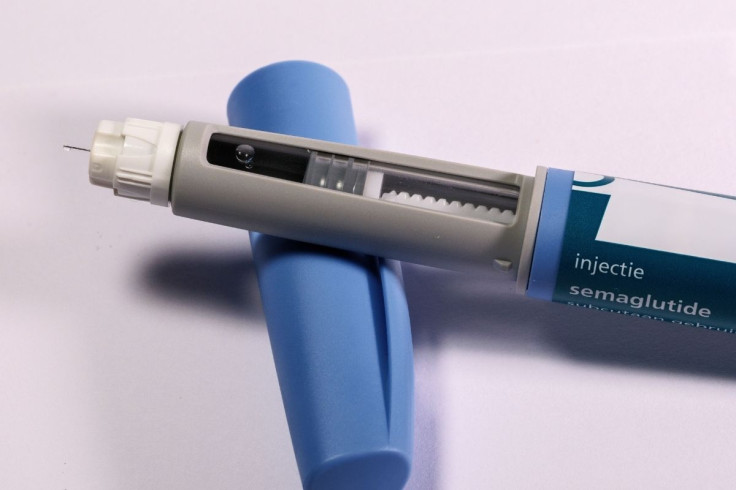
Dozens of US patients are suing the makers of Ozempic and other GLP-1 medicines, claiming the drugs caused a rare 'eye stroke' that resulted in serious or permanent vision loss.
The condition, non-arteritic anterior ischaemic optic neuropathy (NAION), causes damage to the optic nerve when its blood supply is compromised. As litigation continues, UK and European regulators have said that NAION is a very rare possible side effect of the active ingredient in Ozempic and Wegovy, semaglutide.
Can Ozempic Cause Blindness Through NAION?
According to experts, NAION typically causes sudden, painless loss of vision, usually affecting one eye at a time. Damage to the optic nerve can be irreversible.
In February 2026, Britain's Medicines and Healthcare Products Regulatory Agency (MHRA) updated semaglutide product information after reviewing evidence surrounding NAION. It said studies suggest the condition may affect up to one in 10,000 people taking semaglutide.
A European review found semaglutide exposure among adults with type 2 diabetes was associated with approximately twice the relative risk of developing NAION. In absolute terms, the MHRA said that equated to approximately one additional case for every 10,000 people treated each year.
That makes the potential complication serious but extremely rare. The evidence also relates specifically to NAION rather than blindness generally.
Patients Allegedly Suffered Permanent Vision Loss
The emerging litigation centres on claims that manufacturers failed to adequately warn patients and doctors about NAION.
In December 2025, the US Judicial Panel on Multidistrict Litigation created MDL No. 3163, centralising federal NAION cases in the Eastern District of Pennsylvania. The panel said plaintiffs alleged that Ozempic, Wegovy, Saxenda and Trulicity caused NAION and raised common questions surrounding development, testing, regulation and product labelling.
The transfer order covered 21 actions across three federal districts, with another nine related actions already identified at that stage. Further cases have also been pursued outside the federal litigation.
These remain allegations, and establishing that a patient developed NAION after taking a GLP-1 medicine does not by itself establish that the drug caused the condition.
Novo Nordisk, which manufactures Ozempic and Wegovy, has disputed liability. Company-backed research has also challenged a causal relationship, while other studies have reported associations of varying strength.
What Patients Should Know About 'Eye Stroke' Risk
Regulators have nevertheless acted on the potential risk.
The European Medicines Agency concluded in 2025 that NAION should be listed as a 'very rare' side effect of semaglutide medicines after reviewing clinical trials, post-marketing reports and epidemiological research.
The MHRA subsequently introduced equivalent UK guidance. By August 2025, Britain's Yellow Card reporting system had received three spontaneous reports suggestive of NAION associated with semaglutide, against roughly 10.2 million packs dispensed over the preceding five years. Such reports indicate suspected reactions and do not themselves prove causation.
The US Food and Drug Administration has separately listed NAION as a potential safety signal for GLP-1 medicines, including Ozempic, Wegovy, Mounjaro and Zepbound, and is evaluating whether regulatory action is required.
And for patients the advice is simple and immediate. Anyone taking semaglutide who suddenly loses some or all of their vision or experiences a rapid deterioration in eyesight should get to eye casualty or A&E as a matter of urgency, the MHRA said. If NAION is confirmed by an ophthalmologist, discontinue treatment with semaglutide.
© Copyright IBTimes 2026. All rights reserved.
- Recommended For You