

Ozempic Side Effects: What New Research Reveals About the Risks and What Happens When You Stop
Exploring the Benefits, Side Effects, and Long-Term Considerations of Ozempic

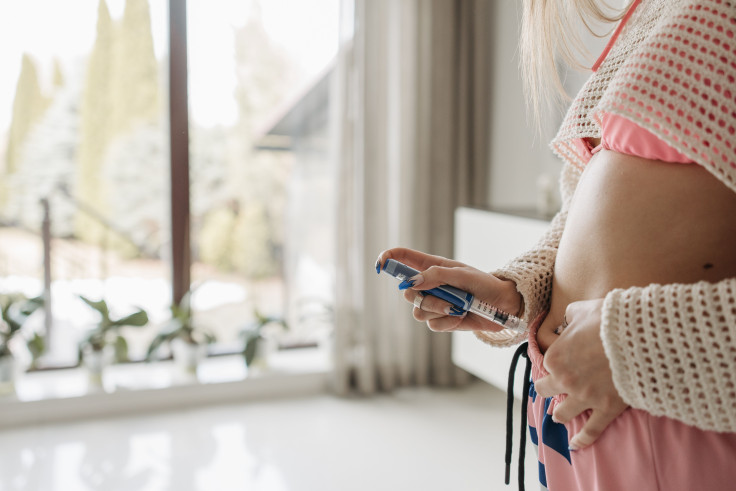
Ozempic has become one of the world's most talked-about medications, helping millions of people manage type 2 diabetes and lose weight. But as its popularity has grown, so have concerns about its potential side effects and what happens after treatment ends.
While many patients experience only mild digestive symptoms, research has identified a small but increased risk of more serious complications, including pancreatitis, bowel obstruction and gastroparesis, often referred to as 'stomach paralysis.' At the same time, studies suggest many people regain much of the weight they lose after stopping the medication, prompting questions about whether Ozempic is best viewed as a long-term treatment rather than a short-term fix.
The Side Effects Driving Concern
Most people taking Ozempic experience mild side effects such as nausea, vomiting, diarrhoea or constipation, particularly during the first weeks of treatment. However, some patients have reported more persistent digestive problems that significantly affect their quality of life.
Research published in JAMA found that people taking semaglutide-based medications for weight loss had a higher risk of pancreatitis, bowel obstruction and gastroparesis compared with people using another weight-loss drug. Although the researchers stressed these complications remain rare and the study does not prove the medication directly caused them, the findings have prompted increased scrutiny of GLP-1 medications.
Gastroparesis has attracted particular attention because Ozempic works by slowing stomach emptying, helping users feel fuller for longer. In rare cases, experts are investigating whether this effect may contribute to prolonged digestive problems in some patients.
Regulators have also expanded safety information. European authorities recently added warnings about a rare eye condition called non-arteritic anterior ischaemic optic neuropathy (NAION), a form of sudden vision loss that has been reported in a small number of patients.
Despite these concerns, obesity specialists emphasise that serious complications remain uncommon and that, for many people, the benefits of treatment outweigh the risks when prescribed appropriately.
What Happens After Stopping Ozempic?
For many patients, the biggest surprise comes after they stop taking Ozempic.
Because semaglutide suppresses appetite and slows stomach emptying, those effects gradually fade once treatment ends. As hunger returns, maintaining the same eating habits often becomes more difficult without continued medical or lifestyle support.
The STEP 1 extension trial, published in Diabetes, Obesity and Metabolism, found that participants regained around two-thirds of the weight they had lost within a year of stopping semaglutide. Researchers also found that many improvements in blood pressure, cholesterol and blood sugar began to reverse after treatment ended.
Doctors say this does not necessarily represent a failure of the medication. Instead, it reflects the fact that obesity is increasingly recognised as a chronic condition requiring long-term management, much like high blood pressure or diabetes.
Significant weight loss can also leave physical changes that do not necessarily reverse if a patient's weight stabilises. Toronto plastic surgeon Dr. Jalil notes that after substantial GLP-1-associated weight loss, some patients are left with persistent skin laxity and changes in body contour, particularly around the abdomen, arms, thighs and face.
'The medication can help reduce body weight, but the skin and underlying tissues do not always contract to the same degree,' Dr. Jalil explains. 'How much laxity remains varies considerably depending on the amount and rate of weight loss, age, skin quality and individual anatomy.'
Some former users, however, say they were surprised by how quickly their appetite returned and how rapidly the weight came back after discontinuing the injections, fuelling debate over whether patients receive enough information before starting treatment.
What Patients Should Know
As Ozempic use continues to expand, medical experts say informed decision-making is essential.
Current evidence suggests the medication can be highly effective for weight loss and diabetes management when used under medical supervision. However, patients should also understand the potential for side effects, the possibility of rare but serious complications and the likelihood that maintaining weight loss after stopping treatment may require ongoing lifestyle changes or continued therapy.
Researchers are continuing to study how best to reduce weight regain after discontinuing GLP-1 medications. Structured exercise programmes, dietary support and behavioural counselling appear to help, although they may not fully replace the appetite-suppressing effects of semaglutide.
For anyone considering Ozempic, specialists recommend discussing both the benefits and the risks with their healthcare provider, including what to expect if treatment eventually comes to an end.
© Copyright IBTimes 2026. All rights reserved.