Here's Why Those GLP-1 Drugs Might Not Be Working For You
Scientists say personalised treatment could improve outcomes, as genetic testing may help identify who will benefit most from these medications.

GLP-1 drugs have become some of the most widely prescribed treatments for Type 2 diabetes and weight management. Yet, despite their popularity, not everyone benefits equally. Recent research shows that a person's genes can affect how well GLP-1 medicines control blood sugar. For some patients, these drugs may not work as expected, and their genetics could be one reason why.
This discovery is reshaping how scientists and clinicians think about personalised medicine. If genetic testing can identify patients less likely to respond, doctors may be able to recommend alternative therapies sooner, saving time and reducing frustration.
Understanding GLP-1 and Its Role
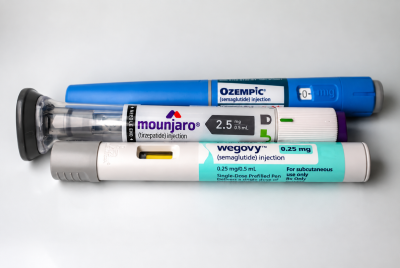
GLP-1, short for glucagon-like peptide-1, is a hormone that helps control blood sugar after eating. It works by helping the body release insulin, slowing down how quickly food leaves the stomach, and reducing appetite. Medicines such as Ozempic and Wegovy copy this hormone to help treat diabetes and support weight loss, often in higher doses for weight management.
These drugs are widely used, with more than a quarter of people with Type 2 diabetes taking them. However, they do not work the same way for everyone. Some people see strong results, while others notice little improvement.
Scientists now think that genetics may explain this difference. Around 10% of people carry certain gene changes that can make these drugs less effective. This condition, known as GLP-1 resistance, means the body has enough of the hormone, but it does not work as well in lowering blood sugar.
The Study and Its Findings
The research was published on 10 April in Genome Medicine, and involved experiments in humans and mice, as well as analysis of data from multiple clinical trials. Lead researcher Anna Gloyn explains that in some trials, patients with certain variants did not lower their blood glucose levels as well after six months of treatment. This suggests that knowing a patient's genetic makeup could help doctors choose the most effective medication sooner.
The study looked at two specific genetic changes that affect an enzyme called PAM. This enzyme helps switch on certain hormones in the body, including GLP-1. It does this through a process that makes the hormone more stable and effective.
Scientists originally thought that if PAM was not working properly, the body would produce less GLP-1, meaning the hormone would be weaker and less active.
Unexpected Results
Researchers found that some people with certain PAM gene changes actually had higher levels of the GLP-1 hormone in their bodies. However, their blood sugar was still not well controlled. This suggests the hormone was not working properly, showing a kind of resistance. Scientists were surprised because higher hormone levels would normally be expected to improve blood sugar control, but that was not the case here.
To better understand this, the team studied mice without the PAM gene and saw similar results. These mice also had high GLP-1 levels but poor blood sugar control, and food moved through their stomachs more quickly than normal. This led researchers to believe the problem is not with how the hormone attaches to cells, but with what happens afterwards, meaning the body is not responding to it as it should.
Implications for Treatment
The results were backed up by clinical trials involving over 1,100 people. Those with the PAM gene changes were less likely to lower their average blood sugar levels (HbA1c). After six months, only about 11.5% of them reached their target, compared to 25% of those without the gene changes. However, other common treatments, such as metformin, worked just as well regardless of a person's genetics.
Researchers say longer-lasting GLP-1 medicines might work differently, but more studies are needed to be sure. There is also not enough information yet on how these genetic differences affect weight loss, so further research will be important.
Future Directions
Scientists still do not fully understand why GLP-1 resistance happens, but they compare it to insulin resistance, which is more familiar. The aim is to develop new medicines that can either get around this problem or make the body respond better to the hormone. Researchers are already exploring treatments that could improve how sensitive the body is to GLP-1 or avoid the issue altogether.
The research was carried out by teams from the UK, Europe, and Australia, with support from major organisations such as Wellcome and the Medical Research Council. As scientists learn more about how genes affect diabetes, there is hope that treatments will become more personalised and better suited to each individual.
© Copyright IBTimes 2026. All rights reserved.
- Recommended For You