Is the UK Preparing for War? Polymarket's Food and Water Stockpile Claim Fact-Checked
Britain is strengthening civil resilience amid growing security concerns
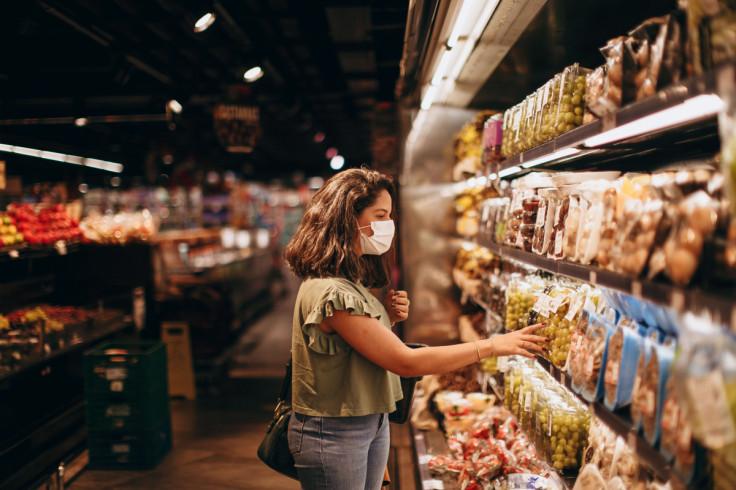
A viral claim that the UK Government has told Britons to stockpile canned food and drinking water because it is preparing for a possible war has spread across social media, fuelled by an 18 September post from the prediction market Polymarket citing the BBC.
According to reports, Britain is strengthening its emergency planning amid heightened security concerns, but there has been no new government order telling households to stockpile specifically for war.
The food-and-water advice is part of broader civil-resilience guidance covering emergencies from power cuts to water outages. So, is Britain preparing for war?
What Did Polymarket Claim About UK War Preparations?
Polymarket posted, 'JUST IN: UK government urges citizens to stockpile canned food & drinking water as it prepares for possible war. — BBC.'
The wording originated from a BBC analysis published on 17 September by special correspondent Allan Little, titled 'War may be coming. Are we psychologically ready?' Little examined whether Britain was psychologically and practically prepared for severe disruption and discussed government efforts to improve civic resilience.
That analysis connected household preparedness with the wider security debate. It did not report the introduction of an emergency wartime stockpiling directive.
Polymarket subsequently highlighted a prediction-market contract giving a low probability of NATO's Article 5 being invoked this year. That figure represents traders' bets on the platform, not an assessment by the British Government, NATO or defence officials.
What Has the UK Gov Actually Told Britons to Stockpile?
The food and water recommendation itself is genuine.
The government's official Prepare website advises households to consider keeping an emergency kit containing bottled water and non-perishable food that does not require cooking, including ready-to-eat tinned meat, fruit or vegetables.
It cites World Health Organisation guidance recommending a minimum of 2.5 to three litres of drinking water per person each day for survival, while 10 litres provides additional water for basic cooking and hygiene.
Other recommended supplies include a torch, portable power bank, battery or wind-up radio, first-aid equipment, medication, spare batteries and hygiene products.
Crucially, the government does not describe this as a war-only kit. Its Prepare guidance covers disruption, including floods, storms, power failures and water-supply problems. Separate official advice for power cuts similarly recommends bottled water and non-perishable food.
Why Is Britain Talking More About National Resilience?
The viral post nevertheless comes against a more serious security backdrop.
Britain's defence leadership has increasingly discussed Russia, cyber attacks, sabotage and the possibility of prolonged disruption. BBC reporting has also described work to update national contingency planning, sometimes referred to as the government's 'war book'.
Those developments help explain why emergency preparedness is receiving renewed attention, but they do not turn existing household advice into evidence that conventional war on British soil is imminent.
As a result, the Polymarket claim contains a genuine fact wrapped in a misleading conclusion. Britons are advised to keep basic food and water on hand in case of an emergency, while the government works to strengthen national resilience. However, they have not been ordered to stockpile food and water because Britain is preparing for an impending war.
© Copyright IBTimes 2026. All rights reserved.
- Recommended For You